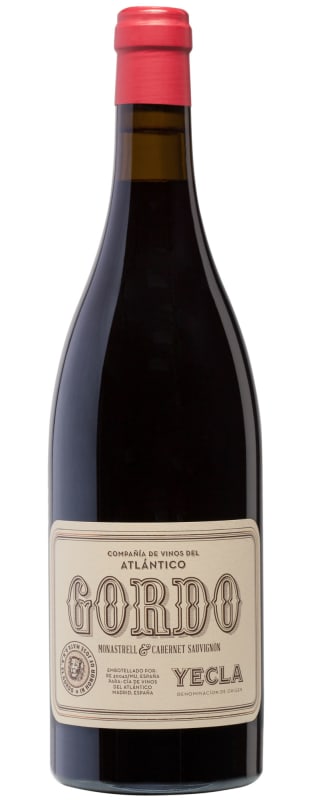


Winemaker Notes
The wine has notes of thyme and rosemary, classical tree bark notes, and a touch of herbal freshness within the ripe character of the year. The palate is juicy and approachable, with round tannins and very good balance.
Try Gordo with blue cheese, stews, spicy chili, and similar hearty dishes. This wine has the heft on the palate and spice to pair well with BBQ with serious heat.
Professional Ratings
-
James Suckling
Notes of dark cherries, mulberries, dried herbs and baking spices. Medium-bodied with fine, firm tannins and fresh acidity. Fleshy black cherries and blue fruit on the palate with a fruit-forward, spicy finish. Drink or hold.


With hundreds of red grape varieties to choose from, winemakers have the freedom to create a virtually endless assortment of blended red wines. In many European regions, strict laws are in place determining the set of varieties that may be used, but in the New World, experimentation is permitted and encouraged resulting in a wide variety of red wine styles. Blending can be utilized to enhance balance or create complexity, lending different layers of flavors and aromas. For example, a red wine blend variety that creates a fruity and full-bodied wine would do well combined with one that is naturally high in acidity and tannins. Sometimes small amounts of a particular variety are added to boost color or aromatics. Blending can take place before or after fermentation, with the latter, more popular option giving more control to the winemaker over the final qualities of the wine.
How to Serve Red Wine
A common piece of advice is to serve red wine at “room temperature,” but this suggestion is imprecise. After all, room temperature in January is likely to be quite different than in August, even considering the possible effect of central heating and air conditioning systems. The proper temperature to aim for is 55° F to 60° F for lighter-bodied reds and 60° F to 65° F for fuller-bodied wines.
How Long Does Red Wine Last?
Once opened and re-corked, a bottle stored in a cool, dark environment (like your fridge) will stay fresh and nicely drinkable for a day or two. There are products available that can extend that period by a couple of days. As for unopened bottles, optimal storage means keeping them on their sides in a moderately humid environment at about 57° F. Red wines stored in this manner will stay good – and possibly improve – for anywhere from one year to multiple decades. Assessing how long to hold on to a bottle is a complicated science. If you are planning long-term storage of your reds, seek the advice of a wine professional.

The Yecla DO sits between Jumilla and Alicante, near the Mediterranean coast of southeastern Spain and was granted official DO status in 1975. While once just a farming town, and later known as a furniture-making center, more recently, it is gaining notoriety for its red wine production.
A slow revolution in winemaking technology in Yecla since the 1980s, pioneered by small private wineries and cooperatives, has improved the quality of the region's red wines. The number of vineyards registered with the Regulatory Council is presently at about 6,000 hectares, and is still gradually increasing, a good indication that local producers are focused on quality. There are no official subregions, but the Campo Arriba district is well-known for producing grapes with more intensity and extract.
While Yecla produces a variety of wine styles, most are red wines based on single-varietal Monastrell or blends with other approved varieties such as Syrah, Merlot and Petit Verdot.
Yecla is already proving great export potential with about 95% of its production sold outside Spain, in over 40 countries worldwide.