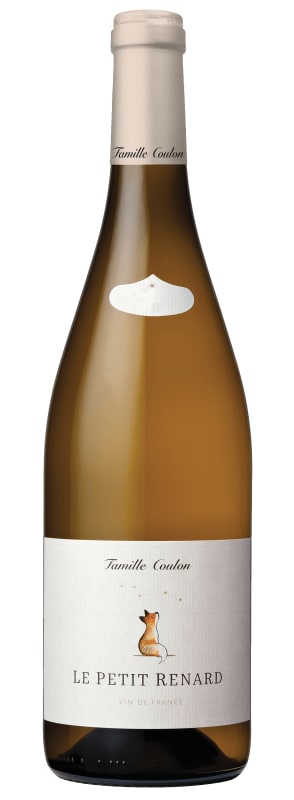


Winemaker Notes
Pure and energetic wine, achieving our goal of lightness and freshness while remaining firmly rooted in the region’s bright fruits, such as peaches and apricots, with a velvety texture.
Professional Ratings
-
Wine Spectator
A juicy, solid, delicious white, showing star fruit and nectarine notes flanked by wet stone and dried herb accents. Ripe pleasure and savory highlights make this balanced, spicy and bright. Roussanne, Grenache Blanc, Viognier, Marsanne and Vermentino. Drink now. 1,250 cases made, 250 cases imported.


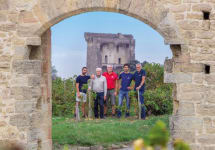
The Coulons have estate-bottled their wines since the early 1900’s. Paul Coulon's father and grandfather were instrumental in creating the regulations of the Appellation Contrôlée system (Chateauneuf du Pape was France's first appellation contrôlée, in 1929). Detail oriented, meticulous to the point of perfectionism, visitors can peruse not only the informative Musée du Vin below their Rasteau vineyard, but detailed volumes for each vintage with ground temperatures, rainfall, hours of sunlight, etc.
Domaine de Beaurenard portfolio includes: Cotes du Rhone Rouge & Rose, Cotes du Rhone Villages Rasteau, Chateauneuf du Pape Rouge & Blanc and Chateauneuf du Pape Cuvee Boisrenard which is consistently one of Robert Parker and Stephen Tanzer's most highly rated Rhone wines.

Full-bodied and flavorful, white Rhône blends originate from France’s Rhône Valley. Today these blends are also becoming popular in other regions. Typically some combination of Grenache Blanc, Marsanne, Roussanne and Viognier form the basis of a white Rhône blend with varying degrees of flexibility depending on the exact appellation. Somm Secret—In the Northern Rhône, blends of Marsanne and Roussanne are common but the south retains more variety. Marsanne, Roussanne as well as Bourboulenc, Clairette, Picpoul and Ugni Blanc are typical.

A small category representing the wines that either fall outside of appellation lines or don’t subscribe to the law and traditions set forth by the French government within certain classified appellations, “Vin De France” is a catch-all that includes some of the most basic French wines as well as those of superior quality. The category includes large production, value-driven wines. It also includes some that were made with a great deal of creativity, diligence and talent by those who desire to make wine outside of governmental restrictions. These used to be called Vin de Table (table wine) but were renamed to compete with other European countries' wines of similar quality.