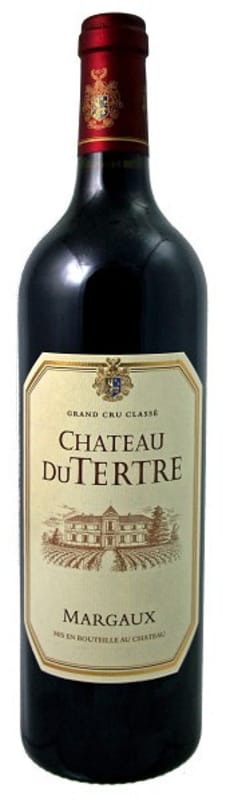


Winemaker Notes
Blend: 75% Cabernet Sauvignon, 10% Merlot, 10% Cabernet Franc, 5% Petit Verdot
Professional Ratings
-
James Suckling
Extremely deep and ripe on the nose with dried-berry, chocolate and plum aromas that follow through to a full body, round and soft tannins and a flavorful finish. A rich and soft-tannin structure to the wine. Try after 2024.
-
Wine Enthusiast
Partnered with Château Giscours as far as the winemaking team is concerned, this estate has created its own style. This wine shows a hint of initial austerity before opening out with rich fruits and structure. It needs time and the wine will not be ready to drink before 2025.
-
Wine Spectator
Fresh damson plum, bitter cherry and savory notes are seamlessly layered together, with fresh tobacco and a flash of iron checking in on the pure, silky, persistent finish, where the slightly high-pitched fruit plays out nicely. Best from 2021 through 2032.
-
Decanter
Powerful, intense and concentrated, those tannins are big in quantity and quality. This is a sombre, intellectual wine in the way that many 2016s are. It has a good texture of silky black fruits through the palate, suggesting this will age well, while a white pepper crescendo gives a spicy kick on the finish. 5% Petit Verdot completes the blend, with the wine aged in 50% new oak.
-
Jeb Dunnuck
An outstanding Margaux with its classic perfume of sweet red fruits, dried flowers, balsam wood, and spice, the 2016 Château du Tertre is medium-bodied, elegant, and seamless on the palate. This is one of those wines that grows on you with time in the glass, and while it plays in the elegant, pretty end of the spectrum, it has wonderful fruit. It should keep nicely for 15 years or so.
-
Robert Parker's Wine Advocate
Medium to deep garnet-purple colored, the 2016 du Tertre features cassis, red plums and spice box on the nose with herbs and earth nuances. The palate is medium-bodied, lean and soft with an earthy finish.


One of the world’s most classic and popular styles of red wine, Bordeaux-inspired blends have spread from their homeland in France to nearly every corner of the New World. Typically based on either Cabernet Sauvignon or Merlot and supported by Cabernet Franc, Malbec and Petit Verdot, the best of these are densely hued, fragrant, full of fruit and boast a structure that begs for cellar time. Somm Secret—Blends from Bordeaux are generally earthier compared to those from the New World, which tend to be fruit-dominant.

Silky, seductive and polished are the words that characterize the best wines from Margaux, the most inland appellation of the Médoc on the Left Bank of Bordeaux.
Margaux’s gravel soils are the thinnest of the Médoc, making them most penetrable by vine roots—some reaching down over 23 feet for water. The best sites are said to be on gentle outcrops, or croupes, where more gravel facilitates good drainage.
The Left Bank of Bordeaux subscribes to an arguably outdated method of classification but it is nonetheless important in regards to history of the area. In 1855 the finest chateaux were deemed on the basis of reputation and trading price—at that time. In 1855, Chateau Margaux achieved first growth status, yet it has been Chateau Palmer (officially third growth from the 1855 classification) that has consistently outperformed others throughout the 20th century.
Chateau Margaux in top vintages is capable of producing red Cabernet Sauvignon based wines described as pure, intense, spell-binding, refined and profound with flavors and aromas of black currant, violets, roses, orange peel, black tea and incense.
Other top producers worthy of noting include Chateau Rauzan-Ségla, Lascombes, Brane-Cantenac, and d’Issan, among others.
The best wines of Margaux combine a deep ruby color with a polished structure, concentration and an unrivaled elegance.