


Winemaker Notes
Black and red fruit on the nose with cherry, bell pepper, and subtle hints of coffee from the barrel fully integrated. In the mouth, it is wide and exhibits good complexity and round tannins. It is an elegant and robust wine with a long finish.
Pair with a juicy steak or pasta bolognese.
Professional Ratings
-
James Suckling
A full-bodied and structured cabernet sauvignon with sweet spices, black olives and some red chili pepper to the cassis and blackberries. Plenty of dusty, fine-grained tannins on the palate followed by a tightly wound finish with excellent length.
-
Vinous
The 2020 Cabernet Sauvignon Single Vineyard Owen, from Agrelo, Luján de Cuyo, is a third barrel-fermented, but 100% was aged in varied-use barrels. The nose presents dark and red fruit notes alongside blackcurrant, blackberry, pepper and ash hints. Intense and plush with fruity flavor and a layer of pyrazines, the palate is compact with slightly reactive tannins but develops good depth. A very interesting, Napa Valley-style wine with the twist of a fruity finish.
-
Wine Enthusiast
Oak flavors are well-integrated into this Cabernet Sauvignon from the winery's old vineyard in Luján de Cuyo. It's balanced and soft in texture, with concentrated black-fruit flavors and oak spices in the background. Nice acidity adds freshness, making this an enjoyable red.
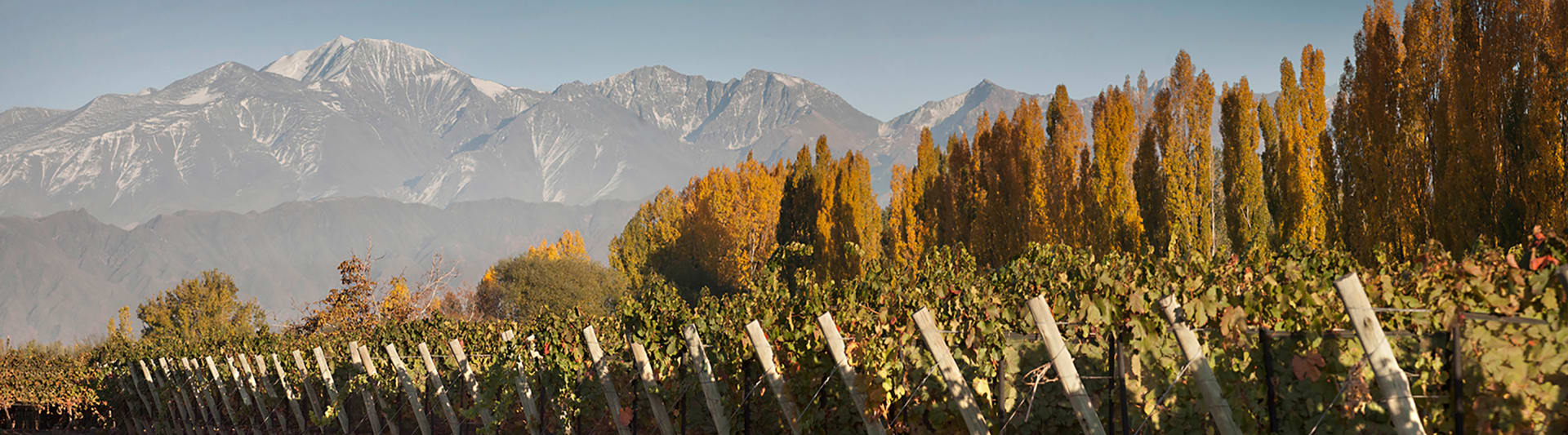


Casarena is forging a different path from the other wineries in Mendoza. Instead of searching for undiscovered terroirs in new places like the Uco Valley, it is discovering the hidden gems in its home region of Lujan de Cuyo—a place full of rich tradition, potential, and unique micro-terroirs. Casarena has purchased as well as planted vineyards in several distinctive sites, and they control all aspects of winegrowing and winemaking in order to maximize the flavor expression of these terroirs.
The name "Casarena" is a creative merging of the Spanish words "casa" (house) and "arena (sand), and is a tribute to their restored 1930s winery made of sand-colored stone and the sandy soil that their estate is built on. All theses features gather together unbeatable height, climate and soil conditions to cultivate premium vineyards. The Wine Making team is headed by Michel Rolland.

A noble variety bestowed with both power and concentration, Cabernet Sauvignon enjoys success all over the globe, its best examples showing potential to age beautifully for decades. Cabernet Sauvignon flourishes in Bordeaux's Medoc where it is often blended with Merlot and smaller amounts of some combination of Cabernet Franc, Malbecand Petit Verdot. In the Napa Valley, ‘Cab’ is responsible for some of the world’s most prestigious, age-worthy and sought-after “cult” wines. Somm Secret—DNA profiling in 1997 revealed that Cabernet Sauvignon was born from a spontaneous crossing of Cabernet Franc and Sauvignon Blanc in 17th century southwest France.

By far the largest and best-known winemaking province in Argentina, Mendoza is responsible for over 70% of the country’s enological output. Set in the eastern foothills of the Andes Mountains, the climate is dry and continental, presenting relatively few challenges for viticulturists during the growing season. Mendoza, divided into several distinctive sub-regions, including Luján de Cuyo and the Uco Valley, is the source of some of the country’s finest wines.
For many wine lovers, Mendoza is practically synonymous with Malbec. Originally a Bordelaise variety brought to Argentina by the French in the mid-1800s, here it found success and renown that it never knew in its homeland where a finicky climate gives mixed results. Cabernet Sauvignon, Syrah, Merlot and Pinot Noir are all widely planted here as well (and sometimes even blended with each other or Malbec). Mendoza's main white varieties include Chardonnay, Torrontés, Sauvignon Blanc and Sémillon.