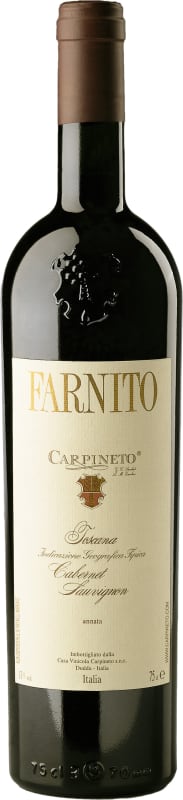


Winemaker Notes
Professional Ratings
-
Wine Spectator
This red is reminiscent of a good Bordeaux, featuring flavors of plum, black currant, cedar, iron and toasty oak. A flash of Mediterranean herbs places it in Tuscany, with tobacco and sweet spices gracing the long aftertaste. Drink now through 2036.
-
Wine Enthusiast
The nose is both earthy, with aromas of tar, stone and soil, and warm, with notes of dried fruit and a splash of balsamic. The palate is powerfully saline but also preserves the earth tones, like a meadow atop a hill by the seaside. Acrobatic tannins wriggle through an ocean of acid.
-
James Suckling
Tobacco, cocoa and redcurrants on the nose. Some orange peel and dried herb, too. It’s medium-bodied with fresh acidity and still firm tannins. Nicely balanced. Drink now or hold.


Legendary in Italy for its Renaissance art and striking landscape, Tuscany is also home to many of the country’s best red wines. Sangiovese reigns supreme here, as either the single varietal, or a dominant player, in almost all of Tuscany’s best.
A remarkable Chianti, named for its region of origin, will have a bright acidity, supple tannins and plenty of cherry fruit character. From the hills and valleys surrounding the medieval village of Montalcino, come the distinguished and age-worthy wines based on Brunello (Sangiovese). Earning global acclaim since the 1970s, the Tuscan Blends are composed solely of international grape varieties or a mix of international and Sangiovese. The wine called Vine Nobile di Montepulciano, composed of Prognolo Gentile (Sangiovese) and is recognized both for finesse and power.