


Winemaker Notes
Brilliant pale yellow with green nuances. Green apple and white peach combine with fine nuances of lemon balm and mint to create the typical aroma of the classic Terlano. Peach is very strong on the palate, too, lending the Terlano its lively character. The multifaceted, well structured flavor derives from an interplay of freshness and minerality and also has a wonderfully persistent finish.
Blend: 60% Pinot Bianco, 30% Chardonnay, 10% Sauvignon Blanc
Professional Ratings
-
James Suckling
Showing apricots, peaches and sage, this is layered and savory. On the palate, it’s vibrant and refined with silky texture, crisp acidity and a long finish. From organically and biodynamically grown grapes with Demeter certification.
-
Decanter
This wine is the classic mix of 60% Pinot Bianco, 30% Chardonnay and 10% Sauvignon Blanc. It sees mainly stainless steel, with around 20% aged on the fine lees in large oak. Broad and energetic, there's so much going on. The Sauvignon is up front but the lurking richness of the other two grapes back it up, especially the floral tones of the Pinot Bianco. Ripe, round and full, with lush, broad and surprisingly developed fruit flavours. Great length.
-
Robert Parker's Wine Advocate
The 2024 Alto Adige Terlaner Cuvée draws its fruit from steep slopes that capture the most sunlight hours. This blend has been produced for more than a century (since 1893). There is fragrant lift from the Sauvignon Blanc, but you also get mineral freshness and zest from the other two grapes. It offers a pretty silky texture for near-term drinking.
-
Wine Spectator
A bright, graceful wine, with flavors of nectarine, yellow peach, orchard blossoms, lime pith and green almond, plus a touch of passion fruit coulis, dancing across the palate, all buoyed by mouthwatering acidity. Lasting and sleek on the finish, echoing mineral and spice accents. Pinot Bianco, Chardonnay and Sauvignon. Drink now through 2034.
-
Vinous
The 2024 Terlaner Cuvée is understated in the glass, wafting up with notes of sliced pear, white flowers and raw almonds. It balances zesty acidity with mineral-infused pit fruits and spice over a wave of silken textures. This echoes with inner florals as a subtle citrus twang adds dimension and a hint of green melon fades.

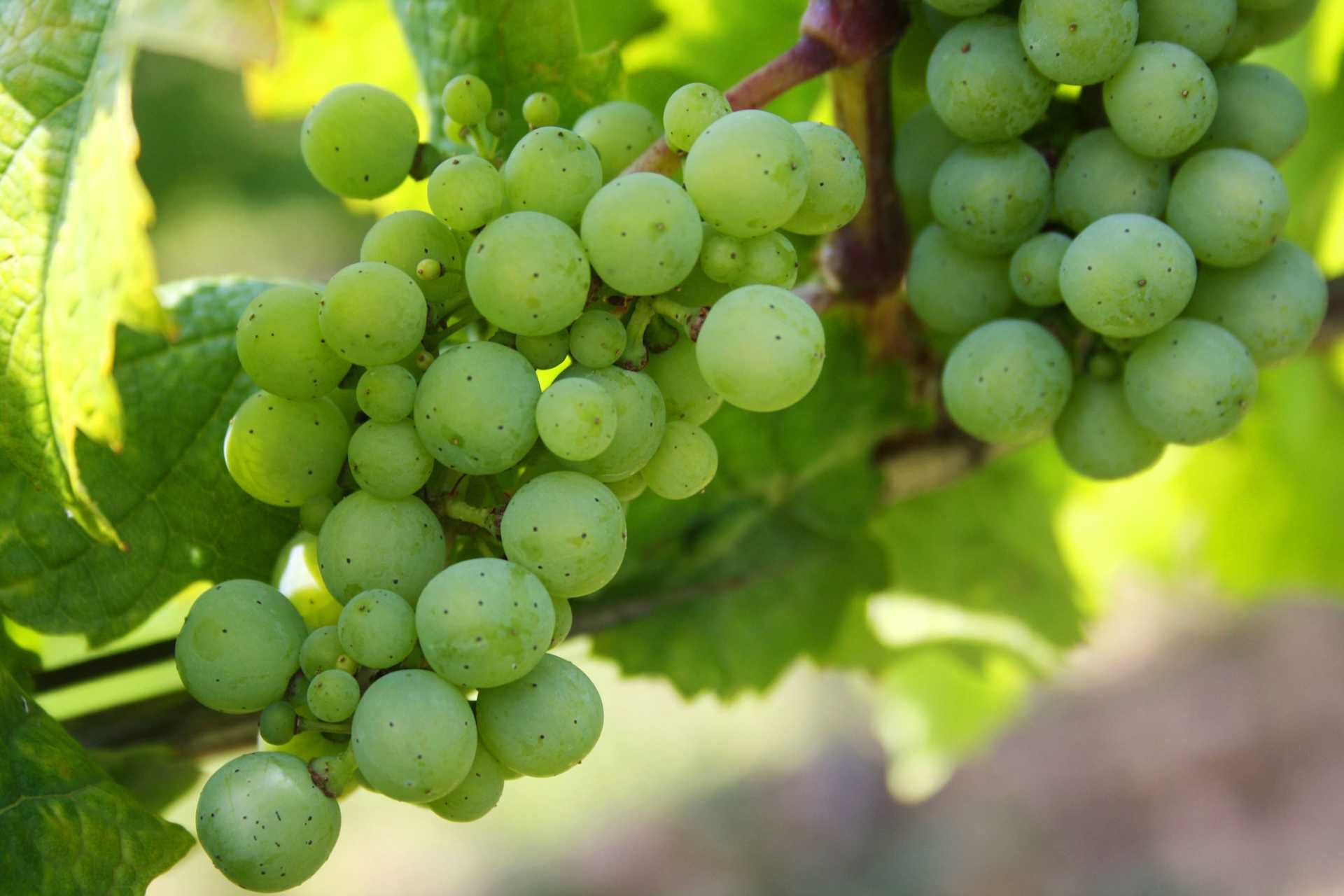
With hundreds of white grape varieties to choose from, winemakers have the freedom to create a virtually endless assortment of blended white wines. In many European regions, strict laws are in place determining the set of varieties that may be used in white wine blends, but in the New World, experimentation is permitted and encouraged. Blending can be utilized to enhance balance or create complexity, lending different layers of flavors and aromas. For example, a variety that creates a soft and full-bodied white wine blend, like Chardonnay, would do well combined with one that is more fragrant and naturally high in acidity. Sometimes small amounts of a particular variety are added to boost color or aromatics. Blending can take place before or after fermentation, with the latter, more popular option giving more control to the winemaker over the final qualities of the wine.
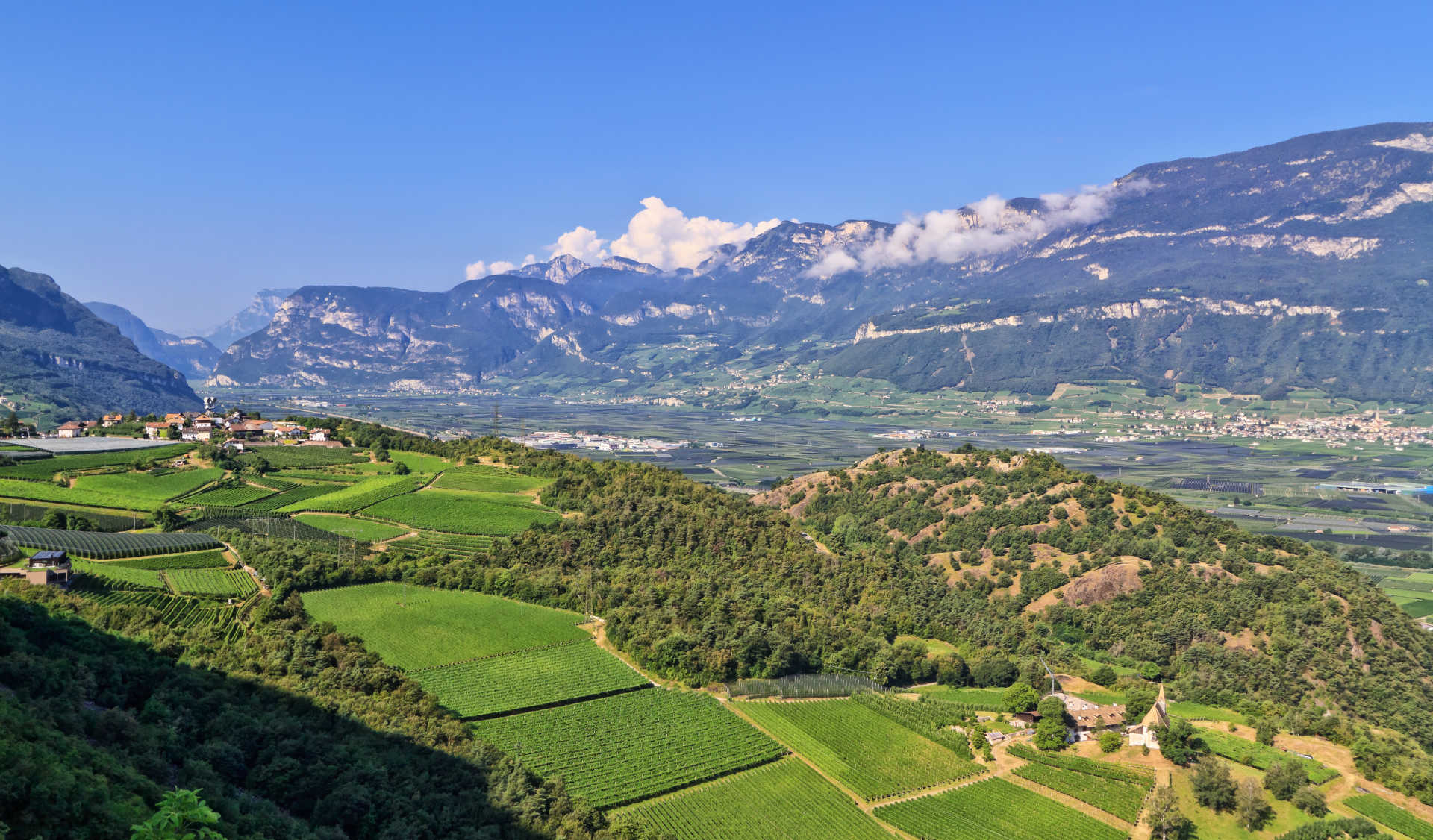
A mountainous northern Italian region heavily influenced by German culture, Trentino-Alto Adige is actually made up of two separate but similar regions: Alto Adige and Trentino.
Trentino, the southern half, is primarily Italian-speaking and largely responsible for the production of non-native, international grapes. There is a significant quantity of Chardonnay, Pinot Grigio and Merlot produced. But Trentino's native and most unique red variety, Teroldego, while still rare, is gaining popularity. It produces a deeply colored red wine rich in wild blackberry, herb, coffee and cocoa.
The rugged terrain of German-speaking Alto Adige (also referred to as Südtirol) focuses on small-scale viticulture, with great value placed on local varieties—though international varieties have been widely planted since the 1800s. Sheltered by the Alps from harsh northerly winds, many of the best vineyards are at extreme altitude but on steep slopes to increase sunlight exposure.
Dominant red varieties include the bold, herbaceous Lagrein and delicate, strawberry-kissed, Schiava, in addition to some Pinot Nero.
The primary white grapes are Pinot grigio, Gewürztraminer, Chardonnay and Pinot blanc, as well as smaller plantings of Sauvignon blanc, Müller Thurgau. These tend to be bright and refreshing with crisp acidity and just the right amount of texture. Some of the highest quality Pinot grigio in Italy is made here.