

Winemaker Notes
Professional Ratings
-
Wine & Spirits
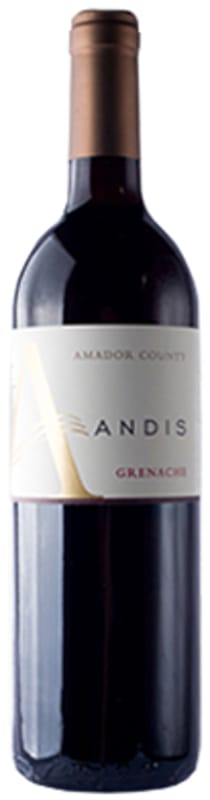
From a head-trained, south-facing parcel of grenache planted in 1978, this pretty red is light and translucent, scented with strawberries and bitter chocolate. The plush middle is juicy and fresh, with a lean, bony energy that calls for smoked pork.


Grenache thrives in any warm, Mediterranean climate where ample sunlight allows its clusters to achieve full phenolic ripeness. While Grenache's birthplace is Spain (there called Garnacha), today it is more recognized as the key player in the red blends of the Southern Rhône, namely Châteauneuf-du-Pape, Côtes du Rhône and its villages. Somm Secret—The Italian island of Sardinia produces bold, rustic, single varietal Grenache (there called Cannonau). California, Washington and Australia have achieved found success with Grenache, both flying solo and in blends.

As the lower part of the greater Sierra Foothills appellation, Amador is roughly a plateau whose vineyards grow at 1,200 to 2,000 feet in elevation. It is 100 miles east of both San Francisco and Napa Valley. Most of its wineries are in the oak-studded rolling hillsides of Shenandoah Valley or east in Fiddletown, where elevations are slightly higher.
The Sierra Foothills growing area was among the largest wine producers in the state during the gold rush of the late 1800s. The local wine industry enjoyed great success until just after the turn of the century when fortune-seekers moved elsewhere and its population diminished. With Prohibition, winemaking was totally abandoned, along with its vineyards. But some of these, especially Zinfandel, still remain and are the treasure chest of the Sierra Foothills as we know them.
Most Amador vines are planted in volcanic soils derived primarily from sandy clay loam and decomposed granite. Summer days are hot but nighttime temperatures typically drop 30 degrees and the humidity is low, making this an ideal environment for grape growing. Because there is adequate rain throughout the year and even snow in the winter, dry farming is possible.