


Winemaker Notes
A wine and food lover's delight, Querciabella’s Chianti Classico represents the pinnacle of high-altitude, perfectly exposed Sangiovese fruit. A balancing act of crisp, inviting acidity, pure varietal fruit flavor and character deriving from sourcing the grapes from top sites in three of Chianti’s best sub-zones: Greve, Radda, and Gaiole.
Enjoyable now with classic Tuscan dishes as well as fish and sashimi.
Professional Ratings
-
Jeb Dunnuck
A saturated purple/magenta hue, the 2021 Chianti Classico is lush and fresh with aromas of black raspberry, black cherry, violet, and fresh leather. Plush and inviting, with bright acidity along the sides of the palate shining through, it offers a velvety texture with a long finish. It’s polished but not oaky and has a very refined feel, with medium to full body and a long and balanced finish. Drink 2026-2040.
-
James Suckling
This has a fresh character with ripe cherries and raspberries as well as dried flowers, bark and stones. Polished and textural with a medium body and vivid acidity. Focused and fresh with chalky tannin structure and a linear finish with notes of citrus and minerals. From organically grown grapes. Drink or hold.
-
Vinous
The 2021 Chianti Classico is fabulous. Bright and punchy, with terrific resonance, this wine shows just how compelling the vintage is. Readers will find a Chianti Classico of dynamic energy and volume. Dark red cherry, purplish fruit, lavender, rose petal, spice and a gentle kiss of French oak build into the sumptuous, vibrant finish. Superb. The 2021 was aged in 500-liter barrels (5-6% new) for 14 months and is a blend of fruit from Greve, Gaiole and Radda.
-
Wine Spectator
This red is precise, offering cherry, raspberry, rose, iron and tobacco flavors fused to a steely, dense and vibrant structure. Balanced and intense, building to a long aftertaste infused with fruit and mineral notes. Best from 2026 through 2045.



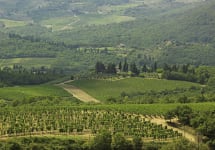
Founded in 1974, Querciabella enjoys the acclaim of the world’s most discriminating critics and consumers for wines such as Camartina, Batàr, Palafreno and Querciabella Chianti Classico. In its uncompromising pursuit of quality, sustainability and authenticity, Querciabella has continually honed its approach to biodynamic viticulture for over a decade. With vineyards located throughout Tuscany’s Chianti Classico and Maremma areas, Querciabella exemplifies the mindful preservation of tradition through forward-thinking, albeit completely natural, winemaking.
With 183 acres of prime Chianti Classico vineyards – located in the municipalities of Greve, Panzano, Radda and Gaiole – in addition to 79 acres in Maremma on Tuscany’s unspoiled Etruscan coast, Querciabella’s holdings represent the largest extensions of biodynamically farmed (certified organic) vineyards in Italy, contributing extraordinary biodiversity to local and surrounding ecosystems and serving as a sanctuary for thriving numbers of honeybee colonies.

Among Italy's elite red grape varieties, Sangiovese has the perfect intersection of bright red fruit and savory earthiness and is responsible for the best red wines of Tuscany. While it is best known as the chief component of Chianti, it is also the main grape in Vino Nobile di Montepulciano and reaches the height of its power and intensity in the complex, long-lived Brunello di Montalcino. Somm Secret—Sangiovese doubles under the alias, Nielluccio, on the French island of Corsica where it produces distinctly floral and refreshing reds and rosés.

One of the first wine regions anywhere to be officially recognized and delimited, Chianti Classico is today what was originally defined simply as Chianti. Already identified by the early 18th century as a superior zone, the official name of Chianti was proclaimed upon the area surrounding the townships of Castellina, Radda and Gaiole, just north of Siena, by Cosimo III, Grand Duke of Tuscany in an official decree in 1716.
However, by the 1930s the Italian government had appended this historic zone with additonal land in order to capitalize on the Chianti name. It wasn’t until 1996 that Chianti Classico became autonomous once again when the government granted a separate DOCG (Denominazione di Origine Controllata e Garantita) to its borders. Ever since, Chianti Classico considers itself no longer a subzone of Chianti.
Many Classicos are today made of 100% Sangiovese but can include up to 20% of other approved varieties grown within the Classico borders. The best Classicos will have a bright acidity, supple tannins and be full-bodied with plenty of ripe fruit (plums, black cherry, blackberry). Also common among the best Classicos are expressive notes of cedar, dried herbs, fennel, balsamic or tobacco.