


Winemaker Notes
Garzón Balasto is a richly spiced wine with aromas of fresh red and black fruit, licorice, graphite, and a hint of tobacco. The palate is vibrant and full-bodied, with juicy tannins and subtle minerality that give way to a long, textural finish.
Garzón Balasto, with its robust character and rich flavors, is an ideal companion for a variety of dishes. It pairs beautifully with grilled meat, juicy roasts, and rich stews.
Blend: 45% Tannat, 35% Petit Verdot, 20% Cabernet Franc
Professional Ratings
-
James Suckling
This has an exuberant, concentrated nose of blackberries, crunchy elderberries and dried herbs such as thyme—a complex and expressive aromatic profile. The palate is medium- to full-bodied, with a solid core of dark fruit that remains composed and elegant, supported by depth and fine-grained tannins.
-
Vinous
The 2022 Balasto is from Maldonado. Its name references the region’s decomposed rocky soils. With red fruit notes of plum, cassis, currant and a light floral trace, it also shows a touch of oak in the background. On the palate, it offers a potent, juicy freshness, light tannins and a curious spritz.
-
Wine Spectator
An engaging red, featuring a subtle floral detail up front that mingles with plum paste and graphite. Shows good concentration, yet there’s a sense of refinement and purity, with blackberry, cassis and herb shadings at the core, plus minerally acidity that lends freshness. Everything culminates around edgy but well-integrated tannins, and there’s a balsamic twinge to the finish. A year or two wouldn’t hurt in letting this settle in. Tannat, Cabernet Franc and Petit Verdot. Best from 2026 through 2038.


With hundreds of red grape varieties to choose from, winemakers have the freedom to create a virtually endless assortment of blended red wines. In many European regions, strict laws are in place determining the set of varieties that may be used, but in the New World, experimentation is permitted and encouraged resulting in a wide variety of red wine styles. Blending can be utilized to enhance balance or create complexity, lending different layers of flavors and aromas. For example, a red wine blend variety that creates a fruity and full-bodied wine would do well combined with one that is naturally high in acidity and tannins. Sometimes small amounts of a particular variety are added to boost color or aromatics. Blending can take place before or after fermentation, with the latter, more popular option giving more control to the winemaker over the final qualities of the wine.
How to Serve Red Wine
A common piece of advice is to serve red wine at “room temperature,” but this suggestion is imprecise. After all, room temperature in January is likely to be quite different than in August, even considering the possible effect of central heating and air conditioning systems. The proper temperature to aim for is 55° F to 60° F for lighter-bodied reds and 60° F to 65° F for fuller-bodied wines.
How Long Does Red Wine Last?
Once opened and re-corked, a bottle stored in a cool, dark environment (like your fridge) will stay fresh and nicely drinkable for a day or two. There are products available that can extend that period by a couple of days. As for unopened bottles, optimal storage means keeping them on their sides in a moderately humid environment at about 57° F. Red wines stored in this manner will stay good – and possibly improve – for anywhere from one year to multiple decades. Assessing how long to hold on to a bottle is a complicated science. If you are planning long-term storage of your reds, seek the advice of a wine professional.
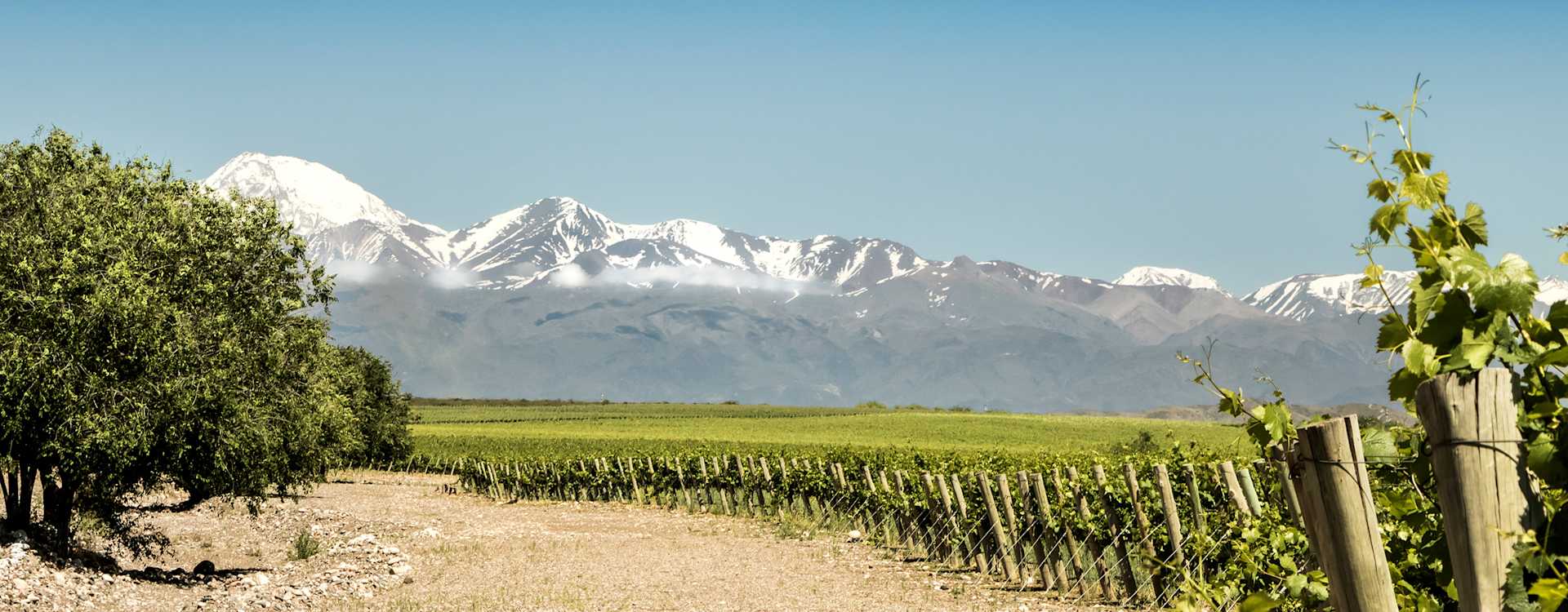
Considered one of the most environmentally sustainable countries in the world, Uruguay is also the fourth largest wine producing country in South America. But in contrast to its neighbors (Chile, Argentina and even Brazil) Uruguay keeps more in step with its European progenitors where land small holdings are most common. Most Uruguayan farms are tiny (averaging only about five hectares) and family-run, many dating back multiple generations. At this size, growers either make small amounts of wine for local consumption or sell grapes to a nearby winery. In all of Uruguay there are close to 3,500 growers but fewer than 300 wineries.
On these small plots of land, manual tending and harvesting, as well as low yields are favored; this small agricultural country has never had a need for large-scale chemical fertilizers or insecticides. Their thriving meat industry also follows the same standards: hormones have been banned since 1968 and today all Uruguayan beef is organic and grass-fed.
Uruguay’s best vineyards are on the Atlantic coast, in Canelones and Maldonado (where cooling breezes lessen humidity) or found hugging its border with Argentina. With a climate similar to Bordeaux and soils clay-rich and calcareous, Uruguay is perfect for Tannat, a thick-skinned, red variety native to Southwest, France. A great Tannat from Uruguay will have no lack of rich red and black fruit, lots of sweet spice and a hefty structure. Sometimes winemakers blend Merlot or Pinot noir with Tannat to soften up its rough edges.
The best Uruguayan whites include Sauvignon blanc and Albarino.