

Winemaker Notes
Alex created the blend and Erik designed the label using Liliana's favorite symbol, the Fleur de Lys. For every bottle sold, the brothers donate 50 cents to Capital Hospice and other breast cancer related charities in the name of Liliana S. Bartholomaus. To date, Big Tattoo Wines has raised more than $1 Million for charity.
The grapes for this wine come from the Rheinhessen region of Germany. The blend is Riesling and Pinot Blanc.
This blend presents elegant aromas of flowers and a hint of tropical fruit. In the mouth, the flavors are ripe and fresh with hints of pach, pear and a touch of citrus. The finish balances nicely with sweet fruit and racy acidity.

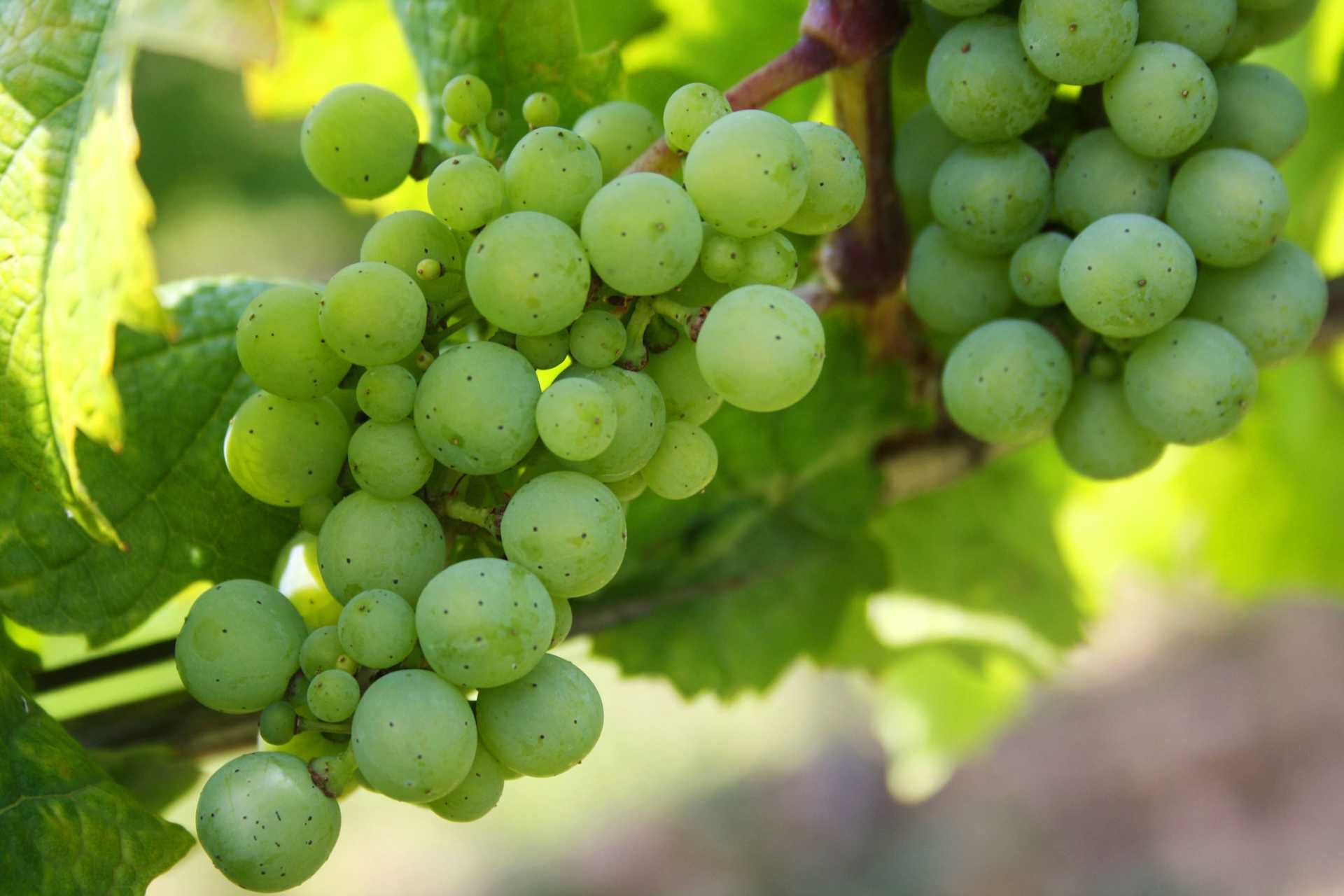
With hundreds of white grape varieties to choose from, winemakers have the freedom to create a virtually endless assortment of blended white wines. In many European regions, strict laws are in place determining the set of varieties that may be used in white wine blends, but in the New World, experimentation is permitted and encouraged. Blending can be utilized to enhance balance or create complexity, lending different layers of flavors and aromas. For example, a variety that creates a soft and full-bodied white wine blend, like Chardonnay, would do well combined with one that is more fragrant and naturally high in acidity. Sometimes small amounts of a particular variety are added to boost color or aromatics. Blending can take place before or after fermentation, with the latter, more popular option giving more control to the winemaker over the final qualities of the wine.

As the world’s northernmost fine wine producing region, Germany faces some of the most extreme climatic and topographic challenges in viticulture. But fortunately this country’s star white wine variety, Riesling, is cold-hardy enough to survive freezing winters, and has enough natural acidity to create balance, even in wines with the highest levels of residual sugar. Riesling responds splendidly to Germany’s variable terroir, allowing the country to build its reputation upon fine wines at all points of the sweet to dry spectrum, many of which can age for decades.
Classified by ripeness at harvest, Riesling can be picked early for dry wines or as late as January following the harvest for lusciously sweet wines. There are six levels in Germany’s ripeness classification, ordered from driest to sweetest: Kabinett, Spätlese, Auslese, Beerenauslese, Trockenbeerenauslese and Eiswein (ice wine). While these German wine classifications don’t exactly match the sweetness levels of the finished wines, the Kabinett category will include the drier versions and anything above Auslese will have noticeable—if not noteworthy—sweetness. Eiswein is always remarkably sweet.
Other important German white wine varieties include Müller-Thurgau as well as Grauburguner (Pinot Gris) and Weissburguner (Pinot Blanc). The red wine, Spätburgunder (Pinot Noir), grown in warmer pockets of the country can be both elegant and structured.
As the fourth largest wine producer in Europe (after France, Italy and Spain), in contrast to its more Mediterranean neighbors, Germany produces about as much as it consumes—and is also the largest importer of wine in the E.U.