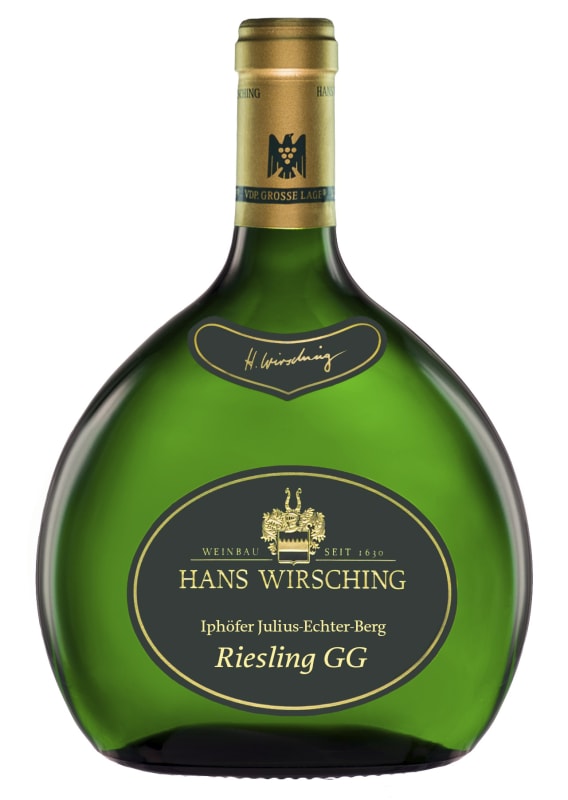


Winemaker Notes
The distinctive mineral notes reflecting their terroir and the aroma of ripe peach define the character of this Grand Cru. Additionally, the fine hints of citrus notes provide a pleasant tension on the palate. The crisp, but subtle acidity gives the wine its delicate structured body and truly animate to enjoy the next sip. Thanks to its lingering finish it allows and even longer enjoyment.
Enjoy this great wine together with fine dishes as fish, vegetables or light meat. It is also a perfect match to creamy sauces.
Professional Ratings
-
James Suckling
As concentrated as it is beautifully balanced, this sophisticated dry silvaner has a wonderful interplay of delicate citrus and tropical-fruit aromas with complex fennel and savory notes. Manages to avoid the weightiness that often afflicts high-end dry silvaner. In fact, it feels surprisingly light on its feet through the long, cool and polished finish. From organically grown grapes with Fair'n Green certification. Drink or hold. Screw cap.
-
Robert Parker's Wine Advocate
The 2020 Iphöfer Julius-Echter-Berg Riesling VDP.Erste Lage opens with a still-closed and slightly reductive but intensely aromatic bouquet that still needs to develop to open up. On the palate, this is a rich and mouth-filling yet straight, fine, piquant and finely grippy Riesling with lingering salinity and fine mineral expression. Aged entirely in stainless steel, this is a precise, modern classic that needs a year or two to gain further complexity.
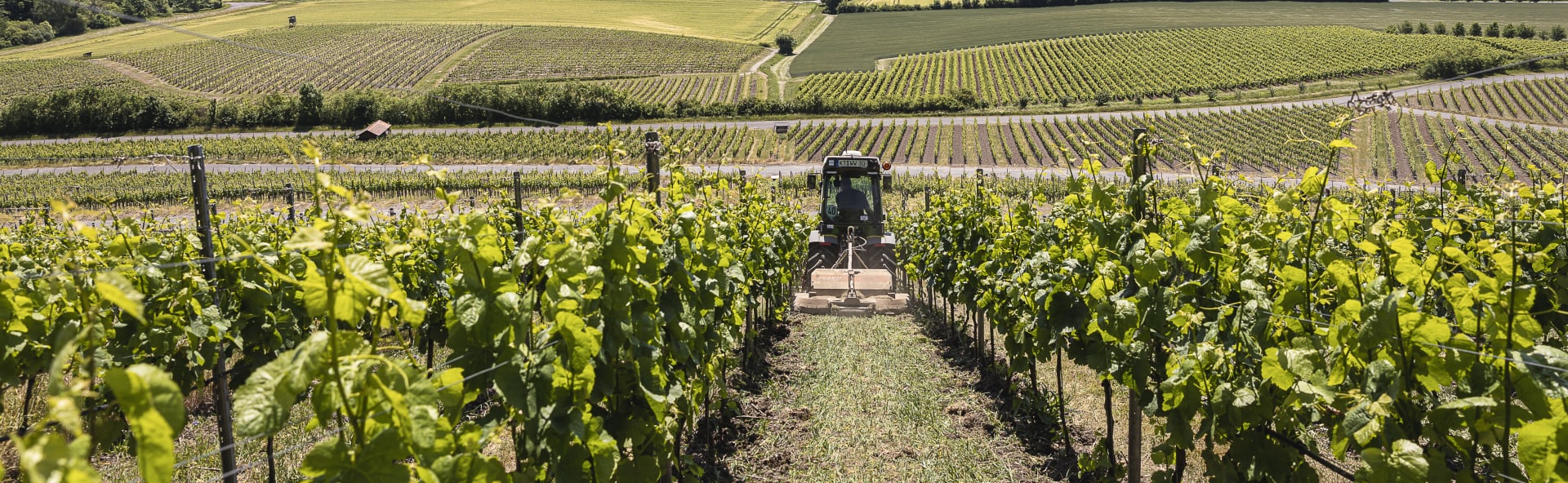



Weingut Hans Wirsching is one of the largest privately owned family estates in Germany, situated in the picturesque medieval town of Iphofen in Franconia, 1.4 hours east of Frankfurt. Now in its 14th generation, the Wirsching family with CEO Andrea Wirsching produces 37,000 cases on 225 acres of vineyards. They focus on Silvaner (40%), the signature grape of the Franconian wine area. 20% of their vineyards are planted with Riesling, the classical German grape, and 7% with Scheurebe, a fruity grape with aromas like Sauvignon Blanc.
In 1630 Hans Wirsching donated a vineyard to the Abbey at Ebrach. The sale is one of the first instances documenting the Wirsching family's involvement in wine. Throughout the centuries the Wirsching's have continued their love for, and involvement in, the business of agriculture and wine growing.
In the late 19th century, the phylloxera plague devastated the European wine industry. Andreas Wirsching died at an early age, and his widow focused on a shop which fed children in the village. Andreas' passing could have easily spelled the end of wine production for the Wirsching family. However, in 1918, Andreas' son Hans Wirsching returned from World War I. Hans was only 23 at the time, but he made the decision to put all of his energy into rebuilding the vineyards. He not only restarted the winery, but also began the painstaking process of replanting the vineyards with American rootstocks. Hans obtained Scheurebe cuttings from the Annaberg in the early 1950s (like Karl Fuhrmann at Pfeffingen / Pfalz) and transplanted them in the Kronsberg vineyard. We can credit both the Wirsching and Pfeffingen estates, and their pioneering efforts, for making a place for the Scheurebe grape in German viticulture.
Terroir: "Keuper" (Jurassic Clay) is a sediment stone from the time when dinosaurs walked through the swamps 220 million years ago. Layers of Gypsum within that stone give the wines low acidity. The wines of Iphofen are full bodied with hints of herbaceous aromas and elegant fruit components.
As member of the elite wine association VDP-Die Prädikatsweingüter they have very high production and quality standards. The quality levels are VDP.Gutswein (estate), VDP.Ortswein (village), VDP.Erste Lage (Premier Cru), VDP.Große Lage (Grand Cru). Wirsching is member of Fair N'Green, a sustainable certificate.

Riesling possesses a remarkable ability to reflect the character of wherever it is grown while still maintaining its identity. A regal variety of incredible purity and precision, this versatile grape can be just as enjoyable dry or sweet, young or old, still or sparkling and can age longer than nearly any other white variety. Somm Secret—Given how difficult it is to discern the level of sweetness in a Riesling from the label, here are some clues to find the dry ones. First, look for the world “trocken.” (“Halbtrocken” or “feinherb” mean off-dry.) Also a higher abv usually indicates a drier Riesling.
