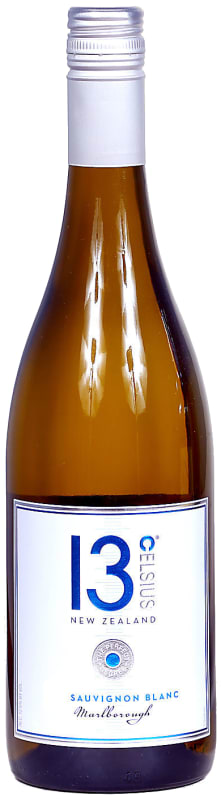


Winemaker Notes
Vibrant aromatics of citrus, lychee, sweet herbs and a crisp minerality tease the refined acidity and
refreshing finish that define iconic Marlborough Sauvignon Blancs.
13 Celsius Sauvignon Blanc is an incredibly food-friendly wine. The bright acidity refreshes the palate, herbal notes accentuate flavors, and hints of citrus can accompany a vast range of foods. 13 Celsius wine is complex and mineral, paired best with intricate, layered dishes such as sautéed sea bass with lemongrass, grilled Ahi tuna with watercress salad or a classic shrimp cocktail with a fresh avocado


Capable of a vast array of styles, Sauvignon Blanc is a crisp, refreshing variety that equally reflects both terroir and varietal character. Though it can vary depending on where it is grown, a couple of commonalities always exist—namely, zesty acidity and intense aromatics. This variety is of French provenance. Somm Secret—Along with Cabernet Franc, Sauvignon Blanc is a proud parent of Cabernet Sauvignon. That green bell pepper aroma that all three varieties share is no coincidence—it comes from a high concentration of pyrazines (herbaceous aromatic compounds) inherent to each member of the family.

An icon and leading region of New Zealand's distinctive style of Sauvignon blanc, Marlborough has a unique terroir, making it ideal for high quality grape production (of many varieties). Despite some common generalizations, which could be fairly justified given that Marlborough is responsible for 90% of New Zealand's Sauvignon blanc production, the wines from this region are actually anything but homogenous. At the northern tip of New Zealand’s South Island, the vineyards of Marlborough benefit from well-draining, stony soils, a dry, sunny climate and wide temperature fluctuations between day and night, a phenomenon that supports a perfect balance between berry ripeness and acidity.
The region’s king variety, Sauvignon blanc, is beloved for its pungent, aromatic character with notes of exotic tropical fruit, freshly cut grass and green bell pepper along with a refreshing streak of stony minerality. These wines are made in a wide range of styles, and winemakers take advantage of various clones, vineyard sites, fermentation styles, lees-stirring and aging regimens to differentiate their bottlings, one from one another.
Also produced successfully here are fruit-forward Pinot noirs (especially where soils are clay-rich), elegant Riesling, Pinot gris and Gewürztraminer.