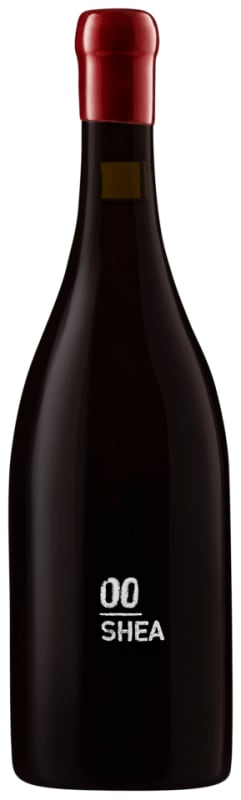


Winemaker Notes
Crafted for depth, structure, terroir signature and ageing. For this bottling, the Shea Pinot Noir fruit is planted at 550 feet near the treeline in 2002 in Marine Sedimentary soils.
Professional Ratings
-
James Suckling
Aromas of black cherries, ripe strawberries, forest flowers and iodine follow through to a medium body with fine, creamy tannins that are velvety and caressing. Delicious finish.
-
Vinous
The 2023 Pinot Noir Shea combines lift, richness and minerality in a way I find especially attractive. Nuances of wild strawberry, stems included, mingle with underbrush and sweet herbs as the wine opens in the glass. It displays lovely weight and energy, with vivid red berry fruits and a subtle saline inflection as brisk acidity sets the palate salivating. Violet inner florals arch across the senses. The 2023 leaves a gently chewy sensation and subtle tannins that frame the experience remarkably well.
-
Robert Parker's Wine Advocate
The 2023 Pinot Noir Shea is unusually detailed and expressive, with wild strawberry, raspberry and blood orange mingling with underbrush, moss and spice on the nose. The medium-bodied palate is concentrated and layered with silky tannins, bright acidity and a long, spicy finish.


Thin-skinned, finicky and temperamental, Pinot Noir is also one of the most rewarding grapes to grow and remains a labor of love for some of the greatest vignerons in Burgundy. Fairly adaptable but highly reflective of the environment in which it is grown, Pinot Noir prefers a cool climate and requires low yields to achieve high quality. Outside of France, outstanding examples come from in Oregon, California and throughout specific locations in wine-producing world. Somm Secret—André Tchelistcheff, California’s most influential post-Prohibition winemaker decidedly stayed away from the grape, claiming “God made Cabernet. The Devil made Pinot Noir.”

Yamhill-Carlton, characterized by pastoral, rolling hills composed of shallow, quick-draining, ancient marine soil, is ideal for Pinot noir and other cool-climate-loving varieties. It is in the rain shadow of the Coast Range to its west, whose highest point climbs to an altitude of 3,500 feet. Yamhill-Carlton is actually surrounded by mountains on three sides: Chehalem Mountains to the north, the Dundee Hills to the east and the western Coast Range to its west, which, when it lets Pacific air through, serves to cool the region.
Vineyards grow on the ridges surrounding the two small communities of Yamhill and Carlton and cover about 1,200 acres of this 60,000 acre region, which roughly makes a horse-shoe shape on a map.