

Winemaker Notes
Professional Ratings
-
Decanter
A New World Chardonnay approaching perfection, this wine like all the 00 Chardonnay's goes through the ‘Black Chardonnay’ method, coming from the very old Chehalem Mountain Vineyard site, planted by Dick Erath in 1969, the third in the Willamette Valley, to own rooted Wente Clone Chardonnay. It's beguilingly reductive in the aromatics, as chipped flint smokiness layers on top of grilled pineapple laced with clover honey and candied ginger on the fringes. The palate is lithe, lively and edgy as ocean brine frames ripe and full Meyer lemon pulp, a gorgeous creaminess brightened by green mangoes and ripe grilled peach. Intense and complete.
-
James Suckling
This is so fragrant. Pralines, sesame seeds, wild herbs, lemon tart and dried apples on the nose, with lightly bitter green-tea and fennel flavors coming through on the palate. It’s caressing, textural and creamy, with beautiful integration. Minerally, lightly nutty and salty all at the same time. From Wente clones. Matured for two years in barrels. Drink from 2026.
-
Robert Parker's Wine Advocate
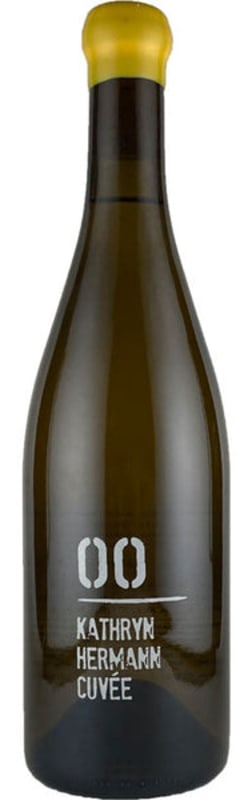
The 2022 Chardonnay Kathryn Hermann Cuvée is fantastically spicy, offering layers of peach, graham cracker, matchstick and coriander seed on the nose. The medium-bodied palate has a luxuriously silky texture and highly concentrated, spicy flavors. It’s balanced by vibrant acidity and has a long, dynamic finish.
Rating: 94+


One of the most popular and versatile white wine grapes, Chardonnay offers a wide range of flavors and styles depending on where it is grown and how it is made. While it tends to flourish in most environments, Chardonnay from its Burgundian homeland produces some of the most remarkable and longest lived examples. California produces both oaky, buttery styles and leaner, European-inspired wines. Somm Secret—The Burgundian subregion of Chablis, while typically using older oak barrels, produces a bright style similar to the unoaked style. Anyone who doesn't like oaky Chardonnay would likely enjoy Chablis.

The Chehalem Mountains is a northwest-southeast span of several distinct mountains, ridges and peaks in the northern part of the Willamette Valley. Of all of Willamette Valley's smaller AVAs, it is closest to the city of Portland. Its highest summit, Bald Peak at an elevation of 1,633 feet, serves to generate cooler air for the rest of the AVA and its hillside vineyards. The region covers 70,000 acres but only 1,600 acres are planted to vines; soils of the Chehalem Mountains are a mix of basalt, ocean sediment and loess.