White Wine Blends 26 Items
You're no longer following this brand
You'll no longer receive alerts for new arrivals and brand updates
- All White Wine
- Riesling 393
- Chardonnay 366
- Sauvignon Blanc 271
- Gruner Veltliner 104
- Pinot Gris/Grigio 50
- Semillon 27
- Other White Blends clear Wine Type filter
- Rhône White Blends 18
- Albarino 17
- Chenin Blanc 17
- Garganega 16
- Viognier 14
- Pinot Blanc 11
- Bordeaux White Blends 10
- Other White Wine 5
- Arneis 4
- Muscat 4
- Roussanne 4
- Torrontes 4
- Trebbiano 4
- Vermentino 4
- Scheurebe 4
- Friulano 2
- Furmint 2
- Gewurztraminer 2
- Grenache Blanc 2
- Silvaner 2
- Assyrtiko 1
- Melon de Bourgogne 1
- Verdelho 1
- Rkatsiteli 1
- White Pinot Noir 1
-
Gift Type Any
-
Occasion Any
-
Variety Any
-
Varietal Other White Blends
-
Region Any
-
Availability Include Out of Stock
-
Size & Type Screw Caps
-
Fine Wine Any
-
Vintage Any
-
Reviewed By James Suckling
-
Sort By Most Popular
-
 Franz Haas Manna Vigneti delle Dolomiti 2013Trentino-Alto Adige, Italy ● Other White Blends
-
James
Suckling -
Robert
Parker
- Screw Cap
Ships Sat, Apr 25Limit 0 per customerSold in increments of 0 -
James
Browse by Category
Red White Sparkling Rosé Spirits GiftsWith hundreds of white grape varieties to choose from ...
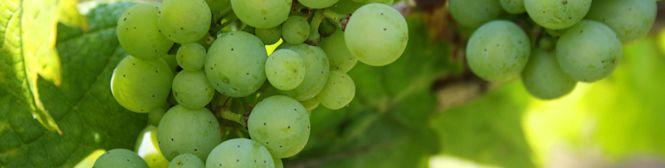
With hundreds of white grape varieties to choose from, winemakers have the freedom to create a virtually endless assortment of blended white wines. In many European regions, strict laws are in place determining the set of varieties that may be used in white wine blends, but in the New World, experimentation is permitted and encouraged. Blending can be utilized to enhance balance or create complexity, lending different layers of flavors and aromas. For example, a variety that creates a soft and full-bodied white wine blend, like Chardonnay, would do well combined with one that is more fragrant and naturally high in acidity. Sometimes small amounts of a particular variety are added to boost color or aromatics. Blending can take place before or after fermentation, with the latter, more popular option giving more control to the winemaker over the final qualities of the wine.