White Wine 23 Items

You're no longer following this brand
You'll no longer receive alerts for new arrivals and brand updates
- All White Wine
- Chardonnay 32045
- Sauvignon Blanc 18420
- Other White Blends 9330
- Riesling 8697
- Pinot Gris/Grigio 8254
- Other White Wine 7449
- Chenin Blanc 2788
- Viognier 2510
- Rhône White Blends 2346
- Gewurztraminer 2065
- Gruner Veltliner 2062
- Bordeaux White Blends 1995
- Albarino 1899
- Pinot Blanc 1704
- Muscat 1678
- Vermentino 916
- Torrontes 668
- Cortese 603
- Garganega 584
- Arneis 553
- Semillon 542
- Melon de Bourgogne 523
- Verdejo 502
- Verdicchio 430
- Friulano 395
- Fiano 384
- Godello 352
- Aligote 318
- Grenache Blanc 311
- Trebbiano 279
- Falanghina 267
- Greco 251
- Vernaccia 246
- Malvasia 238
- Grillo 236
- Roussanne 222
- Viura 204
- Picpoul 186
- Furmint 176
- Assyrtiko 171
- Muller Thurgau 151
- Marsanne 146
- Verdelho 136
- Moschofilero 117
- Carricante 97
- Xarel-lo 87
- Loureiro 77
- Pecorino 77
- Grechetto 76
- Jacquere 70
- Silvaner 64
- Arinto 51
- Ribolla Gialla 49
- Inzolia 48
- Kerner 39
- White Pinot Noir 34
- Robola 28
- Pedro Ximénez 25
- Chasselas clear Wine Type filter
- Scheurebe 20
- Sauvignon Gris 14
- Airen 12
- Palomino 11
- Erbaluce 9
- Rkatsiteli 9
- Savagnin 9
- Hondarrabi Zuri 5
- Colombard 3
- Nascetta 2
-
Gift Type Any
-
Occasion Any
-
Variety Any
-
Varietal Chasselas
-
Region Any
-
Availability Include Out of Stock
-
Size & Type Any
-
Fine Wine Any
-
Vintage Any
-
Reviewed By Any
-
Sort By Most Interesting
-
 Ships TomorrowLimit 0 per customerSold in increments of 0
 -
 Ships TomorrowLimit 0 per customerSold in increments of 0
 -
 Ships Wed, Apr 15Limit 0 per customerSold in increments of 0
 -
 Ships Wed, Apr 15Limit 0 per customerSold in increments of 0
 -
 Ships Wed, Apr 15Limit 0 per customerSold in increments of 0
 -
 Ships Wed, Apr 15Limit 0 per customerSold in increments of 0
 -
 Ships Wed, Apr 15Limit 0 per customerSold in increments of 0
 -
 Ships Wed, Apr 15Limit 0 per customerSold in increments of 0
 -
 Ships Mon, Jan 1Limit 0 per customerSold in increments of 0
 -
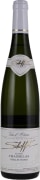
 Domaine Schoffit Chasselas Vieilles Vignes 2022Alsace, France ● Chasselas
- Vinous
-
Wine
Spectator
3.8 Very Good (13)- Green
Ships Wed, Apr 15Limit 0 per customerSold in increments of 0 -
 Ships Wed, Apr 15Limit 0 per customerSold in increments of 0
 -
 Ships Wed, Apr 15Limit 0 per customerSold in increments of 0
 -
 Ships Wed, Apr 15Limit 0 per customerSold in increments of 0
 -
 Ships Wed, Apr 15Limit 0 per customerSold in increments of 0
 -
 Ships Wed, Apr 15Limit 0 per customerSold in increments of 0
 -
 Ships Wed, Apr 15Limit 0 per customerSold in increments of 0
 -
 Ships Wed, Apr 15Limit 0 per customerSold in increments of 0
 -
 Ships Wed, Apr 15Limit 0 per customerSold in increments of 0
 -
 Ships Wed, Apr 15Limit 0 per customerSold in increments of 0
 -
 Ships Wed, Apr 15Limit 0 per customerSold in increments of 0
 -
 Ships Wed, Apr 15Limit 0 per customerSold in increments of 0
 -
 Ships Wed, Apr 15Limit 0 per customerSold in increments of 0
 -
 Ships Wed, Apr 15Limit 0 per customerSold in increments of 0
Browse by Category
Red White Sparkling Rosé Spirits GiftsLearn about white wine — the range of styles, how it’s made and more ...
Types of white wine varieties
While only a handful of white wine varieties are responsible for most of the commercial production of white wine worldwide, hundreds of native varieties are important not only to local culture, but to the diversity of the global wine world. From lean and crisp to oaky and buttery, white wine comes in an array of styles and is produced in almost every wine region of the world. While they’re all important to local cultures and global wine diversity, these are the top white grapes used for production:
- Chardonnay: Diverse styles, but often shows oak influence and a buttery quality.
- Sauvignon Blanc: Crisp, aromatic, often un-oaked. Citrus, grassy and tropical notes.
- Pinot Grigio/Gris: Usually un-oaked, medium-bodied, with apple, pear and citrus.
- Chenin Blanc: Made into dry, sweet, still and sparkling wines. Apple, pear, ginger, “steel wool” minerality.
- Riesling: Tolerates cold weather, high in acid. Lime, peach and petrol notes. Can be dry, medium sweet or lusciously sweet.
- Semillon: Often blended with Sauvignon Blanc. Has a viscous texture and notes of citrus and tropical fruit. Susceptible to botrytis and used in rich dessert wines.
Styles of white wine
Apart from the differences between dry and sweet wines, there are 3 basic styles in dry white wines.
- Light, crisp and uncomplicated. Think Pinot Grigio.
- Medium-bodied, aromatic and flavorful. Sauvignon Blanc or Chenin Blanc.
- Full, textured and richly-flavored. Chardonnay or Viognier.
- Sweet white wine - Sweet whites occur when the winemaker stops fermentation before the yeasts have converted all the sugar to alcohol, the result being a sweet, low alcohol wine. A German Auslese Reisling is a good example of a still sweet wine.
- Dry white wine - Dry white wine happens when the winemaker allows fermentation to continue until little to no residual sugar is left. These can be higher in alcohol, though the percentage will vary depending on the ripeness of the grapes. Cooler climate whites will be lighter in body, ranging from 11% to 12.5% alcohol by volume (ABV). Warm climate whites will be fuller, from 13% to as high as 15% ABV in some cases.
Popular white wine regions
Some of the most popular New World white wine regions are California’s Sonoma and Central Coast regions, New Zealand’s Marlborough region and Chile. In the Old World, legendary regions include Burgundy and the Loire Valley in France, Germany’s Mosel and Rheingau, Italy’s Veneto and Alto Adige and Spain’s Rias Baixas.
How is white wine made?
Unlike red winemaking, the juice from white grapes is not typically left in contact with the grape skins during the fermentation process. As quickly as possible after harvest, grapes are crushed and pressed, removing the juice from the grape skins and other solids. To preserve fresh aromatics and fruit, white wines are fermented cooler than reds. The winemaker may let the wine rest on its lees (spent yeast cells) for a period of time, providing additional texture or a “biscuity” quality. They may also initiate malolactic fermentation, a process that converts tart malic acid into softer lactic acid and lends a creamy, buttery essence to the wine. Whether and how to use oak is another important decision. Barrels, especially new ones, can have a dramatic influence on a wine’s aromas and flavors, adding notes of vanilla, toast, spice and coconut. Though, older barrels can provide neutral containers for the development of the wine.
What gives white wine its color?
White wines can vary in color from nearly clear lemon-green to medium gold to pale orange or almost light brown, depending on grape variety, winemaking methods and age.
Red wine gets its color from time spent in contact with the skins. Since white wine juice is separated from the skins quickly, it tends to be pale. Un-oaked white wines are often light yellow, sometimes with greenish tints. White wines that mature in new oak will become richer in color; subtle oxidation that occurs with oak aging causes a more golden hue.
White wine color
Evaluating white wine color is best done in a well-lit room. Hold your glass against a white background and look closely. A very pale wine indicates an un-oaked, lighter-bodied wine that might come from a cool climate region like Italy’s Alto Adige or Germany’s Mosel. A straw-colored wine suggests Sauvignon Blanc, Semillon or Pinot Blanc, while fuller, oaked whites often appear golden in the glass. Deeper, darker colors result either from deliberate skin contact or longer, oxidative aging.
Pairing white wine with food
White wines can be versatile with food. Here are some terrific pairing ideas:
- Chardonnay with poultry, lobster or crab, rich and creamy cheeses.
- Sauvignon Blanc with light salads, light seafood dishes, goat cheese.
- Albariño with shellfish.
- Riesling (medium-sweet versions) with spicy Asian cuisine.
Health benefits of white wine
While white wine is lower than red wine in certain healthful compounds like resveratrol, multiple studies have shown that moderate alcohol consumption raises HDL (good cholesterol), reduces the risk of blood clots and helps prevent artery damage caused by LDL (bad cholesterol). Moderate consumption is typically defined as up to one drink per day for women, two for men.
How do you serve white wine?
Light-bodied white wines like Pinot Grigio should be served cool, at 45F to 50F. Fuller white wines like oaked Chardonnay are best served at 55F. As for stemware, the best white wine glasses have a stem and a narrow bowl large enough to allow swirling without spilling. Ideally for storing white wine in any long-term sense, it should be at cellar temperature, about 55F.
How long does white wine last?
Once opened, a bottle of white wine will usually stay fresh in the refrigerator for a couple of days or so. Unopened, white wines stay good for about a year to, in some cases, several decades. Assessing how long to hold on to a bottle is a complicated science. If you are planning to strategically store white wine, reach out to a Customer Care/professional.
Aging white wine
Most white wines are meant to be enjoyed soon after release, but some can age for decades. High quality Rieslings, as well as some White Burgundies and Semillons are in this category.