Sauternes Bordeaux, France 154 Items
You're no longer following this brand
You'll no longer receive alerts for new arrivals and brand updates
- All Bordeaux
- St. Emilion 941
- Pessac-Leognan 416
- Haut Medoc 408
- Medoc 388
- Graves 269
- St. Estephe 219
- Margaux 217
- Sauternes clear Nested Region filter
- Fronsac 150
- Pomerol 143
- Cotes de Castillon 142
- Lalande de Pomerol 114
- Pauillac 85
- St-Julien 80
- Entre-Deux-Mers 57
- Cotes de Bourg 48
- Cotes de Francs 47
- Listrac 47
- Moulis 47
- Barsac 15
-
Gift Type Any
-
Occasion Any
-
Variety Any
-
Varietal Any
-
Region Sauternes
-
Availability Include Out of Stock
-
Size & Type Standard (750ml)
-
Fine Wine Any
-
Vintage Any
-
Reviewed By Any
-
Sort By Most Popular
-
 Ships Mon, Jan 1Limit 0 per customerSold in increments of 0
 -
 Ships Mon, Jan 1Limit 0 per customerSold in increments of 0
 -
 Ships Mon, Jan 1Limit 0 per customerSold in increments of 0
 -
 Chateau Suduiraut Sauternes 2011Sauternes, Bordeaux, France ● Other Dessert
-
Wine
Enthusiast -
Wine
Spectator -
James
Suckling -
Robert
Parker
- Collectible
Ships Fri, Apr 24Limit 0 per customerSold in increments of 0 -
Wine
Browse by Category
Red White Sparkling Rosé Spirits GiftsLearn about Sauternes wine, common tasting notes, where the region is and more ...
Sweet and unctuous but delightfully charming, the finest Sauternes typically express flavors of exotic dried tropical fruit, candied apricot, dried citrus peel, honey or ginger and a zesty beam of acidity.
Sémillon, Sauvignon Blanc, Sauvignon Gris and Muscadelle are the grapes of Sauternes. But Sémillon's susceptibility to the requisite noble rot makes it the main variety and contributor to what makes Sauternes so unique. As a result, most Sauternes estates are planted to about 80% Sémillon. Sauvignon is prized for its balancing acidity and Muscadelle adds aromatic complexity to the blend with Sémillon.
Botrytis cinerea or “noble rot” is a fungus that grows on grapes only in specific conditions and its onset is crucial to the development of the most stunning of sweet wines.
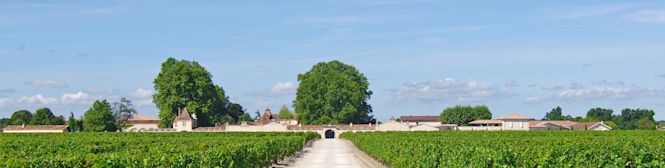
In the fall, evening mists develop along the Garonne River, and settle into the small Sauternes district, creeping into the vineyards and sitting low until late morning. The next day, the sun has a chance to burn the moisture away, drying the grapes and concentrating their sugars and phenolic qualities. What distinguishes a fine Sauternes from a normal one is the producer’s willingness to wait and tend to the delicate botrytis-infected grapes through the end of the season.