Italy 1 Items

You're no longer following this brand
You'll no longer receive alerts for new arrivals and brand updates
- Decanter 1
- James Suckling clear Publication filter
- Non-Vintage 81
- 2025 13
- 2024 228
- 2023 441
- 2022 755
- 2021 1058
- 2020 1098
- 2019 1190
- 2018 1040
- 2017 1005
- 2016 1087
- 2015 1015
- 2014 527
- 2013 715
- 2012 591
- 2011 449
- 2010 407
- 2009 177
- 2008 150
- 2007 155
- 2006 86
- 2005 17
- 2004 34
- 2003 5
- 2002 1
- 2001 13
- 2000 19
- 1999 6
- 1998 2
- 1997 7
- 1996 1
- 1995 1
- 1982 clear Vintage filter
-
Product Types Any
-
Gift Type Any
-
Occasion Any
-
Curated Set Contents Any
-
Spirit Type Any
-
Wine Type Any
-
Region Italy
-
Availability Include Out of Stock
-
Size & Type Any
-
Fine Wine Any
-
Vintage 1982
-
Reviewed By James Suckling
-
Sort By Most Popular
-
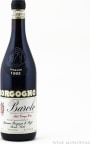 Borgogno Barolo Riserva with Gift Box 1982Barolo, Piedmont, Italy ● Nebbiolo
- Decanter
-
James
Suckling
Ships today if ordered in next 6 hoursLimit 120 per customerSold in increments of 0
Browse by Category
Red White Sparkling Rosé Spirits GiftsLearn about Italian wine, common tasting notes, where the region is and more ...
Thanks to the renewal of the collaboration between the Italian Trade Agency (ITA) and Wine.com, 50 new wineries and distilleries have been selected as new suppliers to the Wine.com platform. Click here to learn more about this program.
Italian Wine
Named “Oenotria” by the ancient Greeks for its abundance of grapevines, Italy has always had a culture virtually inextricable from red, white and sparkling wines. Wine grapes grow in every region throughout Italy—a long and narrow boot-shaped peninsula extending into the Mediterranean.
Italian Wine Regions
Naturally, most Italian wine regions enjoy a Mediterranean climate and a notable coastline, if not coastline on all borders, as is the case with the islands of Sicily and Sardinia. The Alps in the northern Italian wine regions of Valle d'Aosta, Lombardy and Alto Adige create favorable conditions for cool-climate grape varieties. The Apennine Mountains, extending from Liguria in the north to Calabria in the south, affect climate, grape variety and harvest periods throughout. Considering the variable terrain and conditions, it is still safe to say that most high quality viticulture in Italy takes place on picturesque hillsides.
Italian Grape Varieties
Italy boasts more indigenous grape varieties than any other country—between 500 and 800, depending on whom you ask—and most Italian wine production relies upon these native grapes. In some Italian wine regions, international varieties have worked their way in, but are declining in popularity, especially as younger growers take interest in reviving local varieties. Most important are Sangiovese, reaching its greatest potential in Tuscany, as well as Nebbiolo, the prized grape of Piedmont, producing single varietal, age-worthy Piedmontese wines. Other important varieties include Corvina, Montepulciano, Barbera, Nero d’Avola and of course the white wines, Trebbiano, Verdicchio and Garganega. The list goes on.