El Jolgorio 8 Items
You're no longer following this brand
You'll no longer receive alerts for new arrivals and brand updates




-
Product Types Any
-
Gift Type Any
-
Occasion Any
-
Curated Set Contents Any
-
Spirit Type Any
-
Wine Type Any
-
Region Any
-
Availability Include Out of Stock
-
Size & Type Any
-
Rare & Collectible Any
-
Vintage Any
-
Reviewed By Any
-
Sort By Most Popular
-
 Ships today if ordered in next 5 hoursLimit 120 per customerSold in increments of 0
 -
 Ships today if ordered in next 5 hoursLimit 120 per customerSold in increments of 0
 -
 Ships today if ordered in next 5 hoursLimit 120 per customerSold in increments of 0
 -
 Ships today if ordered in next 5 hoursLimit 120 per customerSold in increments of 0
 -
 Ships today if ordered in next 5 hoursLimit 120 per customerSold in increments of 0
 -
 Ships today if ordered in next 5 hoursLimit 120 per customerSold in increments of 0
 -
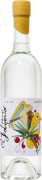 Ships today if ordered in next 5 hoursLimit 120 per customerSold in increments of 0
 -
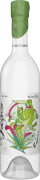 Ships today if ordered in next 5 hoursLimit 120 per customerSold in increments of 0
Browse by Category
Red White Sparkling Rosé Spirits GiftsMezcal forms an important part of rituals, ceremonies, and festivities...
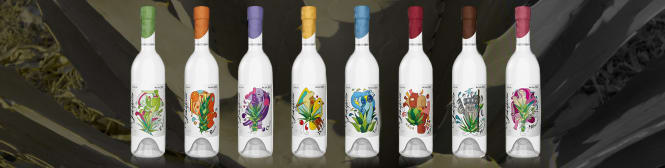
Mezcal forms an important part of rituals, ceremonies, and festivities in villages in our homeland of southern Mexican state of Oaxaca. These celebrations - also known as Jolgorios - always involve mezcal, a drink that spans cultures and bonds families.
El Jolgorio Mezcals are made from different species and varieties of wild-harvested and semi cultivated agaves by master distillers in remote villages in the Central Valleys region of Oaxaca.
Each El Jolgorio label signifies a different agave variety, with each tiny batch released in sequentially numbered editions. Due to the scarcity of wild agaves and a commitment to sustainability, the batches rotate, meaning each new edition might be produced by different regional producers within the tightly-knit collective. Every label bears the name of the distiller, village, age of agave at harvest, and the number of bottles, to connect the drinker with the place of origin and the families behind the spirit.