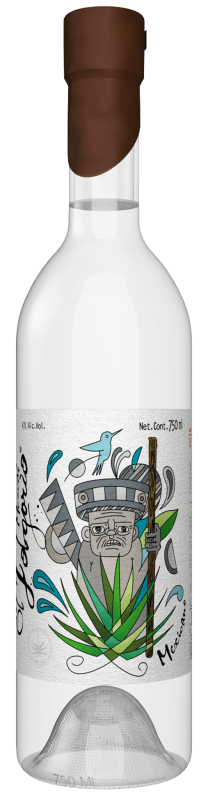


Distiller Notes
Although it is a genetic relative to agave Espadin, the most common agave used in mezcal production, agave Mexicano is less prevalent and, thus, is rarely used to produce mezcal. Like Espadin, it grows to be large, with a high concentration of sugars. Its broad, serrated leaves, or pencas, often bear black tips. In some Zapotec dialects, this agave is called 'doba-daan' or 'dob-daiin.'




Mezcal forms an important part of rituals, ceremonies, and festivities in villages in our homeland of southern Mexican state of Oaxaca. These celebrations - also known as Jolgorios - always involve mezcal, a drink that spans cultures and bonds families.
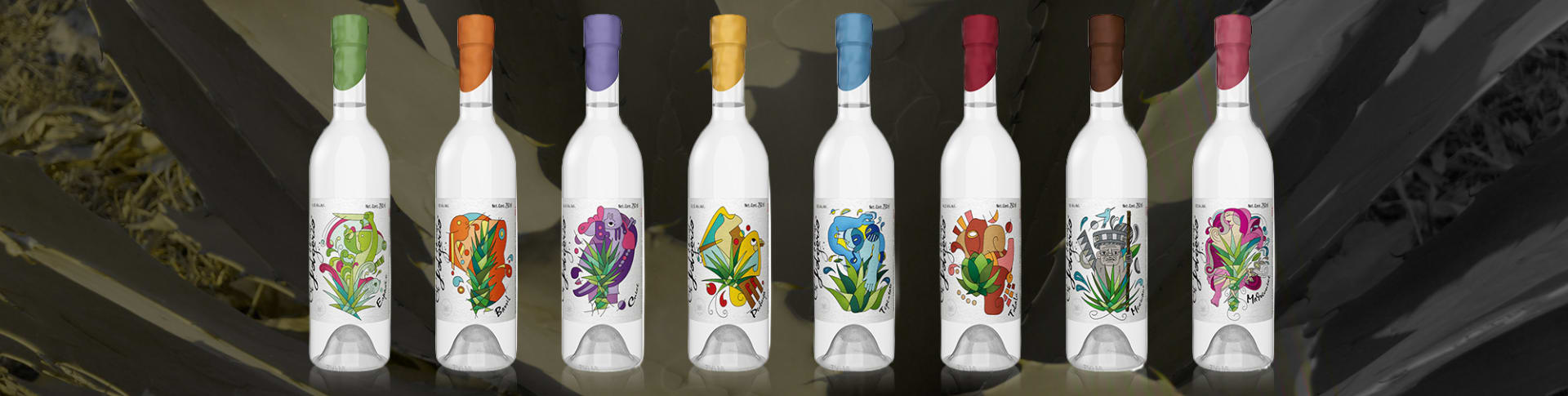
El Jolgorio Mezcals are made from different species and varieties of wild-harvested and semi cultivated agaves by master distillers in remote villages in the Central Valleys region of Oaxaca.
Each El Jolgorio label signifies a different agave variety, with each tiny batch released in sequentially numbered editions. Due to the scarcity of wild agaves and a commitment to sustainability, the batches rotate, meaning each new edition might be produced by different regional producers within the tightly-knit collective. Every label bears the name of the distiller, village, age of agave at harvest, and the number of bottles, to connect the drinker with the place of origin and the families behind the spirit.
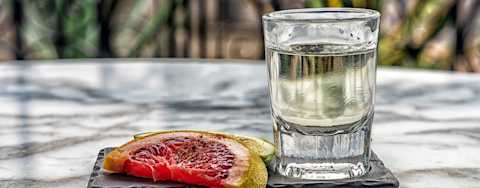
Mezcal Joven or “young” is bottled within two months of distillation without barrel aging and will appear clear, like a Vodka or Gin. Longer barrel aging, with the principal aim to soften and round a spirit’s flavor profile, is often most prized by connoisseurs. However, many die-hard Mezcal enthusiasts insist that oak takes away from the purity of the agave flavors—ranging from earthy and smoky to sweet and floral, often in the same Mezcal—and that Mezcal Joven is the best expression.