A hybrid grape is the offspring of two grape varieties from different species, usually bred to combine the flavor of Vitis vinifera with the disease resistance or cold hardiness of American species. A cross comes from two varieties of the same species: Cabernet Sauvignon is a natural cross of Cabernet Franc and Sauvignon Blanc.
Hybrid is a commonly misunderstood viticultural term. A hybrid can happen naturally, through cross-pollination, but more often it is the result of intentional work by botanists and vine breeders. Here is how hybrids differ from crosses, why they were bred, and which ones make good wine today. For more grape guides, see Wine 101.
At a glance
Hybrid: two varieties from different species.
Cross: two varieties of the same species, such as Pinotage (Pinot Noir x Cinsault).
Hybrids were bred after phylloxera hit Europe in the 1800s; grafting onto American rootstock became the lasting fix.
Breeders aim for good flavor, disease resistance and cold hardiness.
Hybrids that make good wine: Baco Noir, Vidal, Seyval Blanc, Rondo and Orion.
1. Hybrid vs. Cross
The difference is the species. A hybrid crosses varieties from two different species; a cross comes from two varieties of the same species, and it is often confused with a hybrid.
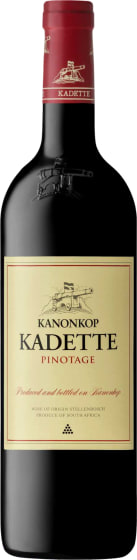
A cross, not a hybrid: Pinotage is South Africa's own Pinot Noir x Cinsault grape, bred in 1924. Kanonkop is one of its best-known producers, and the Kadette is the estate's approachable bottling.
2. Why Hybrid Grapes Were Bred
In the mid-to-late 1800s, the accidental introduction of the American root louse phylloxera to Europe quickly decimated the continent's vineyards. From 1875 to 1889 in France, for example, production plummeted by about 75%.
With the industry in serious peril, growers and winemakers sought solutions, including many attempts at hybridization that aimed to combine the flavor of V. vinifera varieties with the disease resistance of American species. Ultimately it was discovered that V. vinifera vines grafted onto certain American rootstocks were no longer susceptible to phylloxera, and that issue at least was settled.
3. Hybrid Grapes Today
Hybrid research never stopped. Rootstock studies continued, and today many widely used rootstocks are hybrids of multiple American species. Work on hybrid wine grapes is widespread too. The goals vary with where the vines will grow, but the focus is on good flavor, disease resistance and cold hardiness. Some modern hybrids have a complex family tree, the result of as many as eight generations of controlled cross-pollination.
Many hybrid grapes do not make good wine, but there are exceptions:
Baco Noir: one of the few hybrids permitted in France, widely grown for use in Armagnac.
Vidal: made into dry whites and delicious icewines in Canada and several U.S. states, including New York and Virginia.
Seyval Blanc: grown in the same places and in England; it can make nice dry whites.
Rondo (red) and Orion (white): lesser-known hybrids that have proven viable in cold regions of northern Europe.
A hybrid in the glass: Vidal is the grape behind most Canadian icewine, and Inniskillin in Niagara is one of its best-known producers. A 375 ml half-bottle, the usual size for icewine.
Hybrid Grape Questions, Answered
What is the difference between a hybrid and a cross?
A hybrid comes from two varieties of different species; a cross comes from two varieties of the same species.
Is Pinotage a hybrid?
No. Pinotage is a cross of Pinot Noir and Cinsault, both Vitis vinifera, bred in South Africa in 1924.
Is Cabernet Sauvignon a hybrid?
No. It is a natural cross of Cabernet Franc and Sauvignon Blanc, two varieties of the same species.
Why were hybrid grapes developed?
In the mid-to-late 1800s phylloxera devastated European vineyards (French production fell about 75% from 1875 to 1889), and growers bred hybrids for disease resistance. Grafting onto American rootstocks proved the lasting fix.
Which hybrid grapes make good wine?
Baco Noir (used in Armagnac), Vidal (dry whites and icewine), Seyval Blanc (dry whites), and Rondo and Orion in cold northern European regions.