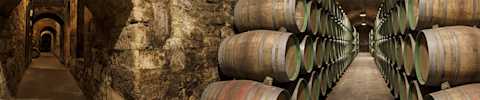
A bunghole is the opening in a wine barrel through which wine is added, tasted and drawn off; the stopper that plugs it is called a bung. Most barrels have two: one on top for filling, topping up, stirring and tasting, and one on the head for racking.
1. Where the Bungholes Are
It is common for a barrel to have two bungholes, one on top and one on the head.
- Top bunghole: for filling the barrel, topping it up, stirring the wine on its lees and tasting it.
- Bunghole at the head: for racking the wine.
2. What Bungs Are Made Of
A bung may be made of plastic, rubber, wood or silicone. Silicone is often used today because its tight fit helps prevent excessive oxygen exposure, which could affect how the wine develops.
3. Bung Up vs. Bung Over
A bit of trivia for your next wine cellar tour: if the top bung sits straight up at its highest point, the barrel is "bung up." If the bung rests at ten or two o'clock, it is "bung over."
Bunghole Questions, Answered
What is a bung made of?
Plastic, rubber, wood or silicone. Silicone is common today because its tight fit helps prevent excessive oxygen exposure.
Why do wine barrels have two bungholes?
The top bunghole is for filling, topping up, stirring the wine on its lees and tasting; the one at the head is for racking.
What do "bung up" and "bung over" mean?
Bung up means the top bung sits straight up at its highest point; bung over means it rests at the ten or two o'clock position.
More guides: What Is Fining? · What Are Tartrates? · What Is Carbonic Maceration? · When to Use a Decanter
Related Guides