To keep an opened bottle fresh, re-cork it and refrigerate it, red or white, and add a preserver: an inert-gas spray, a vacuum pump stopper (or a Champagne stopper for sparkling wine), or pour the wine into a smaller bottle. Each method slows oxidation and buys a few extra days.
The enemy is oxygen, which is both wine's best friend and its worst enemy. Once a bottle is open, a little air "wakes up" the wine and lifts its aromas and flavors; that is why we decant and swirl. But too much air over time turns wine to vinegar, whether it is an everyday bottle or a first-growth Bordeaux. Here is how to save the rest of the bottle.
At a glance
Refrigerate all opened wine, red or white.
Inert gas: a 3-second spray blankets the wine.
Vacuum stopper for still wine; Champagne stopper for sparkling.
A smaller bottle means less air in contact with the wine.
Sweet and fortified wines need little or no help.
1. Refrigerate It
Refrigeration slows down the aging of perishable foods, and once it is open, wine is perishable. Re-cork the bottle and put it in the fridge, whether it is red or white. For red wine, take the bottle out about 30 minutes before drinking so it can come back up to serving temperature. If you need the opposite, see how to chill wine fast.
2. Use Inert Gas
Wine preserver sprays are canisters of a safe, inert, flavorless gas (a mix of nitrogen, argon and carbon dioxide) that is heavier than air. Use the included straw to spray into the bottle for three seconds, then re-cork. The gas drives the air out of the bottle and rests like a protective blanket over the wine. Combine this with the fridge and you buy yourself a few extra days.
3. Use a Vacuum or Champagne Stopper
For still wines, a vacuum pump stopper sucks the air out of the bottle before sealing it. For sparkling wine you will want a proper Champagne stopper. These latch tightly to the bottle mouth, preventing blow-outs (which will happen if you jam the original cork back in) while keeping the bubbles. Both buy you some extra time.
Another option is to pour the wine into a smaller bottle, then cap or cork it. With less empty space, much less air touches the wine, and this can be quite effective.
5. Wines That Need Little Preserving (and Those That Need More)
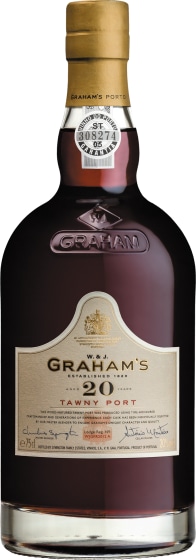
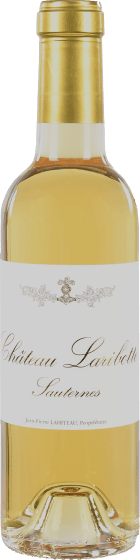
Some wines need little or no preservation. Sweet and fortified wines such as Sauternes, Port and Australian stickies keep well, because both sugar and higher alcohol act as preservatives. For Port specifically, see how long Port lasts after opening.
On the other hand, unfortified wines that have seen lengthy aging fade quickly once opened. Your best bet there is to invite friends over and finish the bottle. If you do end up with leftovers you will not drink, there are plenty of uses for leftover red wine.
Yes. Refrigerate all opened wine, red or white, and take red wine out about 30 minutes before drinking.
How does a wine preserver gas work?
It is a safe, inert, flavorless mix of nitrogen, argon and carbon dioxide that is heavier than air; a 3-second spray displaces the air and blankets the wine.
How do you keep sparkling wine bubbly after opening?
Use a proper Champagne stopper, which latches tightly to the bottle.
Why does opened wine go bad?
Oxygen. A little opens up the wine, but too much over time turns it to vinegar.
Which wines last longest after opening?
Sweet and fortified wines such as Sauternes and Port, because sugar and higher alcohol act as preservatives. Older unfortified wines fade fastest.