Ribera del Duero and Rueda: Spain's Sister Wine Regions
Ribera del Duero and Rueda are sister wine regions in Castilla y León, on the high plains of northern Spain, about two hours north of Madrid. Ribera del Duero makes bold, structured reds from Tempranillo (locally Tinto Fino); Rueda makes aromatic, herbaceous whites from Verdejo.
The climate is close to inhospitable for people, with scorching summers and frigid winters, but native grapes thrive in it. Here is what to know about each region and its signature grape.
At a glance
Where: Castilla y León, northern Spain.
Rueda: Verdejo whites; first D.O. in Castilla y León (1980).
Ribera del Duero: Tempranillo reds; D.O. since 1982.
Tinto Fino: about 95% of Ribera del Duero grapes.
Verdejo pairs with shellfish, salads and spicy food; Ribera with grilled and roasted meats.
1. D.O. Rueda
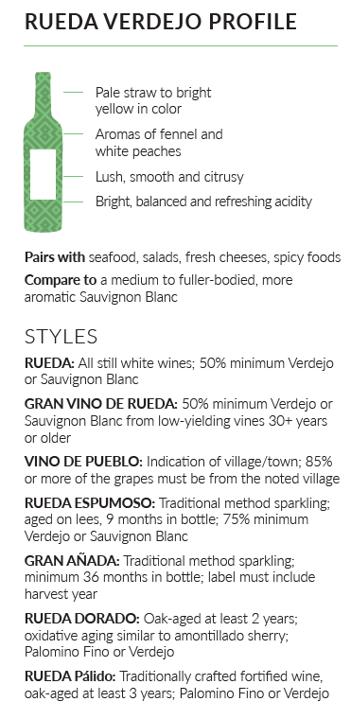
Rueda Verdejos reflect an ancient tradition and a pure sense of place. Winemaking in Rueda is documented as early as the 10th century, and in 1980 it became the first D.O. in Castilla y León.
Rueda sits about half a mile above sea level. Winters are cold, springs late and summers blistering, and while that is harsh for people, Verdejo flourishes and its flavors concentrate. Roots dig deep through sandy, stony soil for water and nutrients, which gives the wines a slight minerality, and big swings between day and night temperatures keep sugar and acidity in balance. The D.O. has also updated its classification system to include village designations, simplify categories and denote older vines and aged sparkling wines.
2. The Verdejo Grape
Verdejo is the signature grape of Rueda, one of Spain's best-known white wine regions. The wines are aromatic and medium- to full-bodied, with tropical fruit, citrus and lively acidity: a refreshing alternative for fans of Pinot Grigio or Sauvignon Blanc. Rueda Verdejo pairs with shellfish, salads, flavorful sauces, buttery dishes and spicy or Asian food, from oysters to Pad Thai, and is very enjoyable on its own.
Most Rueda wine is made in temperature-controlled stainless steel, which keeps it fresh and aromatic, but Verdejo also responds well to oak, which adds complexity and aging potential. Lees aging is common, and the region has old pre-phylloxera vines that give wines of depth. Winemakers also experiment with native yeasts and concrete eggs, and Rueda makes traditional-method sparkling wine and fortified wines such as Pálido. Simply put, Rueda wines are about quality, value and character.
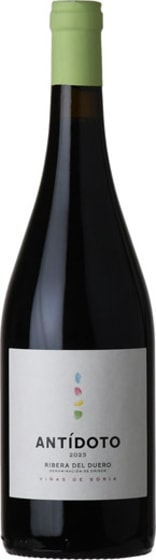
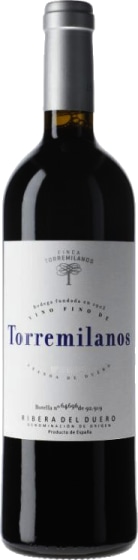
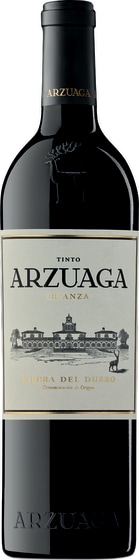
Ribera del Duero wines are a pure expression of Tempranillo, Spain's best-known grape: bold and textured, with old-world sensibility. The region gained D.O. status in 1982 and is home to some of Spain's most sought-after wines, including plenty of cult favorites.
Semi-arid terrain, plenty of sunlight and extreme swings between day and night temperatures create ideal ripening conditions for Tempranillo. Local winemakers turn that adversity to their advantage, pairing local techniques with centuries of know-how to make some of the great red wines of the world.
4. The Tempranillo Grape (Tinto Fino)
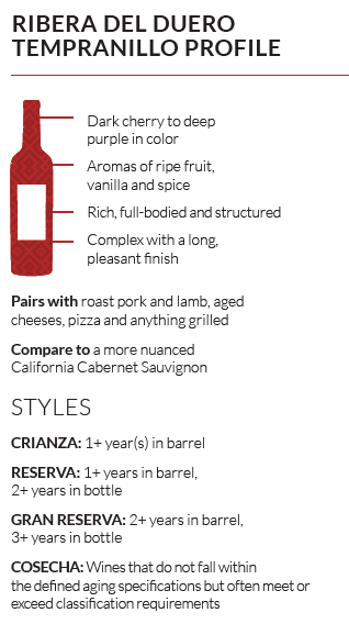
Known locally as Tinto Fino, Tempranillo makes up 95% of the grapes grown in Ribera del Duero. Here it is a hearty, thick-skinned version of its cousin in Rioja. Old vines are the signature of the region: vines 25 years and older make up about 35% of plantings, and with deep roots and small berries they are known for structured, balanced wines.
Ribera del Duero reds are generally made to age, developing complexity while balancing acidity and generous fruit. Their spice, dark fruit and smoky flavors suit anything off the grill, roasted meats and rich pastas. They are often compared to Napa Valley Cabernet Sauvignon for their rich, bold flavors, but tend to be more refined, with well-integrated oak. There are also bright, juicy Tempranillos made to drink young, with little or no oak.