Pacific Northwest Wine: A Guide to Oregon and Washington
The Pacific Northwest means two wine states. Oregon, led by the Willamette Valley, is Pinot country: Pinot Noir first, with Pinot Gris and Pinot Blanc. Washington, the second-largest wine producer in the US after California, makes crisp Riesling and dense reds from Cabernet Sauvignon, Merlot and Syrah.
The region is also a leader in sustainable, organic and biodynamic winemaking. Below is what to expect from each state and a few bottles to try. For a closer look at one state, see Washington wine, explained.
At a glance
Oregon Pinot Noir: earthy Burgundian subtlety with up-front fruit.
Oregon Pinot Gris and Pinot Blanc: aromatic, textured whites.
Washington Riesling: aromatic, complex and zingy.
Washington reds: Cabernet Sauvignon, Merlot, Bordeaux blends and Syrah.
Sustainability: LIVE and Salmon-Safe certifications began here.
1. Oregon Pinot Noir
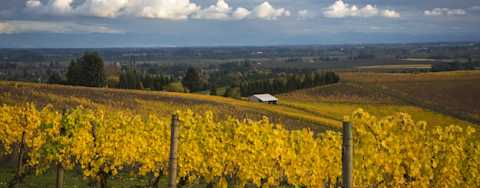
Pinot Noir, Pinot Gris and a bit of Pinot Blanc: this is Oregon, and it is Pinot country. Oregon's claim to fame is Pinot Noir. Distinctive soils and an ideal climate make the Willamette Valley one of the few places in the world that suit this finicky, thin-skinned grape. Oregon Pinot Noir marries the earthy subtlety of the Burgundian style with the more up-front fruit you find in many California versions: savory and subtle, yet powerful in its complexity and depth of flavor.
The success of Pinot in Oregon traces back to one man, David Lett, known as "Papa Pinot." Seeing similarities between the terroir of the Willamette Valley and Burgundy, he took a chance on planting Pinot varieties. Because of his pioneering vision, Oregon is now regarded as classic Pinot country.
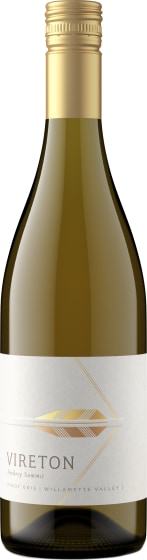
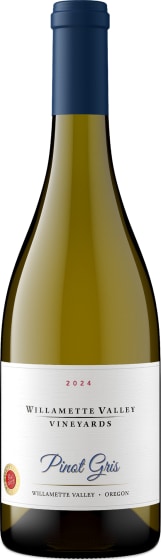
White wine fans will enjoy Oregon's Alsatian-style Pinot Gris, with an aromatic bouquet of stone fruit and a rich texture. Pinot Blanc is lesser known but may become your new favorite white: its layered fruit and floral notes are wrapped in a soft, easy-drinking structure.
If Washington wines are not yet on your table, it is time to try them. Washington is the second-largest wine producer in the US, after California. Its vineyard land is dry and warm, with diverse soils, and its wines range from crisp, refreshing Riesling to dense, spicy Syrah. The one consistent factor is quality.
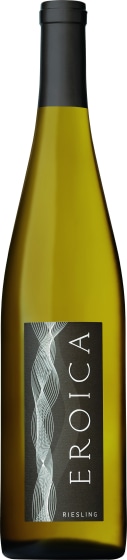
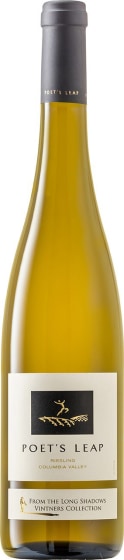
Riesling may seem an odd fit for a warm, dry state, but once you try it you will understand. Washington Riesling varies in sweetness, but it is reliably aromatic, complex and zingy in its acidity.
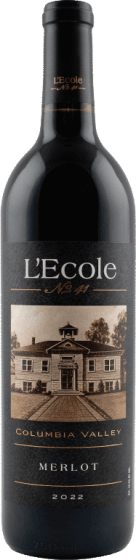
Cabernet Sauvignon leads the red wines here. If past Merlot overload has you avoiding the grape, put a Washington Merlot on your list: it will revive your respect for it. With those two grapes shining, Bordeaux-style blends also have a fantastic standing. The breakout star, though, is Syrah: dense, juicy, savory and spicy, often at a fraction of the price of its French and California counterparts.
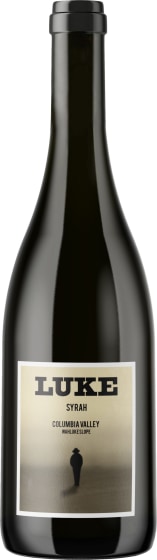
Wahluke Slope, Columbia Valley, Washington ● Syrah/Shiraz
92 Wine Spectator
92 Wilfred Wong
91 Wine Enthusiast
Sold Out - was $28.00
5. Going Green: Sustainable Winemaking in the Northwest
The Pacific Northwest is a leader in sustainable, organic and biodynamic winemaking. A few reasons why:
Two leading sustainable certification organizations, LIVE and Salmon-Safe, are rooted here. They encourage wineries to adopt practices that protect natural resources and watersheds, and they teach best practices for the vineyard and winery.
Washington weather lets many vines thrive on their own rootstocks, and dry summers keep fungal disease pressure low, so many growers can spray less than in wetter regions.
Dry farming is popular in both states, which makes organic and biodynamic farming easier to follow. A high number of biodynamic wineries are in Oregon.
The region works as a community to promote its industry and protect its resources, a good place to look if you want to drink well and do good.
Pacific Northwest Wine Questions, Answered
What wine is Oregon known for?
Pinot Noir, especially from the Willamette Valley, along with Pinot Gris and Pinot Blanc.
Who planted Pinot Noir in Oregon?
David Lett, known as "Papa Pinot," who saw similarities between the terroir of the Willamette Valley and Burgundy.
What wines is Washington State known for?
Cabernet Sauvignon leads its reds, alongside Merlot, Bordeaux-style blends and Syrah; Riesling is its signature white.
Is Washington a big wine state?
Yes. It is the second-largest wine producer in the US, after California.
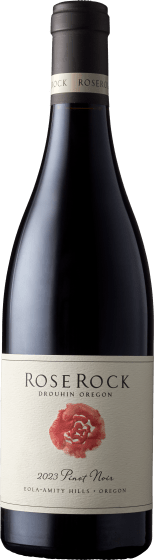 Eola-Amity Hills, Willamette Valley, Oregon ● Pinot Noir
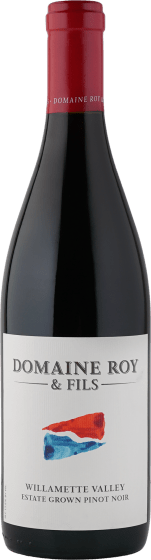 Willamette Valley, Oregon ● Pinot Noir