Theresa Heredia of Gary Farrell Q&A

In honor of Women's History Month, we spoke with some of the top women winemakers working in the industry today to learn more about them, their craft, and the wines they produce. Stay tuned throughout the month of March as we update this Women in Wine series with more interviews and be sure to check out our wine list featuring wineries who have women winemakers on staff.
Theresa Heredia, Winemaker at Gary Farrell Winery from Russian River Valley, California
As the winemaker at Gary Farrell Winery, Theresa practices a thoughtful, site-specific approach to her winemaking, giving each vineyard a voice to express its unique interaction of soil, vine, climate, and farming.
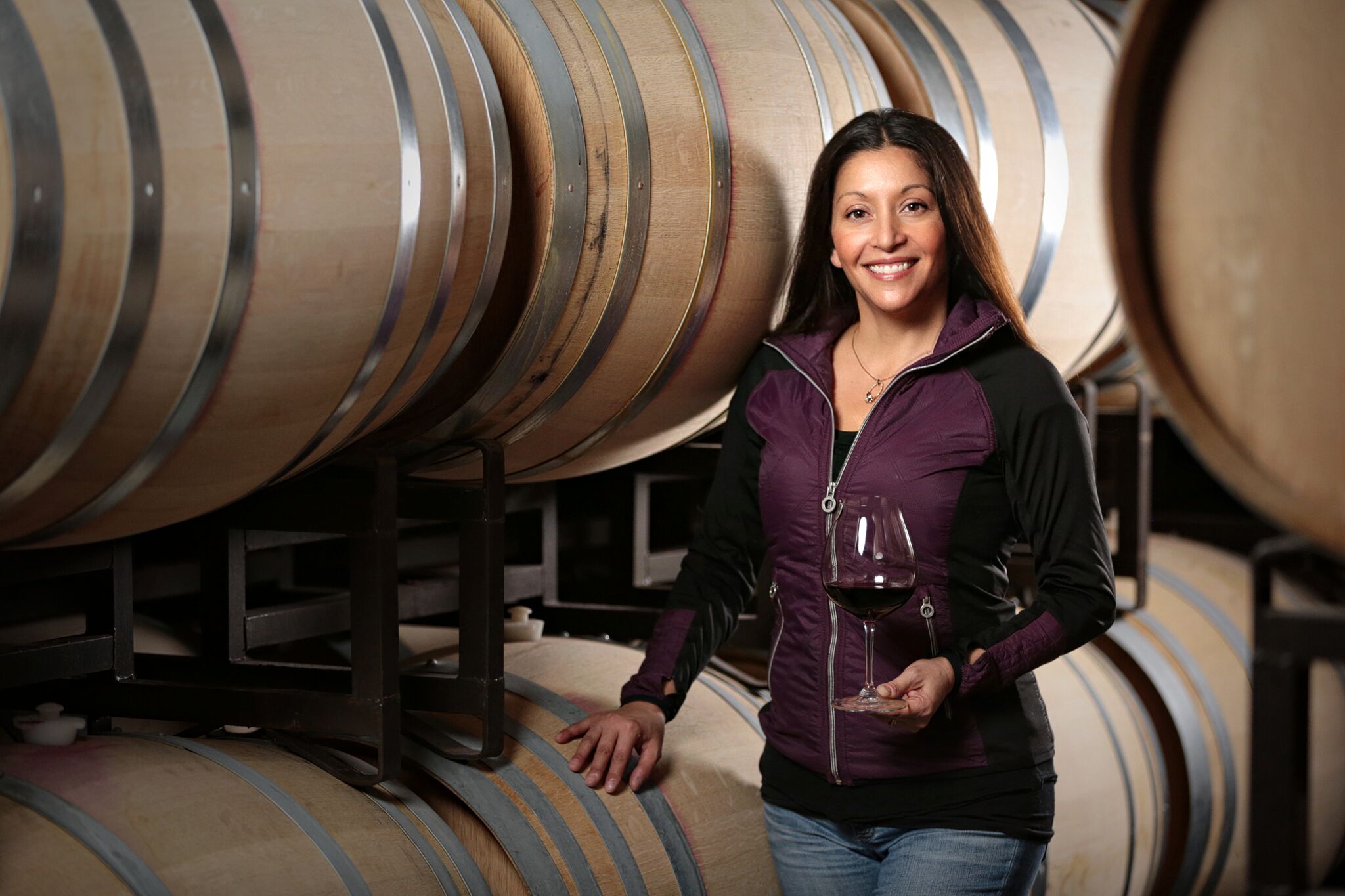
Theresa Heredia
Wine.com: When one thinks of Gary Farrell one thinks primarily of world-class Pinot Noir and Chardonnay, two varieties known for their uncanny ability to transmit their terroir straight to the glass. How challenging is it to know when take a step back and when to be more hands-on?
Theresa Heredia: I think this is probably a big challenge for many winemakers. It’s hard because we may feel that our hand is what makes the wine special and unique. While this may be partly true, my personal experience and training have taught me that respecting the terroir and the qualities of the fruit are really what allow a winemaker to capture a true sense of place. In my opinion, this means picking the grapes while the berries are still a little turgid, flavors are fresh and vibrant, and ample natural acidity is still present. Once in tank, we get the fermentation going and watch it evolve, tasting along the way, macerating only as needed to get the desired extraction. This requires familiarity with the site, the qualities of the fruit. Taking a step back and allowing the wine to develop without much intervention is a lot easier said than done when it comes to Pinot Noir. It requires a good amount of trust in your gut instincts.
W: Your emphasis on cool-climate single-vineyard wine requires you to be incredibly in-tune with the microclimates of each vineyard down to the smallest detail and its influence on the fruit; has climate change made this more challenging?
TH: Yes, indeed! Climate change has thrown us challenge after challenge over the past 10 years. We experienced a cold, foggy summer followed by sudden onset of extreme heat in 2010, then 2011 brought lots of rain, a very chilly summer, delayed harvest and early rain in October, making it difficult for grapes to ripen properly. 2012 was the beginning of a string of drought years and heat waves, and the crop that year was also quite large, which doubled the challenge for winemakers trying to scurry to pick grapes during a heat wave. 2013 and 2014 were fairly mild vintages here in Sonoma County, and the crop was plentiful, but in 2015, after back-to-back drought years, Mother Nature gave us a very miniscule crop of Pinot Noir, which left many growers and winemakers struggling to make ends meet, and caused grape prices to soar the following seasons. We can always count on Mother Nature to bring balance though. 2016 was another moderate season in terms of crop size and weather, but then 2017 brought us a big crop and a severe heat wave right at the onset of harvest. 2018 and 2019 both brought historically large crops, causing grape prices the following seasons to take a serious plunge. To say that climate change has made things challenging is an understatement. But as a winemaker, Mother Nature keeps me on my toes and makes it so that my job is always dynamic and exciting. Every vintage brings a whole new winemaking experience so there’s always room to learn.
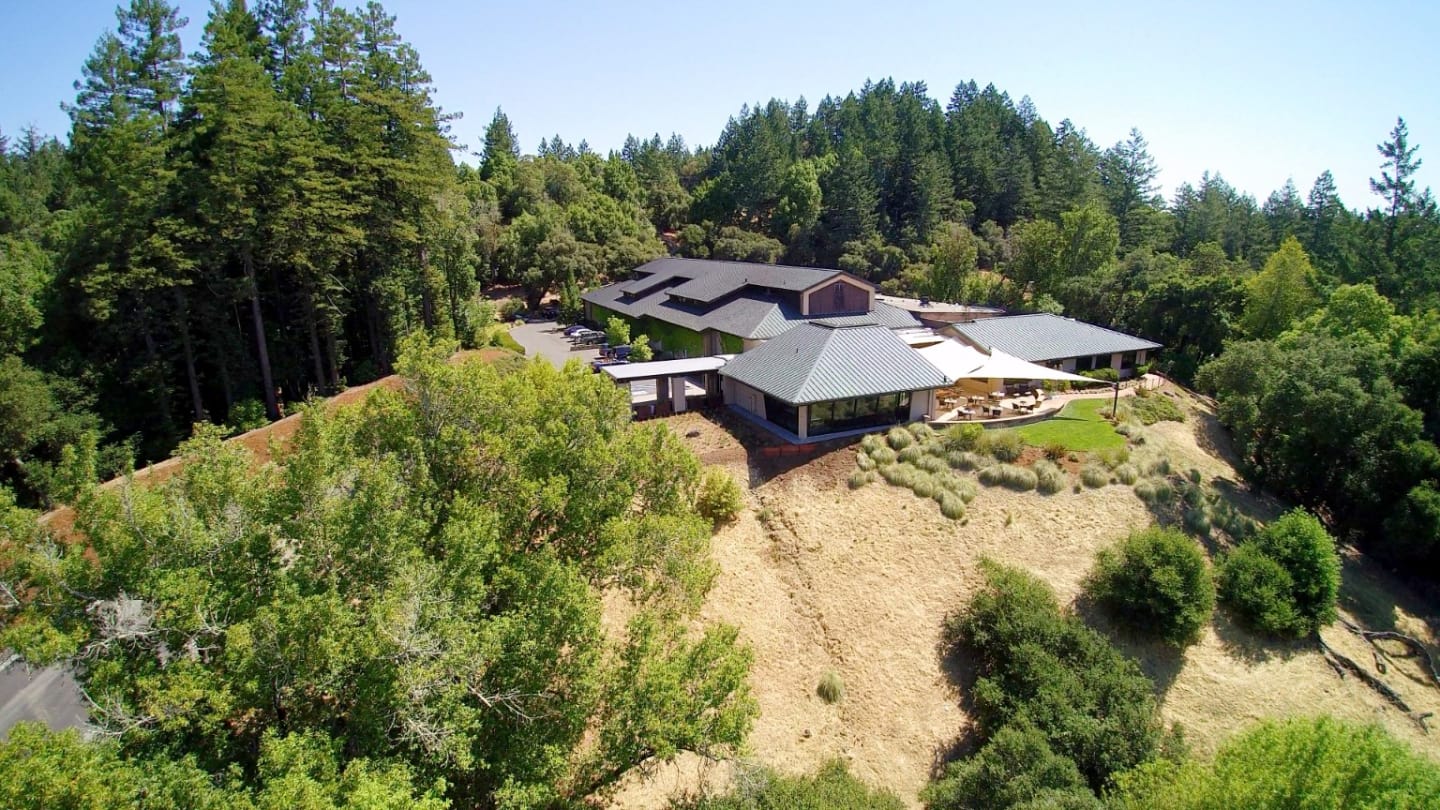
Gary Farrell Winery in the Russian River Valley
W: As a winemaker there is always a bit of risk in every decision you make, from harvest to bottling. What helped you develop the confidence to be a successful winemaker?
TH: The short answer to this question is that a couple decades of experience certainly builds confidence. Although I think it has more to do with passion, dedication to the long hours, organizational skills and trusting your gut, in addition to having years of experience learning from your own mistakes. In fact, I think I’ve learned more from my mistakes than I have from my successes, which is funny to think about. Some of these mistakes have actually turned into beautiful wines and enlightening learning experiences. We have one shot per year to make these limited releases. When we make picking decisions there’s no going back, so the harvest season can be very anxiety-provoking, but I find that relying on my gut and my vast and continually growing toolbox of experience helps me get through it.
W: What might people be surprised to know about your path to where you are now?
TH: I think many people would be surprised to hear that I’ve worked mostly with women throughout my winemaking career. Sure, I’ve worked with and for several men as well, but I’ve been surrounded by a surprising number of women throughout my twenty-year winemaking career. I was hired by women at both Joseph Phelps Vineyards and Gary Farrell Winery. In fact, our winery is mostly run by women in management positions. It’s incredibly inspiring to think about this.
W: What is one piece of advice you give to women looking to make a career in wine?
TH: My one piece of advice is to respect and support other women around you. We have a natural propensity for competition with one another and I think it’s important to recognize and honor this, but to keep it at a healthy level so that you can help lift each other up.
W: If you aren't sharing your own wine with someone, how do you pick a wine gift?
TH: I ask one of my best friends who is a Sommelier! We call her the Wine Oracle. Haha! Seriously, we do. But if I’m making the choice on my own, I either base it on the wine preferences of the individual receiving the gift, or I pick a wine that I love, and that I know is fairly user-friendly. Also, Champagne is always a great gift for just about anyone. ;)
Thank you, Theresa!
Stay tuned throughout the month of March for more interviews with women in wine and opportunities to shop wines from women winemakers. Cheers!