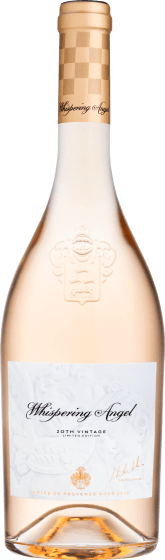
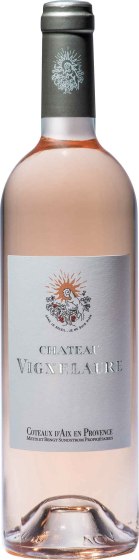
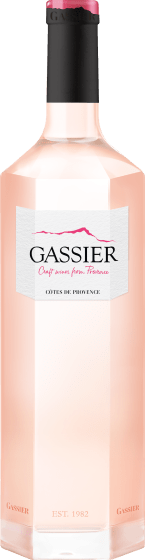
Rosé is usually made from red grapes in one of three ways: short skin contact (a few hours to a few days) before the juice is pressed off; direct press, where grapes are crushed and pressed at once for a very pale wine, as in Provence; or saignée, where some juice is bled off a tank of red wine. Most rosés are dry.
At a glance
Skin contact: a few hours to a few days on red grape skins, then pressed off.
Direct press: crushed and pressed at once, for the palest rosés, as in Provence.
Saignée: pale juice bled off a tank of red wine.
Any red grape can be used; most rosé is dry.
1. Skin Contact
The most common method uses red grapes and lets the juice sit on the skins during fermentation, but only for a few hours to a few days. Once the juice has picked up the color the winemaker wants, it is pressed off the skins and fermentation continues without them. These wines are typically fermented to dryness, as a great many rosés are.
2. Direct Press
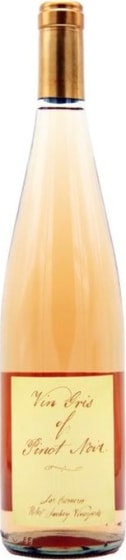
Direct press, made famous in Provence, crushes and presses the grapes at once, so the juice spends almost no time on the skins. The result is a very pale pink; depending on the light, a Provence rosé can look almost like a white wine. In France, very pale rosés made by pressing red grapes right away are called vin gris ("gray wine"). These are usually dry wines as well.
Cotes de Provence, Provence, South of France, France ● Rosé
92 Wilfred Wong
$25.99
$25.99
3. Saignée
Saignée means "bleeding". Red grapes are crushed and placed in a vat or tank, and after a short time picking up color from the skins, some of the still-pale juice is run (bled) off. This does two things at once: it produces a light rosé, and it concentrates the red wine left in the tank.
4. Grapes Used for Rosé
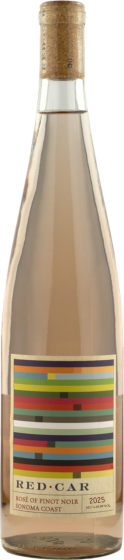
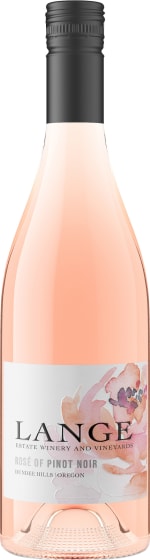
Any red grape can be used to make rosé, and many are. In Provence and elsewhere in southern France, rosés are often blends that may include Grenache, Cinsault, Mourvèdre, Syrah and even Cabernet Sauvignon. Single-variety rosés are plentiful too: rosé of Pinot Noir comes from places as different as France's Loire Valley, Oregon, California and New Zealand. Below, three Pinot Noir rosés from California and Oregon, including one labeled vin gris.
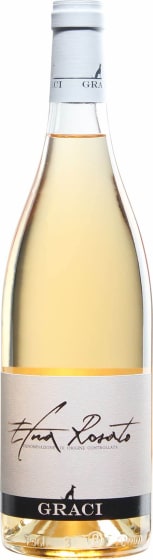
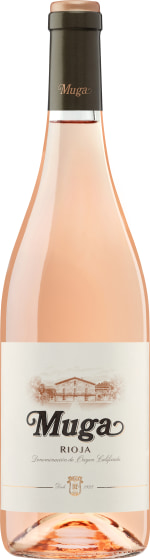
Rosé goes by different names around the world: rosato in Italy, rosado in Spain and Weissherbst in Germany. Some are labeled with the word "white", as in White Zinfandel, or simply called blush; those two often indicate a sweet or semi-sweet wine. But most rosés are dry. Below, an Italian rosato and a Spanish rosado.
Rosés vary widely in how, where and from what they are made, but dry rosés share a crisp character, light to medium body and flavors that run from strawberry and watermelon to bubble gum and peach. They make a refreshing aperitif, especially on a warm day, and they are versatile with food, pairing nicely with seafood, poultry, charcuterie and more. Shop all rosé.
Rosé Winemaking Questions, Answered
Is rosé wine sweet?
Most rosé is dry. Wines labeled White Zinfandel or blush often indicate a sweet or semi-sweet style.
What grapes are used to make rosé?
Any red grape can be used. Provence and southern French rosés are often blends of Grenache, Cinsault, Mourvèdre, Syrah and even Cabernet Sauvignon; single-variety rosés of Pinot Noir are also common.
What is saignée?
French for "bleeding": red grapes are crushed into a tank, and after a short time some pale juice is run off. It makes a light rosé and concentrates the remaining red wine.
What is vin gris?
French for "gray wine": a very pale rosé made by pressing red grapes right away, with almost no skin contact.
What is rosé called in other countries?
Rosato in Italy, rosado in Spain and Weissherbst in Germany.