Wines Similar to Sancerre, Explained: Styles, Regions, and What to Buy
Sancerre ranks among the Loire Valley's most sought-after white wines. Made entirely from Sauvignon Blanc grown on hillside villages in eastern France, it built its name on bright acidity and a stony, mineral snap that many drinkers chase but few regions match. The style it defines reaches well beyond its home, into neighboring French appellations and cool-climate vineyards around the world.
Sancerre at a Glance
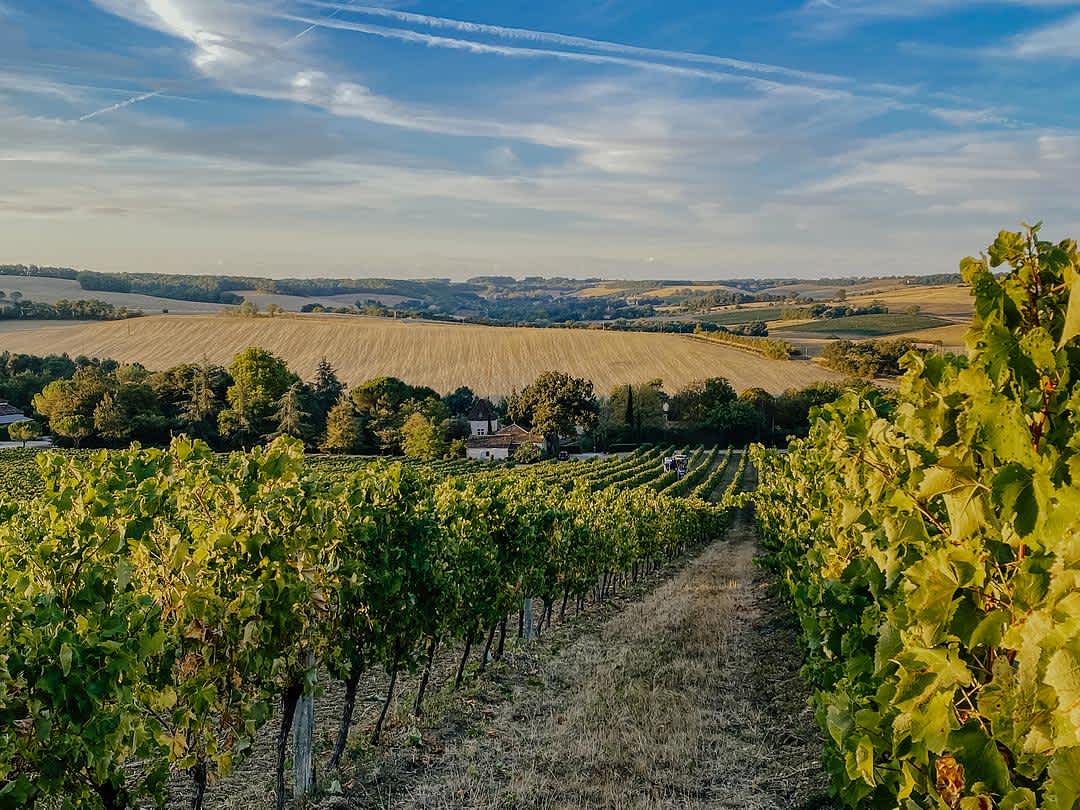
Sancerre sits on the eastern edge of the Loire Valley, where a cluster of villages faces the river across steep, chalky slopes. The climate here is cool and continental, with warm days and cold nights that ripen the grapes slowly while holding onto acidity. That balance is the backbone of the region's Loire Valley Sauvignon Blanc.
Three soil types shape the wine. Kimmeridgian limestone, a marine deposit packed with ancient fossils, gives many Sancerre wines their taut, saline edge. Flint, known locally as silex, pushes the wine toward a smoky, gunflint character, while patches of clay add roundness and weight to the mid-palate.
Vine age plays a quieter role that serious growers watch closely. Vine yields drop and flavor concentration increases significantly after vines reach 10 to 15 years of age, which is why older parcels command attention.
The result is a white wine built on tension rather than ripeness. Fruit is present, but it plays a supporting part behind the acidity and stone that give Sancerre its shape.
Minerally is the catch-all term for the stony, saline, almost wet-rock sensation you find in wines like Sancerre. It is less a flavor you can bite into than an impression, part aroma and part texture, that reads as cool and clean on the palate.
How These Wines Taste
The Sancerre style leads with acidity. Take a sip and you notice a bright, mouthwatering snap first, then citrus notes of lemon and grapefruit. Fruit stays in the background, reading more as suggestion than statement.
That restraint leaves room for the stony, chalky minerality the region is known for. Underneath the citrus you often find green, herbal tones: fresh-cut grass, blackcurrant leaf, a whisper of white pepper. The texture stays lean and precise, and the finish closes with a saline, almost briny lift.
That saline echo is a signature of the style. It is subtle, but it keeps you reaching for the next sip.
This is a wine of cut, not weight. New Zealand Sauvignon Blanc pushes the other way, especially from Marlborough, leaning toward tropical fruit like passionfruit and guava in a fuller, juicier body.
Both wines start from the same grape and share its natural zing. The Sancerre style simply trades exuberance for tension and a stronger sense of place.
The Loire's Best-Kept Neighbors
Sancerre does not sit alone. The same grape and similar soils turn up in a ring of nearby Loire appellations, many of them less famous and easier on the wallet. If you like what Sancerre does, these neighbors offer the same character with small, worthwhile twists.
1. Menetou-Salon
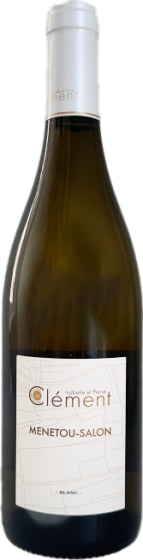
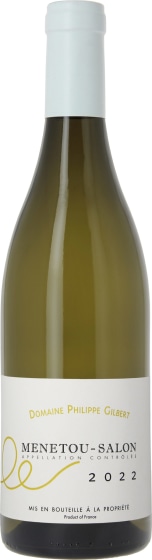
Menetou-Salon lies just west of Sancerre and sits on the same band of Kimmeridgian limestone. That shared bedrock gives its Sauvignon Blanc a familiar profile: crisp acidity, citrus, and a clean mineral streak. The wines tend to run a touch softer and more floral than Sancerre itself.
For years the appellation flew under the radar, which kept both attention and prices low. It usually costs less than Sancerre, so it makes a smart first step for anyone starting to explore the region.
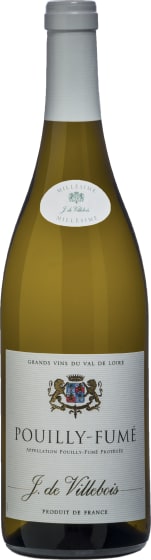
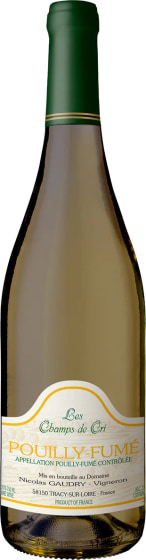
Pouilly-Fumé sits directly across the Loire River from Sancerre, close enough that the two are easy to confuse. Its vineyards lean heavily on flint, or silex, which lends a smoky, gunflint quality that inspired the "Fumé" in its name. Here Sauvignon Blanc even goes by a local nickname, Blanc Fumé.
In style and price the wines run close to Sancerre, often with a rounder, smokier edge. If you love Sancerre but want a little more weight on the palate, this is the first place to look.
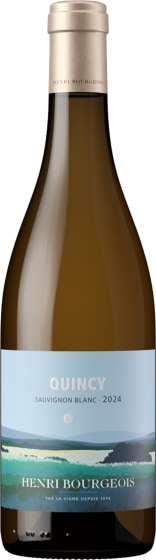
Quincy and Reuilly sit farther west, on lighter soils of sand and gravel. Quincy earned one of France's earliest appellation titles, and its Sauvignon Blanc comes across as zesty, direct, and built for early drinking. Reuilly covers similar ground but also makes delicate rosé and some Pinot Gris, the grape known elsewhere as Pinot Grigio.
Both appellations stay light and brisk, with less of the mineral intensity you get closer to the limestone. They often land under $30, which makes them easy everyday pours.
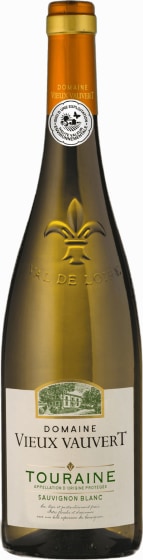
Touraine stretches across the central Loire and covers far more ground than the Sancerre villages. Its Sauvignon Blanc is fresh and unfussy, with bright citrus and a grassy lift. These are wines made for everyday drinking rather than long cellaring.
Prices here rank among the friendliest in the Loire. That makes Touraine a reliable pick when you want the crisp, green style without the splurge.
Beyond the Loire: International Wines with Sancerre Character
The Sancerre template travels well. Cool climates, steep hillsides, and mineral-rich soils show up far from the Loire, and winemakers in several countries chase the same taut, stony style. Three regions stand out for how closely they echo it.
1. Austrian Styria
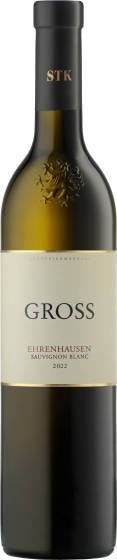
Styria, known in German as Südsteiermark, occupies the cool, steep hillsides of southern Austria. Sauvignon Blanc has become the region's calling card, grown on slopes so sharp that much of the work still happens by hand. The results are intense and piercing, with a mineral drive that lands very close to Sancerre.
The best sites push acidity and stony precision to the front, much like the top Loire hillsides. Expect prices in the same range as good Sancerre, and sometimes a little higher.
2. Northern Italian Sauvignon Blanc (Alto Adige and Friuli)
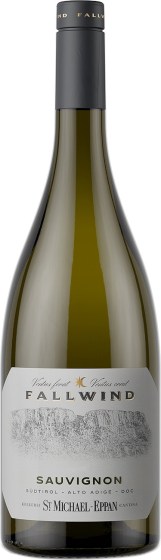
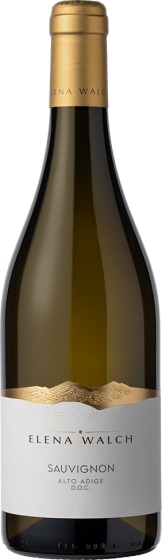
Alto Adige, in Italy's far north, climbs high into the Alps on steep, sun-lit slopes. Cool mountain nights lock in acidity and give the Sauvignon Blanc a racy, fruity precision. Neighboring Friuli works in a similar register, turning out crisp, aromatic whites with a clean mineral finish.
Alto Adige also answers to a German name, Südtirol, a nod to its Alpine culture and history. These wines feel a touch more fruit-forward than Sancerre, though the underlying tension is familiar.
Pricing tends to sit in the mid-range, on par with the better Loire neighbors. For a wine lover who likes precision with a little extra ripeness, the region is an easy recommendation.
3. South African Sauvignon Blanc (Cool-Climate Regions)
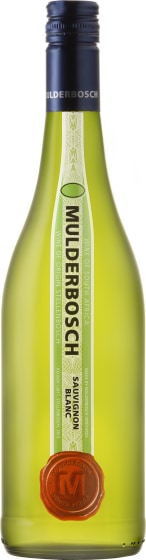
South African Sauvignon Blanc has found its sharpest expression in cool-climate pockets like Elgin and the Cape South Coast. Ocean breezes and higher elevations keep the grapes cool, which preserves acidity and adds a saline snap. The best examples come across as pure, minerally, and racy, a bit like Sancerre with a little more body.
Value is a real draw here. These wines often deliver serious quality below the price of their French cousins.
High acidity makes these wines some of the most food-friendly whites you can pour. They cut through richness and refresh the palate, flattering fresh green flavors without overpowering them.
The saline, herbal edge also loves anything from the sea or the garden. A few pairings work especially well.
Goat cheese: the classic Loire match, where the wine's acidity slices through the cheese's tang and chalk
Oysters and shellfish: the saline finish mirrors the brine, making raw bar plates and crab sing
Green salads and vinaigrette: sharp dressings that flatten other wines find a natural partner here
Lighter poultry: roast chicken, turkey, or herbed cutlets sit comfortably against the wine's cut
Sushi and sashimi: an unexpected star, since the crisp acidity refreshes between bites of raw fish and rice
Sancerre Alternatives, Answered
What Is the Closest Wine to Sancerre?
For the closest match, look just across the river to Pouilly-Fumé. It uses the same grape on similar flinty soils, so the styles overlap almost completely. Menetou-Salon runs a very close second, sharing Sancerre's limestone and its citrus-mineral profile at a lower price. If you want the character without the famous name, either of these is a safe bet.
Why Is Sancerre So Expensive?
Sancerre's best vineyards sit on steep hillsides that must be worked largely by hand, which raises the cost of farming. The most prized sites are also in high demand, and their low yields mean less wine to sell. Single-vineyard bottlings typically yield 1 to 2 tons per acre versus 4 to 6 tons for broader regional blends. That gap in volume, combined with the region's global reputation, keeps prices firm.
Is Pouilly-Fumé Cheaper Than Sancerre?
Not usually. Pouilly-Fumé sits in the same price bracket as Sancerre, since both enjoy strong reputations and limited vineyard land. If you are hunting for a better deal, look to Menetou-Salon, Quincy, or Touraine instead. Those appellations offer a similar style for noticeably less.
What Does "Minerally" Mean in Wine?
Minerally is shorthand for the stony, saline sensations that show up in wines like Sancerre. Think wet stone, crushed shell, or the smell of rain on pavement rather than a specific fruit. It often overlaps with high acidity and a clean, cool finish. The term is loose, but most drinkers recognize the feeling once they taste it.
Are There Non-French Wines Similar to Sancerre?
Yes, and several are worth seeking out. Austria's Styria produces piercing, mineral Sauvignon Blanc from steep, cool hillsides. Northern Italy's Alto Adige and Friuli offer racy, high-altitude whites, while cool-climate South Africa delivers a pure, saline style with a bit more body. Each takes the Sancerre idea and bends it to its own landscape.
Where to Start with Sancerre Alternatives
You now have a clear map. For a weeknight dinner that won't strain the budget, reach for Touraine or Quincy and their bright, easy citrus. Want Sancerre's smoky depth for a special oyster spread? Pouilly-Fumé delivers it, and Menetou-Salon covers similar ground for less.
The Sancerre style stretches well past France, from the Alpine slopes of Alto Adige to the ocean-cooled vineyards of South Africa. Wine.com brings these regions together in one place. With the world's largest wine selection, you can compare them side by side and taste your way across the whole style.