The Sweet Wine Guide for Moscato Lovers Branching Out
Loving Moscato d'Asti is a fine place to begin, not a habit to grow out of. The path forward is not a leap into bone-dry reds but a gentle series of small steps, each one keeping the sweetness and fruit that made Moscato feel like home. There is a whole ladder of sweeter styles waiting, and every rung is easy to reach.
Understanding What Makes Moscato So Easy to Love
Think of Moscato like ripe peaches in a glass, with a soft fizz and just enough sweetness to feel like a treat. That combination of sweetness, ripe fruit, gentle bubbles, and low alcohol is exactly why it wins people over so quickly. The best way to branch out is to stay close to those qualities and ease the sweetness down a little at a time, keeping what you love along the way.
What "Sweet" Actually Means on a Wine Label
Sweetness in wine comes from residual sugar, which is simply the natural grape sugar left in the bottle after fermentation stops. Winemakers can leave a lot of sugar, a little, or almost none, and that choice sets where a wine lands on the scale from dry to dessert. A helpful reference point is the German scale, which sorts wines by grams of sugar per liter: Trocken means dry, Halbtrocken means half-dry, Lieblich carries noticeable sweetness, and Süss is fully sweet.
"Off-dry" means a wine with just a touch of sweetness: not sugary, but far from bone-dry. It is the friendly middle ground where a Moscato lover feels most at home.
One thing worth clearing up: ripeness and sweetness are not the same. A wine can taste of ripe, juicy fruit while still being fairly dry, which is why some bottles surprise you.
Why You Don't Have to Jump Straight to Dry
There is no rule that says the next bottle has to be dry to count as progress. You can nudge the sweetness down by half a step, enjoy it for a while, then nudge again when you feel ready. This makes the whole thing low-risk, which matters when you are picking a bottle for a partner or choosing a gift you want them to actually like.
Aromatic Whites: The Most Natural Next Step
Aromatic whites are the closest cousins to Moscato, packed with flowers and orchard fruit you can smell before you sip. Many of them can keep a touch of sweetness, so the leap feels small. They are the friendliest doorway out of pure Moscato territory.
1. Off-Dry Riesling
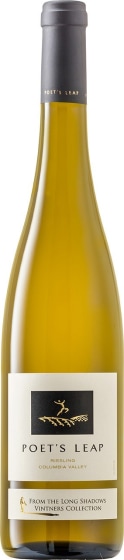
Riesling is one of the most flexible white grapes, ranging from bone-dry to lusciously sweet, so the label matters. An off-dry style, sometimes labeled Kabinett, keeps a gentle sweetness while adding bright, refreshing acidity that keeps each sip lively. Expect flavors of peach, apricot, and citrus, the kind of ripe fruit a Moscato drinker already loves. One tip: lower-alcohol Rieslings tend to carry more sweetness, since the sugar that would have become alcohol stays in the glass instead. That balance of sweet fruit and fresh acidity makes it feel like Moscato with a little more polish.
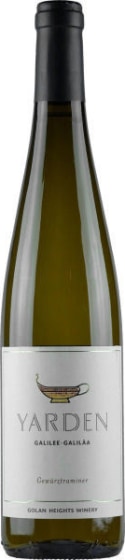
Gewürztraminer is one of the most aromatic grapes in the world, and its name is a mouthful worth learning: you will sometimes see it spelled without the umlaut, but it is the same grape. The perfume leans floral and exotic, with lychee, rose petal, and ripe stone fruit filling the glass. It often carries a hint of sweetness alongside a fuller, rounder body, which makes it feel like a grown-up version of Moscato while staying easy to enjoy. If your Moscato lover likes big, fragrant flavors, this one rarely misses.
Some of Moscato's charm is the fizz and the sense that a glass is a small celebration. If that is the part your wine lover would miss most, there is no need to give it up. A whole family of sweeter sparkling and pink wines keeps the bubbles and the fun.
1. Sweet Sparkling Wines
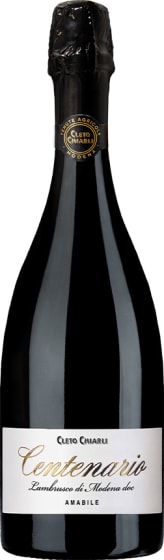
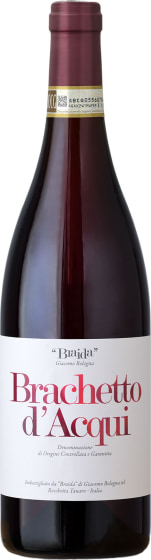
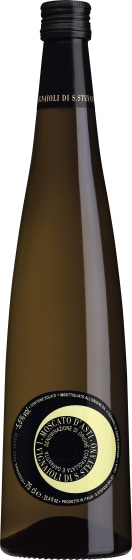
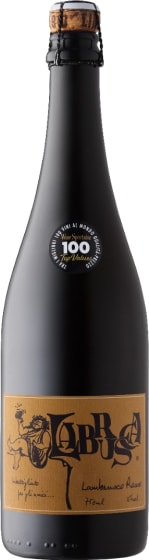
Sweet sparkling wines come in more shapes than most people expect, and each keeps things light and fruity. Lambrusco is a lightly sparkling red, gently fizzy rather than fully bubbly, with juicy berry flavor. Brachetto d'Acqui is a frothy sweet red from Piemonte in Italy, low in alcohol and full of strawberry charm. Asti and Moscato d'Asti come from the same corner of Italy and are made from the Muscat grape, the same family behind Moscato itself, so they feel instantly familiar. Moscato d'Asti in particular is famously gentle, sitting around 5% alcohol, far lower than most wines on the shelf.
Sweet rosé keeps the pretty pink color and the fruit-forward personality that make it such an easy pour. Off-dry and sweet styles taste of strawberry, raspberry, and watermelon, with just enough sugar to feel soft and welcoming. A gently sweet Moscato d'Asti in the pink family bridges the gap beautifully, since it holds onto the familiar fizz and sweetness. For someone testing the waters, a chilled glass of sweet rosé feels like a natural cousin to the wine they already reach for.
The last two steps open up reds and dessert wines, and both can fit a sweet palate. Soft, fruity reds are the gentle entry point for anyone curious about red but wary of it. Dessert wines sit at the richest end, saved for a special pour.
1. Soft, Fruity Reds
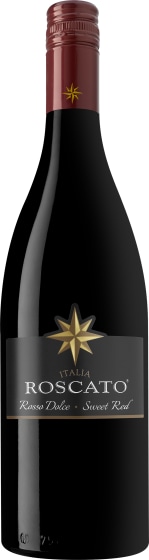
An unlikely match on paper, red wine and a sweet-wine drinker can get along better than you would think. The trick is choosing reds that are soft and low in tannin, the drying, slightly grippy sensation that makes some reds feel harsh on the gums. Sweet red wine styles lean into ripe berry and plum flavor with little of that grip, so they feel plush rather than austere. Lightly sparkling reds also live here, adding a familiar fizz to ease the transition. Start soft, and red wine stops feeling like a wall.
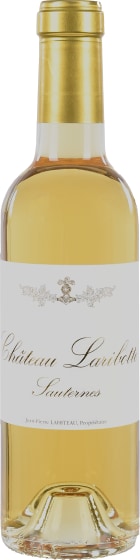
Dessert wines are the sweetest tier of all, made for slow sipping on a special occasion. Sauternes is a rich sweet wine from France, made from grapes affected by a beneficial mold that concentrates their sugar. Ice wine is pressed from grapes left to freeze on the vine, and late-harvest wines come from fruit picked extra ripe. These are intense and concentrated, so a small pour goes a long way, filling just the bottom of the glass. Treat them as liquid dessert and they rarely disappoint.
Sweeter wines are some of the most food-friendly bottles you can open, and a few simple guidelines make them shine. The classic move is to lean into contrast and temperature, then let the wine do the rest. Here is what to keep in mind when you plan a pairing.
Spicy dishes: a little sweetness cools the heat in Thai, Indian, or spicy takeout, making sweet and off-dry wines a natural fit
Salty and rich foods: salty cheese, fried bites, and charcuterie play off the fruit and sugar for an easy contrast
Fresh fruit and light desserts: berries, stone fruit, and simple cakes echo the wine's own flavors without overwhelming them
Serving temperature: chill sweeter whites, sparklers, and rosés well, around 40–45°F, so they taste crisp rather than syrupy
The spice and sweet trick: when a dish has heat, reach for a touch of sweetness in the glass and watch both taste better
Sweet Wine Questions, Answered
What Wines Are Most Like Moscato but a Little Less Sweet?
Off-dry Riesling and Gewürztraminer are the closest matches, since they keep the ripe fruit and floral perfume while trimming the sugar just a little. Both offer that familiar orchard-fruit character, so the change feels gentle. A Moscato d'Asti also stays in the family, since it comes from the same Muscat grape. Any of these lets you step down in sweetness without stepping away from what you love.
How Do I Help Someone Ease Off Sweet Wine Without a Jarring Jump?
Go one small step at a time and keep the qualities they already enjoy. Start with an off-dry white that still tastes fruity, then try a slightly drier bottle a few weeks later once that feels comfortable. Keeping the fizz with a gently sparkling wine also softens the change. There is no deadline here, so let their taste lead the pace.
Can a Moscato Lover Actually Enjoy Red Wine?
Yes, as long as you start with the right reds. Soft, fruity reds with low tannin skip the drying, grippy feeling that turns many newcomers off. Lightly sparkling reds are especially easy, since they carry a familiar fizz. Begin there, and red wine can become a welcome part of the rotation.
What Do "Off-Dry" and "Residual Sugar" Really Mean?
Residual sugar is the natural grape sugar left in a wine after fermentation, and it is what makes a wine taste sweet. Off-dry describes a wine with just a hint of that sweetness: noticeably softer than a dry wine, but far from a dessert wine. Together they explain why one bottle tastes sugary and another tastes crisp. Watching for these on a label helps you pick with confidence.
How Sweet Should I Go, and What Should I Serve It With?
Match the sweetness to the moment and the person's comfort level, then adjust from there. A gently off-dry wine suits an everyday dinner, while a richer dessert wine fits a celebration or the end of a meal. Serve sweeter whites and sparklers well chilled so they taste fresh, and lean on spicy or salty foods for easy contrast. When in doubt, start a touch sweeter and let their reaction guide the next pour.
Your Next Bottle
Keep this simple cheat sheet in mind: begin with an off-dry Riesling to trim the sweetness while keeping the fruit, hold onto the fizz with a Lambrusco or Moscato d'Asti when the mood calls for bubbles, and try a soft, fruity red once red wine feels less intimidating. Save the dessert wines for a special night, poured small. Each step keeps what made Moscato lovable while opening the door a little wider.
Wine.com carries the world's largest wine selection, with thousands of sweet and off-dry bottles across every style covered here, so there is always a comfortable next step to try. Whether the craving is for a fragrant white, a fizzy pink, or a plush red, the range makes it easy to find one that fits.
When you are ready to help someone take that next step, browse sweet wines at Wine.com and pick out a bottle that stays close to what they already love.