Wine Regions, Explained: Taste, Value, and What to Buy
A wine region is a legal boundary that dictates which grapes can be planted, how they are farmed, and how the finished wine is aged. Treat that name as trivia and you miss its real job: region is the single most reliable buying signal on any label, a shortcut to how a wine tastes and what it costs. Beneath one name sits real range: Old World restraint or New World power, an everyday value or a serious cellar wine.
Why Wine Regions Matter
A Chardonnay grown in Chablis and one grown in Napa come from the same grape and taste almost nothing alike. Cool limestone pulls one toward tension and citrus; warm valley floor pushes the other toward ripe fruit and weight. Region encodes climate, the grapes a place is allowed to grow, and the cellar rules that follow, so the name predicts both the flavor and roughly the price.
How Place Shapes What's in the Glass
Climate sets the baseline. Warm regions ripen fruit fully, giving fuller-bodied wines with higher alcohol and softer acidity, while cool regions hold onto acid and produce leaner, more nervy wines. The same grape can read as plush in one place and taut in another, and the region tells you which to expect.
Soil and tradition do the rest. Limestone and slate drain well and push roots deep, concentrating flavor, while heat-holding soils help grapes ripen in marginal climates. Centuries of local rules then lock in which grapes go where and how long a wine ages, turning a place name into a reliable style.
Old World vs. New World: Why Labels Differ
The biggest source of shelf confusion is a labeling split. Old World bottles from Europe usually name the place and expect you to know the grape, while New World bottles from the Americas and beyond name the grape up front. For a fuller breakdown of that divide and how to read either style, see our guide to Old World and New World labels.
A Buyer's Tour of Key Wine Regions
Five regions cover most of what a Wine Regular reaches for, and each reads differently on the shelf. Learn their house styles and you can predict the glass before the cork is out.
1. Bordeaux, France
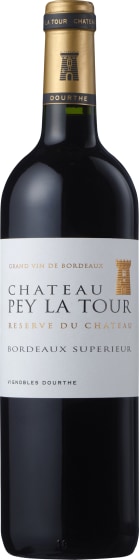
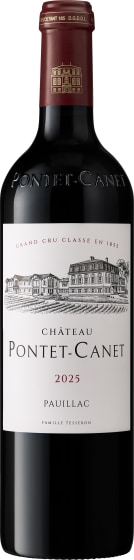
The wines of Bordeaux split across the Gironde estuary, and that divide tells you most of what you need. Left Bank reds from Pauillac and Saint-Estèphe lead with Cabernet Sauvignon, which brings firm tannin, cassis, and graphite that reward a decade in the cellar.
The Merlot-driven Right Bank, home to Pomerol and Saint-Émilion, drinks softer and sooner, with plush plum and cocoa. Regional Bordeaux and Bordeaux Supérieur bottlings deliver that house style at an everyday price, which makes the region a rare span from weeknight red to cellar candidate.
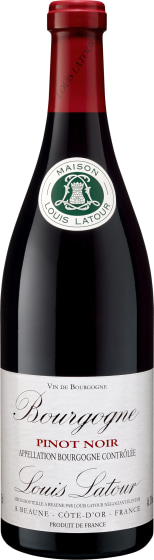
Burgundy runs on two grapes and a strict hierarchy. Its red Pinot Noir trades power for finesse, showing red cherry, forest floor, silky tannin, and bright acidity, and village and regional bottlings offer that style without the Grand Cru price.
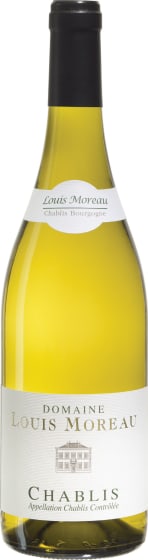
White Burgundy is Chardonnay at its most mineral, ranging from steely Chablis to the richer Côte de Beaune, with green apple and crushed stone. The regional Bourgogne tier is where a Wine Regular finds real value before stepping up to Premier Cru.
Montagny, Cote Chalonnaise, Burgundy, France ● Chardonnay
94 James Suckling
92 Wilfred Wong
$43.99
$43.99
3. Tuscany, Italy
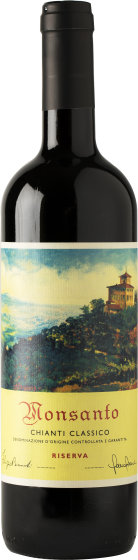
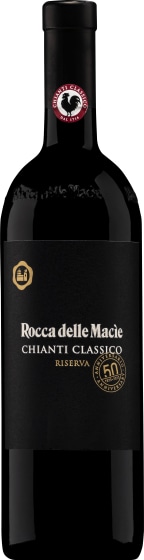
Tuscany is Sangiovese country. Chianti Classico shows the grape's savory side, with tart cherry, dried herb, and a leathery edge, and the Riserva and Gran Selezione tiers signal longer aging and higher ambition.
In Montalcino the same grape, known locally as Brunello, turns denser and more structured, built to age for decades. Bolgheri's Cabernet-based Super Tuscans offer a richer, more international style for those who want power over restraint.
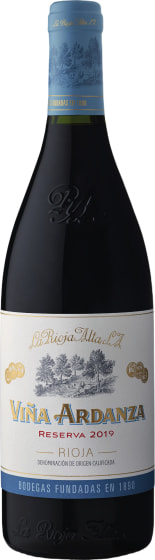
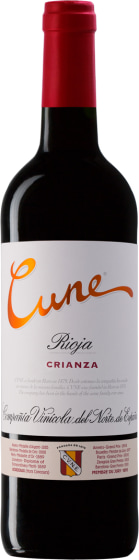
Rioja sells you its aging right on the label. Tempranillo is the backbone, and the Crianza, Reserva, and Gran Reserva tiers tell you how long a wine spent in oak and bottle before release.
A Reserva delivers dried fig, sweet vanilla, and tobacco from years in barrel, while younger, modern styles keep the fruit fresh and the oak light. Few regions make quality this easy to read from the shelf.
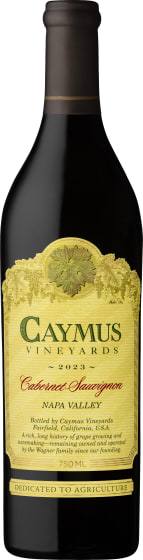
Napa Valley built its name on Cabernet Sauvignon, and the valley's warm days concentrate the grape into something rich and full-bodied: ripe black fruit, sweet oak, and a plush, mouth-filling texture. It is the New World benchmark for the variety.
Hillside AVAs like Stags Leap and Howell Mountain command a premium for firmer tannin and finer detail. Valley-floor bottlings offer the same Napa signature at a friendlier price, which makes the region easy to buy up or down.
The gap between a $15 bottle and a $150 one rarely comes down to the grape. It comes down to how hard the vineyard is pushed for volume and how much the winery spends finishing the wine.
1. Everyday Value (Under $25)
Value regions keep prices low by farming for volume. Single-vineyard bottlings typically yield 1–2 tons per acre, while the broad regional blends behind most value wines pull 4–6 tons from the same ground, and higher yields spread the cost of farming across far more bottles.
Familia Torres works at exactly this scale across Catalonia, turning large, well-farmed vineyards into reliable everyday wine. Regions like Languedoc, Mendoza, and Vinho Verde follow the same logic, trading the concentration of low yields for approachable pricing and easy drinking.
The premium tier is where winemaking spending shows up in the glass. New French oak barrels run $1,200 or more each, and a producer who buys fresh barrels every vintage folds that cost into every bottle, which is a large part of why a $50 wine outruns a $15 one.
Castello di Monsanto ages its Chianti Classico in oak to build structure without burying the fruit, the kind of program this tier pays for. Premium reds here are rarely a single grape either: a few percent of Merlot or Cabernet rounds out Sangiovese's edges, adding mid-palate flesh and softening the tannin.
At the top of the market, you are often paying for patience. Premium Bordeaux first growths typically require 15–25 years before reaching peak drinking, so the price reflects a wine built to improve for a generation, not to open tonight.
Château Latour anchors this tier as a study in age-worthy structure, the sort of bottle collectors buy on release and cellar for decades. A collectible wine is a bet on time: buy it now, hold it, and let firm tannin and low pH slowly resolve into something you cannot buy already mature.
Oakville, Napa Valley, California ● Bordeaux Red Blends
97 Decanter
96 James Suckling
95 Robert Parker
94 Jeb Dunnuck
92 Vinous
92 Wine Spectator
$499.99
$499.99
How to Buy by Region: Taste and Budget
Once you know what a region signals, buying becomes a short series of decisions. Work through them in order and the wall of bottles narrows fast.
Start from a style you already like: bold, full-bodied reds point to Napa or Bordeaux's Left Bank, while lighter, savory reds point to Burgundy or Chianti Classico
Read the region as a price cue: famous appellations command a premium, while the regional tier around them offers a similar house style for less
Use classification as a quality shortcut: labels like Reserva, Riserva, and Premier Cru signal how long a wine aged and how selective the fruit was
Let vintage matter only when it should: for age-worthy reds from cooler, variable climates the year shapes how the wine drinks, but for value bottles the region alone is enough
Wine Region Questions, Answered
Do more prestigious regions always mean better wine?
Not always. Prestige reflects demand and scarcity as much as what is in the glass, and plenty of lesser-known regions deliver comparable quality for far less. A famous appellation raises the floor, so a disappointing bottle is rarer, but it also raises the price. The smarter move is to match the wine to the occasion, since a mid-tier region often outperforms a prestigious one at the same spend. Reputation is a useful filter, not a guarantee.
How do I pick a region based on wines I already like?
Start with the grape and the style in the bottle you enjoyed, then find the regions that specialize in it. If you love bold Cabernet Sauvignon, Napa and the Left Bank of Bordeaux are natural next steps, and if you prefer lighter, earthy reds, Burgundy and Chianti Classico deliver. Climate is the shortcut here: warm regions make riper, fuller wines, while cool regions make leaner, higher-acid ones. Once you know whether you lean warm or cool, half the map falls away.
Which wine regions give the best value for the money?
The best value tends to come from regions with the right grapes but less name recognition. Spain's Rioja and Ribera del Duero, southern France's Languedoc, Argentina's Mendoza, and Portugal's Vinho Verde all punch above their price. They often sit next to famous appellations or use the same grapes at a fraction of the cost. Value also hides in the regional tier of prestigious areas, like a basic Bourgogne or a Bordeaux Supérieur.
Does the vintage matter as much as the region?
It depends on what you are buying. For everyday wines meant to drink young, the region and producer matter far more than the year. For age-worthy reds from cooler, variable climates like Bordeaux or Burgundy, vintage swings can be dramatic and worth researching. Warmer regions tend to be more consistent from year to year, so vintage becomes less of a gamble there. As a rule, the more you spend and the longer you plan to cellar, the more the vintage counts.
Where to Start with Wine Regions
You now have a working shortcut for the shelf. Reach for a Rioja Reserva when you want a confident, oak-aged red for a weeknight roast, turn to Burgundy when the meal calls for finesse over power, and lean on a value region like Languedoc or Mendoza when you are exploring without overspending.
That logic scales as far as your curiosity does. Wine.com carries more than 16,000 wines across every region in this guide, from everyday bottles to first-growth Bordeaux, so the next step is always in stock.
Browse wine by region at Wine.com and put the region-to-style-to-price framework to work on your next order. Start with a region you know well, then use it as a springboard to one you don't.