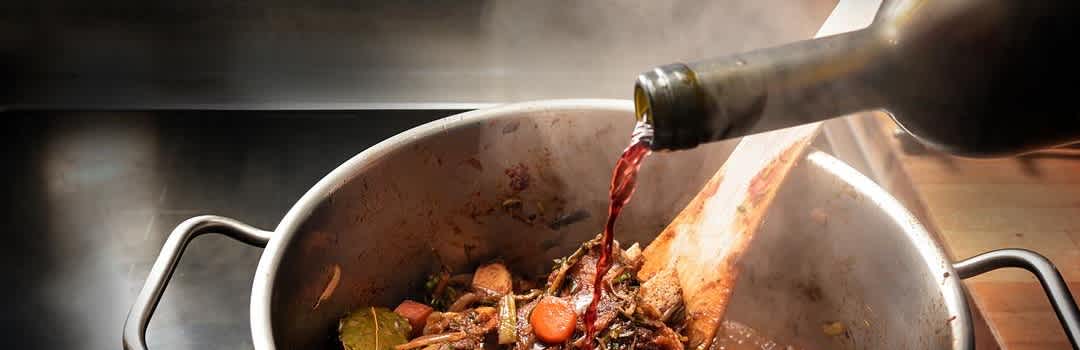
Braised short ribs are rich, fatty, and deeply savory, slow-cooked until the meat falls off the bone. The wine that matches them is a full-bodied red with firm tannin and bright acidity. That single combination does the work: the tannin cuts the fat while the acidity keeps every bite lively.
The Braised Short Rib Pairing at a Glance
The fat and collagen in braised short ribs are the whole reason this dish needs a specific kind of wine. That richness coats your mouth, and tannin is what scrapes it clean between bites. A red wine with firm tannin resets your palate so the second bite tastes as good as the first. Without it, a soft, low-tannin wine can feel flabby against all that meat.
Acidity does the second job. Braised short ribs come with a savory, reduced sauce built from stock, wine, and aromatics, and that sauce needs a bright counterpoint to keep it from turning heavy. A wine with good acidity lifts the dish instead of sinking into it. Then there is the fruit: dark, concentrated flavors like black cherry and plum match the deep, meaty character of the braise, so the wine and the food speak the same language.
So when you shop, you are really looking for three named qualities. You want body, so the wine has enough weight to stand up to the meat. You want tannin, so it can cut the fat. And you want acidity, so the whole plate stays fresh.
Here is a fun thing to know about tannin. It comes mostly from grape skins, seeds, and time in oak barrels, and it is the same compound that makes strong black tea feel drying on your tongue. That drying grip is exactly what a fatty dish needs, because the fat and the tannin cancel each other out and leave your mouth clean. Once you feel that push and pull for yourself, you will start reaching for tannic reds with rich food on instinct.
What to look for in one glance: Body: full enough to match a heavy, meaty dish Tannin: firm enough to cut through fat and collagen Acidity: bright enough to keep the savory sauce lively
Four Reds That Match Braised Short Ribs
Picture the plate: dark, glossy meat in a reduced sauce, the kind of dish that asks for a serious glass. Four reds handle it especially well, from the reliable crowd-pleaser to the special-occasion splurge. Each one brings the body, tannin, and acidity the dish demands, with its own personality on top.
1. Cabernet Sauvignon
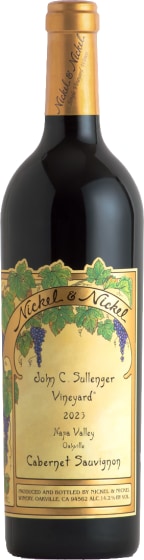
Cabernet Sauvignon is the most reliable dinner-party crowd-pleaser here, and for good reason. Its firm tannin and dark-fruit concentration stand right up to the fat, matching the meat pound for pound without getting lost. When you want a bottle that almost everyone at the table will recognize and enjoy, this is the safe pick.
Here is a fact worth knowing: most premium Napa Valley Cabernets are not 100% Cabernet. They usually include roughly 5-15% Merlot, Cabernet Franc, Petit Verdot, or Malbec. Those supporting grapes round out the texture and soften the mid-palate, so the wine feels plush instead of severe. You will find this style across Napa Valley and Bordeaux, where the grape has built its reputation over generations.
That blending trick is why Cabernet pairs so cleanly with braised short ribs. The core grape brings the muscle, and the smaller partners smooth the edges so nothing feels harsh against the meat. Pour it toward the start of the meal, while appetites are big and palates are fresh, and it sets an easy, confident tone for everything that follows.
Oakville, Napa Valley, California ● Cabernet Sauvignon
99 Tasting Panel
96 Robert Parker
95 Jeb Dunnuck
95 James Suckling
$140
$129.99
2. Syrah / Shiraz
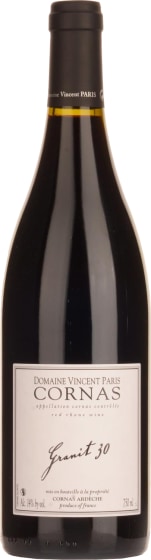
Syrah, known as Shiraz in Australia and much of the New World, is the same grape wearing two names. It brings notes of black pepper, smoke, and savory char that echo the braise itself, almost as if the wine were seasoned to match the dish. Those savory tones make it feel like a natural extension of the meat.
The acidity is what keeps it from turning heavy. Even with all that dark, brooding flavor, a good Syrah stays lively on the palate and refreshes between bites. Look to the Northern Rhône in France for the peppery, structured style, or to Australia for a rounder, fruit-forward Shiraz. Both work beautifully with short ribs.
The two styles give you a genuine choice at the table. A Northern Rhône bottle leans savory and tightly wound, which flatters a braise heavy on herbs and stock. An Australian Shiraz leans plush and fruit-forward, a friendlier option when the sauce turns sweet with caramelized onion or a splash of red wine reduction.
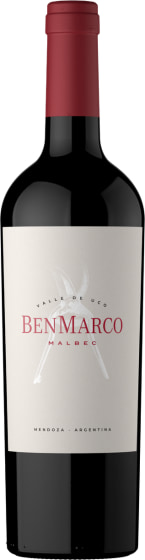
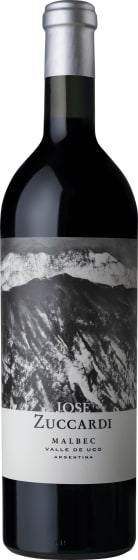
Malbec is the approachable value hero of this group. It offers plush, dark fruit and a softer tannin than Cabernet, which makes it easy to love and easy to serve. Originally a Bordeaux grape, where it is called Côt, Malbec found its true home in Argentina's Mendoza region and became the country's signature red.
Quality ranges widely, and there is a reason the splurge bottles cost more. Single-vineyard, high-altitude Mendoza bottlings typically yield only 1-2 tons per acre, versus 4-6 tons for broader regional blends. Lower yields concentrate the flavor, so the pricier wine tastes deeper and more layered. For a weeknight table, the everyday version still delivers plenty of pleasure.
Altitude does a lot of the heavy lifting in Mendoza. Many top vineyards sit high in the Andes foothills, where cool nights lock in acidity and bright color while warm days ripen the fruit. That balance is why even an affordable Malbec can taste generous without feeling flat, which makes it the pick when you want to please a table without a big spend.
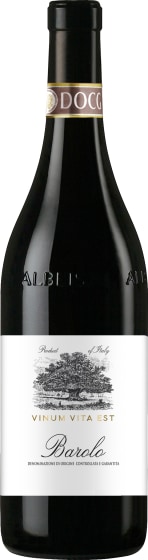
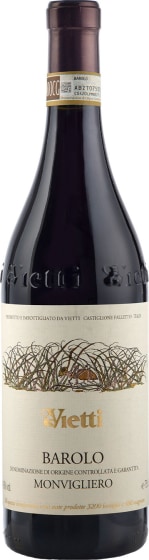
Barolo is the special-occasion splurge, made from the Nebbiolo grape in Italy's Piedmont region. Its high acidity and grippy tannin cut the richness of the braise with real precision, while savory dried-cherry and herb notes give it an elegant, grown-up character. This is the bottle for the night when the dinner itself is the event.
One detail sets Barolo apart from Cabernet. Where premium Cabernet blends in other grapes, Barolo is always 100% Nebbiolo, a single-varietal wine with nothing else in the glass. That purity comes with patience: top Barolo typically needs 10-15 years to soften its structural tannins, and that long aging is part of what you pay for at the splurge tier.
Do not let the aging talk scare you off. A younger Barolo still shines with short ribs, because the dish's fat tames that firm tannin the moment the two meet. Give a young bottle time in a decanter, serve it a touch on the cooler side, and it rewards you with the kind of savory depth that makes a special dinner feel like one.
A few simple choices make any of these reds show their best next to short ribs. None of them are complicated, and getting them right takes only a minute of attention. Here is how to serve with confidence.
Serving temperature: pour these reds at 60–65°F, cool enough to feel refreshing but warm enough for the fruit and tannin to open up
Decanting: give younger, tannic bottles like Barolo or Cabernet 30 to 60 minutes in a decanter, which softens the grip and lets the aromas unfold
Glassware: reach for a large, round-bowled glass that gives these full-bodied wines room to breathe and directs the aromas toward your nose
A safe crowd-pleaser: when the table has mixed palates, a Napa Cabernet or an easygoing Malbec pleases the widest range of drinkers without asking anyone to think too hard
Short Rib Wine Questions, Answered
A few questions come up again and again once the short ribs hit the table. These are the ones worth having a quick answer for. Each pick above ties back to the same simple logic.
What is the best wine to pair with braised short ribs?
The best match is a full-bodied red with tannin and acidity. Cabernet Sauvignon, Syrah, Malbec, and Barolo all fit that description, which is why they anchor this guide. The tannin cuts the fat and the acidity keeps the savory sauce lively. Pick whichever style suits your budget and your table, and you will be in good shape.
Should I cook the short ribs with the same wine I serve?
You do not need to braise with your best bottle. A sound, affordable dry red is exactly right for the pot, since long cooking cooks off the finer aromatics you paid extra for. Save the nicer bottle for the glass, where you can actually taste what makes it special. A budget-friendly Cabernet or Malbec braises beautifully.
Can I serve a white wine with braised short ribs?
Reds generally win with a dish this rich and savory. The tannin and dark fruit of a full-bodied red simply match the meat better than most whites can. There is one exception worth knowing: a rich, oaked white with real body and texture can hold its own if you prefer white. For most tables, though, a red is the safer call.
What's a good affordable bottle versus a splurge for a dinner party?
For value, reach for a Malbec or a Côtes du Rhône, both of which deliver plenty of flavor without a big spend. For a splurge, a Napa Cabernet or a Barolo brings the depth and polish a special dinner deserves. The picks above map neatly onto that split. Match the bottle to the occasion and the meal takes care of itself.
Your Next Bottle
Let the occasion guide your choice. Reach for a Malbec when you want an easy, generous red for a weeknight short-rib dinner. Pour a Napa Cabernet when you want the safe crowd-pleaser that keeps a mixed table happy, and save a Barolo for the night when the dinner is the event and you want the wine to feel like an occasion too.
Any of these four styles will do the dish justice, and there is a lot of room to explore between them. Wine.com carries a selection of 16,000+ wines, so whether you want an everyday bottle or something to mark a celebration, the right red for your short ribs is waiting.