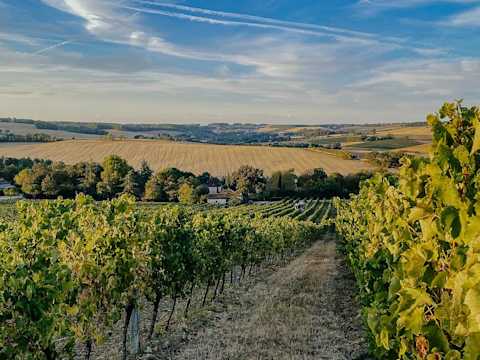
France's major wine regions each express one place through a signature style. That is why the wine from each of France's regions can taste so different, from crisp Chablis in the cool north to the sun-baked reds of the Southern Rhône. Learn the regions and you can read almost any French label like a map.
Understanding France's Wine Regions
French wine law ties a grape to its ground. The Appellation d'Origine Contrôlée system decides which varieties may be planted where and how the wine must be made, so a label reading Chablis or Sancerre tells you the place first and lets the grape follow by rule. Terroir, the mix of soil, slope, and climate, does the rest of the work.
AOC (Appellation d'Origine Contrôlée) is France's legal promise that a wine came from where the label says, made the way that place demands. It locks the grapes, yields, and methods to one specific patch of ground.
How French Labels Point to Place, Not Grape
Most French labels name a place, not a grape. A bottle of red Burgundy simply says Burgundy on the front, even though the grape growing in every one of those vineyards is Pinot Noir. New World regions flip that logic and put the grape front and center, so a California wine reads Chardonnay or Cabernet Sauvignon. Learn which grapes each region grows, and the French place name tells you what the grape name would.
Why One Country Produces So Many Styles
France stretches from the cool, cloudy north down to the warm Mediterranean coast. Up north, around Champagne and Chablis, grapes ripen slowly and hold onto sharp acidity, which is exactly what gives those lean whites and sparkling wines their nervy energy. Down south, the sun does the opposite. Long hot summers in Provence and the Southern Rhône push grapes to full ripeness, building the richer, higher-alcohol reds and the pale dry rosé the coast is known for.
French Wine Region by Region
These five regions form the backbone of French wine and account for most of what you will see on a shop shelf. Each one built its name on a specific grape and a specific kind of ground, so learning them covers most of what a French list will throw at you.
1. Bordeaux
Bordeaux is really two regions split by a river, and the blend gives away which side you are drinking. On the Left Bank, gravel soils favor Cabernet Sauvignon, so the blends typically run 60–80% Cabernet with the balance in Merlot, Cabernet Franc, and Petit Verdot. Those supporting grapes are not filler. Merlot fleshes out the mid-palate and softens Cabernet's firm tannins, while a little Petit Verdot deepens the color and adds grip. The Right Bank flips the recipe, leading with Merlot on clay and limestone soils to pour a plusher, rounder red. Between the two picks below, one leans approachable while the other is a benchmark estate built to age.
Haut Medoc, Bordeaux, France ● Bordeaux Red Blends
95 James Suckling
95 Wine Enthusiast
93 Vinous
92 Decanter
92 Robert Parker
91 Jeb Dunnuck
90 Wine Spectator
Sold Out - was $39.97
2. Burgundy
Burgundy grows just two grapes that matter: Pinot Noir for the reds, Chardonnay for the whites. Both pass through cool limestone soils that give the wines their tension and clarity, and prices climb fast, so start at the accessible end and read our affordable Burgundy wine guide first.
Nuits-St-Georges, Cote de Nuits, Cote d'Or, Burgundy, France ● Pinot Noir
93 James Suckling
93 Wilfred Wong
92 Wine Spectator
Sold Out - was $110.00
3. Loire Valley
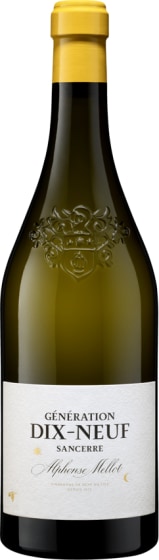
The Loire Valley follows one river across France, and the grape in your glass changes as you travel along it. In the east, Sancerre and Pouilly-Fumé turn Sauvignon Blanc into crisp mineral whites, a grape the locals sometimes label Blanc Fumé after their flinty soils. Move west and Vouvray takes over. Here Chenin Blanc, known around the Loire as Pineau de la Loire, ranges from bone-dry to lusciously sweet. Chinon adds the region's calling-card red: a light, herb-edged Cabernet Franc. Between the two picks below, one keeps things easy while the other shows how serious a Loire white can get.
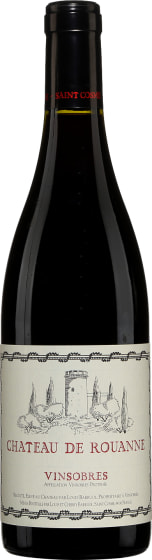
The Rhône splits in two: the north bets everything on Syrah, the same grape Australia bottles as Shiraz, while the south blends Grenache with Syrah, Mourvèdre, and more into generous, sun-filled reds. For the full spread of styles and the smart buys, our best value Rhône wines guide maps the value.
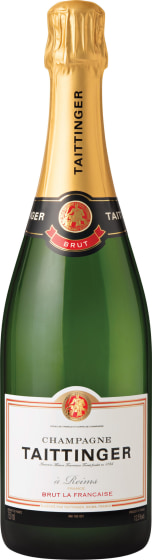
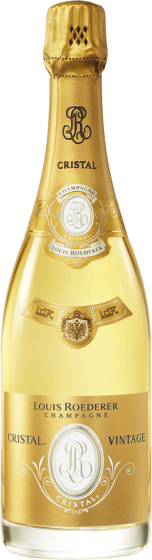
Champagne earns its bubbles the slow way. The méthode traditionnelle runs a second fermentation inside each sealed bottle, which traps the fizz and builds those fine, long-lasting bubbles. Cool weather and deep chalk soils keep the base wines high in acid, and that acidity is what lets Champagne age without losing its freshness. On the label, Blanc de Blancs means all Chardonnay, a lean and citrusy style. Blanc de Noirs comes from the black grapes, Pinot Noir and Pinot Meunier, and drinks rounder with more red fruit. The two picks below cover an easy house style and a prestige bottling.
Beyond the headline names, a few more regions fill in the corners of the French map. These three give you the country's best aromatic whites, its benchmark rosé, and its most food-friendly light red.
6. Alsace
Tucked against the German border, Alsace does something rare for France: it prints the grape right on the label. The Vosges mountains shelter its vineyards, keeping them dry and sunny. That ripens the aromatic white grapes fully while locking in their acidity, which is the balancing act these wines are built on. Riesling here is bone-dry and racy, a long way from the sweeter German style. Gewurztraminer goes the other direction, all lychee and rose perfume, while Pinot Gris, the grape Italy bottles as the lighter Pinot Grigio, turns richer and spicier here. One pick is an easy way in, the other a grand cru white with real depth.
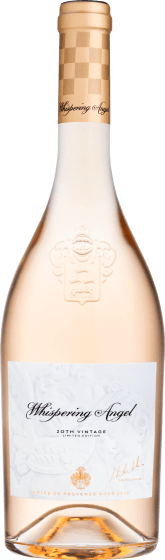
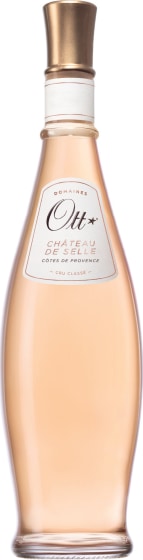
Provence is rosé country, and its pale pink wine sets the global standard. Hot Mediterranean days ripen the grapes fully, while cooling sea breezes preserve the freshness that keeps these wines so crisp and drinkable. The pale color is a choice, not an accident. Winemakers give the juice only brief contact with the red skins before pressing, which yields a wine that is dry rather than sweet. Grenache, Cinsault, and Mourvèdre make up the classic blend, each adding its part: bright berry fruit, soft texture, and a savory herbal edge. One pick is a crowd-pleasing everyday bottle, the other a clear step up in polish.
Cotes de Provence, Provence, South of France, France ● Rosé
91 Wine Spectator
Sold Out - was $58.00
8. Beaujolais
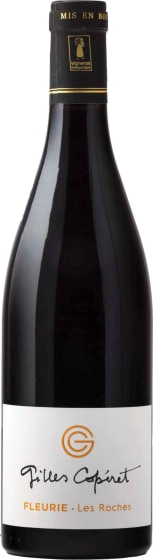
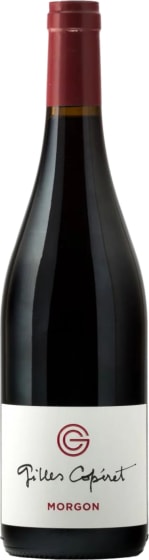
Just south of Burgundy, Beaujolais builds its reputation on one grape, Gamay. Grown on pink granite soils, Gamay gives a light, juicy red packed with bright red fruit and a fresh, snappy finish. At the top sit the ten named crus, villages like Morgon and Fleurie, where older vines and better slopes produce reds with more grip and aging potential than the region's simple bottlings. Chill them lightly and they become some of the most versatile food reds in the country, happy alongside everything from charcuterie to roast chicken. One pick captures the region's easygoing charm, the other a cru with real structure.
Price in French wine tracks farming as much as fame. The biggest cost driver is yield: single-vineyard bottlings typically produce just 1–2 tons of fruit per acre, against 4–6 tons for broad regional blends, and those lower yields concentrate flavor while pushing the price up. Knowing where a bottle sits on that curve helps you shop the full range of French wine with confidence.
Accessible (under $30): Start here. Regional bottlings from the Loire, Beaujolais, the Southern Rhône, and Provence deliver honest, food-friendly wine without the collector markup
Mid-range ($30–$75): Village-level Burgundy, cru Beaujolais, Northern Rhône Syrah, and Alsace grand cru whites. This is where terroir starts to show clearly in the glass
Benchmark ($75 and up): Classified Bordeaux estates, premier and grand cru Burgundy, and prestige Champagne. Save this tier for a wine you want to cellar or a milestone bottle
For a beginner, the accessible tier is the smart classroom: it teaches each region's signature without much risk. Spend up when a region's magic lives in its top sites, as it does in Burgundy and Bordeaux, where the single-vineyard yields above explain what the extra money buys.
French Wine, Questions Answered
How Many Wine Regions Does France Have?
France has more than a dozen major wine regions, though the count shifts depending on how you draw the lines. Most guides land on roughly 11 to 14 principal regions, running from Champagne in the north to Provence on the southern coast. Below those sit hundreds of individual appellations, each with its own rulebook for grapes and farming. For a buyer, the ten regions in this guide cover nearly everything you will meet on a shop shelf.
What Is the Most Famous French Wine Region?
Bordeaux and Burgundy compete for the title, and the answer depends on what you value. Bordeaux is the most famous by sheer volume and name recognition, home to the grand classified estates that anchor the fine-wine market. Burgundy holds the crown for prestige per bottle, since its tiny grand cru vineyards produce some of the rarest and priciest wines on earth. Champagne might win on name alone, because the word stands in for celebration almost everywhere. If you want the single most recognized region, Bordeaux takes it.
Which French Region Is Best for Someone New to French Wine?
The Loire Valley is the friendliest entry point for most new drinkers. Its wines are light, fresh, and affordable, and the range covers crisp whites, easygoing reds, and even sparkling, so you can taste a whole region without spending much. Beaujolais is an equally gentle start on the red side, with juicy Gamay that rarely intimidates. Both regions reward curiosity without demanding a big budget or deep background knowledge.
What Is the Difference Between Bordeaux and Burgundy?
The clearest difference is the grapes. Bordeaux reds are blends built mostly on Cabernet Sauvignon or Merlot, while Burgundy focuses on single grapes: Pinot Noir for reds and Chardonnay for whites. Bordeaux tends to be structured and firm, made to age for years, whereas Burgundy leans more delicate, aromatic, and transparent to its site. Bordeaux also works at larger scale, while Burgundy is famous for tiny, fragmented vineyards. For a new buyer, Bordeaux is the easier first sip, and Burgundy is the deeper rabbit hole.
Where to Start with French Wine
Here is the cheat sheet. For value and easy drinking, start with Loire whites, Provence rosé, or a cru Beaujolais, since all three punch above their price. The benchmark regions can wait. Save Bordeaux and Burgundy for when you want to cellar a bottle or mark an occasion, because that is where the extra money actually pays off.
The best way to learn French wine is to drink across it. Pour a Loire Sauvignon Blanc next to an Alsace Riesling, or set a Left Bank Bordeaux beside a Right Bank bottle, and the contrasts teach faster than any book. With thousands of French wines spanning every region in this guide, Wine.com makes that kind of side-by-side tasting easy to set up at home.
Ready to put the field guide to work? Browse French Wine at Wine.com and build a mixed case that travels from Champagne to Provence in a single order.