The Essential Rhône Value Guide: Regions, Bottles, and What to Pour Tonight
Châteauneuf-du-Pape now routinely commands $50 to $100 per bottle, and the best cuvées push well past that. The good news: the rest of the Southern Rhône quietly delivers comparable quality from the same grapes, the same soils, and often the same producers, at a fraction of the cost. From a $14 Côtes du Rhône Villages bottle to a $40 Gigondas with real cellar potential, the value range here is one of the widest in French wine.
Why Rhône Value Wines Punch Above Their Price
The Southern Rhône runs on a shared playbook. Grenache, Syrah, and Mourvèdre form the backbone of nearly every red appellation from Côtes du Rhône to Châteauneuf-du-Pape, and the vineyard soils, limestone, clay, sand, and those famous galets (giant sun-warmed pebbles), repeat across neighboring communes. What changes from one appellation to the next is prestige, yield limits, and price.
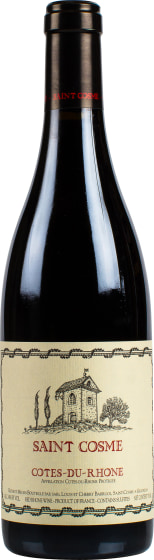
Châteauneuf-du-Pape caps yields at roughly 35 hectoliters per hectare, a restriction that concentrates flavor but also concentrates cost. Côtes du Rhône Villages allows higher yields, and the land itself costs less. The wine in the glass, though, often comes from the same producer working vineyards just a few kilometers apart. Saint Cosme makes both Châteauneuf and Côtes du Rhône. The Perrin family behind Château de Beaucastel also produces Côtes du Rhône and Vinsobres bottlings. The quality gap between these tiers is smaller than the price gap suggests, and that imbalance is where the value lives.
New French oak barrels run $1,200 or more each, but most Southern Rhône value wines skip new oak entirely. Grenache, the dominant grape, reacts poorly to new barriques. Producers at the value tier ferment in concrete or older oak, letting the fruit and terroir speak without the markup that comes with an expensive oak program.
How the GSM Blend Creates the Rhône Signature
Grenache provides the warmth: ripe red fruit, generous alcohol, and a round, giving texture. Syrah sharpens the frame with dark fruit, black pepper, and tannic grip. Mourvèdre adds earthiness, leather, and structure that extends the finish. Adjusting the ratio shifts the entire wine. A Grenache-dominant blend drinks rounder and more immediately generous. Push the Syrah percentage higher and the wine turns darker, more structured, and longer-lived. This flexibility lets producers across the Southern Rhône create wines with genuine individuality while working with the same three core varieties.
Rhône Value Wines by Price: What to Expect at Every Level
A $15 Côtes du Rhône and a $45 Gigondas share the same grape varieties and the same Mediterranean climate, but they differ in concentration, complexity, and aging potential. Here is what each tier delivers.
1. Under $20: Côtes du Rhône and Côtes du Rhône Villages
Côtes du Rhône is the broadest appellation in the valley, covering nearly 99,000 acres of vineyard across non-contiguous tracts. Quality ranges widely, but the best bottles offer ripe cherry, dried herb, and white pepper at prices that make them genuine weeknight staples. Côtes du Rhône Villages is a distinct step up: stricter yield limits, defined communes, and a price difference of only $3–$5 per bottle. Named village designations like Séguret, Rasteau, and Cairanne signal that the grapes come from specific, higher-quality sites. Saint Cosme, one of the region's most respected producers, makes an entry-level Côtes du Rhône that punches well above its price tier by sourcing from old-vine parcels typically reserved for more expensive bottlings.
2. $20–$35: The Cru Sweet Spot: Vacqueyras, Cairanne, and Rasteau
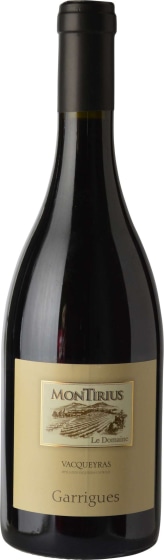
These three appellations sit in the heart of the Southern Rhône, neighboring Châteauneuf-du-Pape and sharing much of its terroir, but without the prestige tax. Vacqueyras earned its own appellation in 1990 and produces sturdy, bold reds with an earthy warmth: black currant, blueberry, dried brush, pepper. The sandy and stony terrain ripens earlier than Gigondas, giving the wines more immediate fruit and a hint of rusticity. Cairanne, promoted to cru status in 2017, is one of the most exciting villages in the southern Rhône, delivering spice-driven reds with an elegance that belies the price. Rasteau leans darker and more muscular: baked plum, chocolate, garrigue. Famille Perrin, the family behind Beaucastel, produces wines across all three of these appellations, demonstrating how top-tier producers invest in these villages precisely because the terroir justifies it.
3. $35–$50: Gigondas and Lirac: The Closest Thing to Châteauneuf
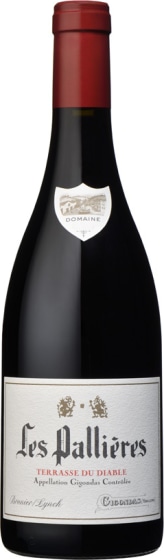
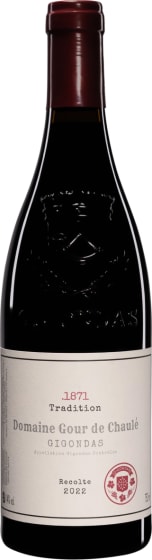
Gigondas was the first Côtes du Rhône-Villages commune to earn its own appellation, in 1971, and the quality of its best reds rivals Châteauneuf-du-Pape itself. The vineyards climb the slopes below the jagged Dentelles de Montmirail, reaching elevations up to 1,640 feet. That altitude, combined with more calcareous soils, gives Gigondas a freshness and aromatic lift that Châteauneuf often lacks: dark fruit, garrigue, graphite. Lirac sits directly across the Rhône from Châteauneuf-du-Pape, sharing similar soils and exposure but commanding a fraction of the price. It remains one of the most overlooked appellations in the valley. Domaine les Pallières, co-owned by the Brunier family of Vieux Télégraphe, makes a Gigondas that could sit comfortably alongside many Châteauneuf bottlings at half the cost.
The appellations below fly further under the radar, and that is where the most aggressive value lives right now. These are wines for drinkers who want Southern Rhône character without paying for name recognition.
4. Ventoux and Luberon
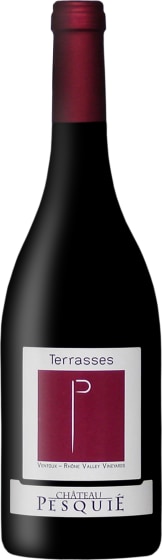
Ventoux vineyards climb the west-facing slopes of Mont Ventoux, where cool night air sweeps down from the mountain and gives the wines a freshness unusual for the Southern Rhône. Red fruit, lavender, and a lighter body make these natural weeknight pours. Syrah performs better here than in the valley's warmer appellations, adding a peppery spine that lifts the blend. Vineyard land in Ventoux costs less than in the most sought-after Southern Rhône terrains, and those savings pass directly to the bottle price. Château Pesquié is the benchmark producer, making serious, long-lived wines from this elevated terrain. Luberon, further south, offers a similar cooler-climate style at even lower prices. Chapoutier's Luberon bottling is a reliable entry point for exploring what these satellite appellations can deliver.
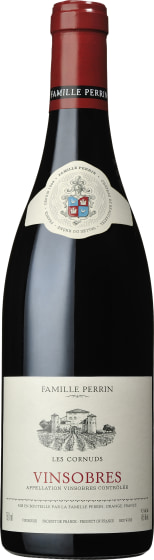
Vinsobres sits at the northern edge of the Southern Rhône, with vineyards reaching 1,300 feet above sea level. The cooler conditions give Syrah a bigger role here than in most GSM zones, and the wines show more structure and darker fruit than typical Southern Rhône reds. If you enjoy the pepper and grip of Northern Rhône Syrah but prefer Southern Rhône pricing, Vinsobres is worth seeking out. Famille Perrin produces two Vinsobres bottlings from this appellation, reinforcing that top producers see real potential in the commune.
Southern Rhône reds are built for the table. Their moderate tannins, ripe fruit, and herbal undertones make them more versatile dinner companions than most comparably priced wines from other regions.
Under $20 Côtes du Rhône and Côtes du Rhône Villages: grilled sausages, roasted vegetables, margherita pizza, weeknight roast chicken, charcuterie boards with salami and olives
$20–$35 Vacqueyras, Cairanne, and Rasteau: braised lamb shanks, cassoulet, herb-crusted pork loin, aged Comté or Manchego, slow-cooked ratatouille
White Rhône value picks: grilled shellfish, roasted chicken with herbs, goat cheese salads, bouillabaisse, grilled halibut with lemon and capers
The unifying thread across these pairings is the herbal, savory character that runs through Southern Rhône wines. Provençal cooking and Southern Rhône wine evolved together, and the match is instinctive: garlic, rosemary, thyme, and olive oil find a natural partner in Grenache-based blends.
Rhône Value Questions, Answered
What Red Wine Is Similar to Châteauneuf-du-Pape?
Gigondas is the closest match in weight and structure, thanks to shared grape varieties and neighboring terroir at higher elevation. Vacqueyras runs a close second with riper, more immediate fruit and softer tannins. Both appellations use the same Grenache-Syrah-Mourvèdre blend and sit within a few miles of Châteauneuf. For maximum similarity, look for old-vine bottlings from either appellation in the $25–$45 range.
What Is the Difference Between Côtes du Rhône and Côtes du Rhône Villages?
Côtes du Rhône is the broad regional appellation covering vast, non-contiguous vineyard tracts across the valley. Côtes du Rhône Villages is a step up: fewer eligible communes (95 versus 171), slightly stricter yield limits, and marginally higher minimum alcohol levels. The 22 best communes can append their village name to the label, signaling even higher quality. The quality jump between CdR and CdR Villages is often noticeable, and the price difference is typically only $3–$5.
Why Is Châteauneuf-du-Pape So Expensive?
Global demand combined with strict production constraints drives the price. Châteauneuf caps maximum yields at roughly 35 hectoliters per hectare, well below what most regional appellations allow. The appellation permits 13 grape varieties, but production from its prime galets-covered terroir is inherently limited. Add decades of brand recognition and collectibility, and the name commands a premium that neighboring appellations with comparable quality do not.
Are There Good White Rhône Value Wines?
White Côtes du Rhône and Côtes du Rhône Villages blends of Grenache Blanc, Marsanne, Roussanne, and Viognier deliver stone fruit, floral lift, and textural richness at $12–$20. Luberon and Ventoux whites offer similar character at even lower prices. These are versatile food wines that pair well with seafood, poultry, and vegetable-forward dishes. White Southern Rhône blends remain one of the most underappreciated categories in French wine, offering complexity that competes with white Burgundy at a third of the price.
What Vintages Should I Look for in Rhône Value Wines?
The 2019 and 2020 vintages are outstanding across the Southern Rhône, with concentration and generous ripeness that reward a year or two of patience. The 2022 vintage is drinking beautifully now, offering a balance of fruit and freshness that makes it approachable young. The 2023 vintage shows early accessibility and bright fruit, making it a strong choice for near-term drinking. At the value tier, most Southern Rhône reds are meant to be enjoyed within three to five years of the vintage, though Gigondas and the better Vacqueyras bottlings can age gracefully for a decade or more.
Finding Your Rhône Value Wines
There is no wrong entry point into Rhône value. Whether you start with a $14 Côtes du Rhône Villages or a $40 Gigondas, the only metric that matters is whether the wine suits your palate and your table.
The range from casual weeknight pours to cellar-worthy crus is one of the widest in any French wine region. Buying across tiers is the fastest way to discover what you prefer: the bright, easy fruit of a Ventoux, the spice and earth of a Vacqueyras, or the structured depth of a Gigondas. A mixed case spanning two or three appellations will tell you more about your own palate than a dozen bottles from the same producer.