Affordable Burgundy Wine, Explained: Value Regions, Top Bottles, and What to Spend
Burgundy has a reputation problem. The region's most famous bottles sell for hundreds or thousands of dollars, which leads many wine lovers to assume the whole appellation is off-limits. The reality is more inviting: dozens of well-made Burgundies sit between $15 and $40, offering genuine expressions of Pinot Noir and Chardonnay from one of the world's most respected winegrowing areas.
Why Burgundy Costs What It Does
Top Burgundy vineyards yield as little as 35 hectoliters per hectare versus 60+ for regional appellations. That gap in output is the engine behind the region's pricing, and it starts with how Burgundy classifies its land.
The hierarchy runs from the top down: Grand Cru vineyards occupy the most prized slopes, followed by Premier Cru, then Village, then Regional (Bourgogne-level) appellations. Grand Cru sites are tiny, tightly regulated, and produce limited quantities. Premier Cru vineyards offer more volume but still carry strict yield limits and command serious prices. Collector demand, restaurant allocation programs, and global auction activity keep prices at those tiers elevated, sometimes wildly so. A single hectare of Grand Cru vineyard in Vosne-Romanée can cost more than comparable land almost anywhere else on earth.
Here is what that means for you as a buyer. More than 60% of all Burgundy production falls into the Regional and Village tiers, where prices stay accessible and quality can be remarkably high. These wines come from the same French wine regions general climate and soil types, made by many of the same producers who farm Premier and Grand Cru land. The fruit may come from younger vines or less celebrated slopes, but skilled winemaking closes that gap more than most people expect. Burgundy's value story lives in these lower tiers, and it rewards anyone willing to look past the famous names on the label.
Where to Find Value in Burgundy
The scent of ripe Chardonnay from a cool limestone slope, the bright cherry lift of a well-made Pinot Noir from a high-altitude vineyard: affordable Burgundy delivers these experiences without the collector-tier price tag. Five regions consistently offer the best combination of quality and value across both colors.
1. Bourgogne Rouge and Bourgogne Blanc
"Bourgogne" is the catch-all regional appellation, the broadest designation in the hierarchy. These wines can be sourced from vineyards across the entire region, and they represent the value floor for authentic Burgundy. Reds at this level show bright cherry, soft tannins, and clean varietal purity. Whites tend toward citrus and green apple with crisp, refreshing acidity.
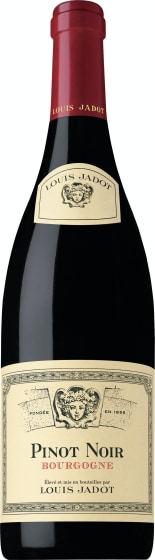
The smart play at this level is to buy regional wine from a respected producer. Houses like Louis Jadot, Joseph Drouhin, and Albert Bichot farm Premier Cru and Grand Cru vineyards alongside their regional holdings. Their Bourgogne-level bottlings often include declassified fruit from higher-tier sites, which means you get better raw material than the appellation requires. A Bourgogne Rouge from one of these producers typically runs under $20 and drinks well above its price class. The Pinot Noir selection at this tier is broad enough to find a house style that fits your palate.
The Côte Chalonnaise sits just south of the famous Côte de Beaune, sharing similar limestone and clay soils but without the name recognition premium. Three villages anchor the region's reputation, and each has a distinct personality.
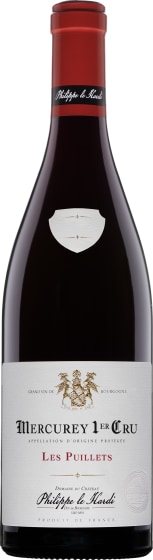
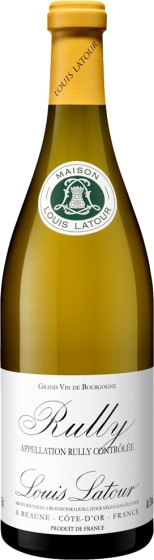
Mercurey is the most important of the three, producing Pinot Noir with genuine depth and structure. Rully is the white wine star, turning out crisp, mineral-driven Chardonnay that rivals many Côte de Beaune villages at half the price. Givry rounds out the trio with medium-bodied reds that emphasize earthy, savory character. Because these appellations remain undervalued in the U.S. market, you can find Village-level and even Premier Cru bottles for $25 to $40, a fraction of what comparable quality costs from Meursault or Pommard.
Rully, Cote Chalonnaise, Burgundy, France ● Chardonnay
90 James Suckling
90 Wine Spectator
Sold Out - was $52.00
3. Mâcon-Villages and the Mâconnais
The Mâconnais is Burgundy's warmest sub-region, sitting at the southern end of the appellation where the climate edges toward Mediterranean influence. The extra warmth produces Chardonnay with riper fruit and softer acidity than its northern neighbors. Expect golden apple, white peach, and a round, approachable texture that makes these wines easy to enjoy on their own or with lighter meals.
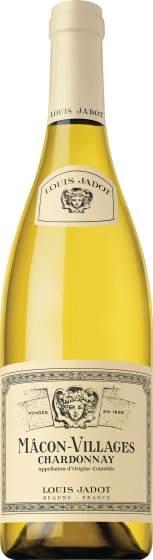
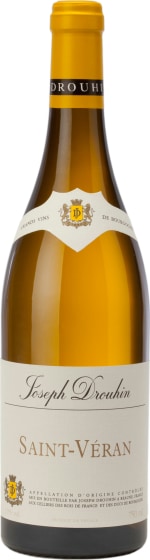
Mâcon-Villages is the region's workhorse appellation, typically priced under $20. For a step up, look to Saint-Véran, a hidden gem that delivers concentrated Chardonnay from hillside vineyards at prices well below its more famous neighbor Pouilly-Fuissé. Pouilly-Fuissé itself sits at the top of the Mâconnais quality ladder, with the best examples showing mineral complexity and aging potential for under $40. The entire region offers some of the most reliable white Burgundy value available today.
St-Veran, Maconnais, Burgundy, France ● Chardonnay
91 Wine Spectator
$33.99
$33.99
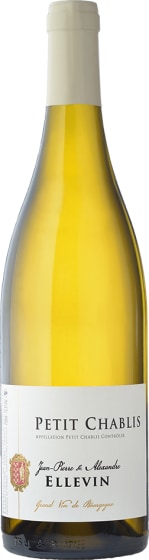
4. Chablis and Petit Chablis
Chablis sits in northern Burgundy, geographically closer to Champagne than to Beaune, and its wines reflect that cooler climate. The region's signature is Kimmeridgian limestone, an ancient seabed soil packed with fossilized oyster shells that gives the wines a distinctive flinty, mineral edge. Most Chablis is fermented in stainless steel, which preserves the grape's bright acidity and citrus-driven character. Some producers use partial oak aging for added richness and body, creating a fuller, more textured style that appeals to drinkers who enjoy Côte de Beaune whites.
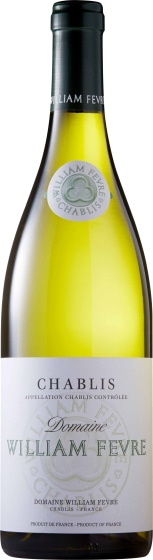
Is Chablis even Burgundy? Yes. Despite the geographic distance, Chablis falls squarely within the Bourgogne appellation and produces 100% Chardonnay under the same regulatory framework as the rest of the region. Petit Chablis, the entry-level tier, comes from vineyards on flatter ground surrounding the main slopes. These wines are lean, crisp, and refreshing, often priced under $20. Village-level Chablis typically costs $25 to $35 and offers more concentration and complexity.
Petit Chablis, Chablis, Burgundy, France ● Chardonnay
Sold Out - was $30.00
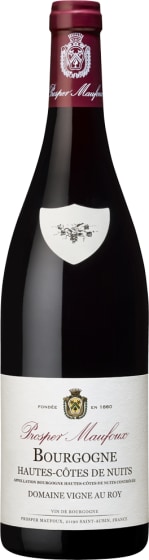
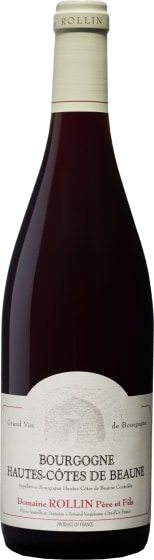
5. Hautes-Côtes de Nuits and Hautes-Côtes de Beaune
These two appellations occupy the higher-altitude slopes behind the famous Côte d'Or escarpment, perched on hillsides that look down on some of the most expensive vineyard land in the world. The vineyards sit at elevations where temperatures run cooler and ripening takes longer, producing wines with bright acidity, lighter tannins, and a fresh, lifted quality that sets them apart from their lower-slope neighbors.
Climate change has been quietly transforming these areas. Warmer growing seasons over the past two decades have allowed the fruit to reach fuller ripeness, bringing better concentration and balance to wines that once struggled with underripe character. Producers like Prosper Maufoux and Domaine Rollin Père et Fils are making reds and whites here that compete with more expensive Côte d'Or bottlings. Most Hautes-Côtes wines fall between $20 and $30, making them one of Burgundy's best-kept value propositions.
Hautes Cotes de Beaune, Cote de Beaune, Cote d'Or, Burgundy, France ● Pinot Noir
Sold Out - was $38.00
What Affordable Burgundy Tastes Like
Red Burgundy at the affordable level leans toward transparency. Expect lighter body than a Napa Pinot Noir, with bright cherry and raspberry fruit sitting alongside earthy notes of mushroom and damp forest floor. Tannins are typically soft and fine-grained. The acidity runs high, which gives these wines a lively, food-friendly quality that our food and wine pairing tips explore in depth. What you lose at this price point is the deep complexity and layered texture of Premier Cru and Grand Cru reds, but you gain freshness, drinkability, and honest varietal expression.
White Burgundy at this level splits into two camps. Mâconnais and Bourgogne Blanc wines tend toward ripe orchard fruit, citrus blossom, and a round mouthfeel. Chablis and cooler-climate whites show more restraint, with green apple, lemon zest, and a chalky mineral finish. Both styles carry the hallmark Burgundy acidity that keeps the palate engaged and makes each sip feel clean. Burgundy is a single-varietal region where 100% Chardonnay is mandated for whites, so what you taste in these affordable bottles is pure expression of grape, soil, and climate without blending complexity.
Even at the $15 to $40 tier, terroir shows up. A Bourgogne Blanc from the Côte d'Or tastes different from a Mâcon-Villages, and a Hautes-Côtes de Nuits red has a different personality than a Mercurey. That site-specific character is what makes Burgundy Burgundy, and it is present at every price level. The differences are subtler than at the top tiers, but they reward attention and make exploring affordable Burgundy wines genuinely interesting.
What to Eat with Affordable Burgundy
Red Burgundy Pairings
Roast chicken: The classic match for a reason, roast chicken with herbs mirrors Pinot Noir's savory, earthy notes and lets the fruit shine
Mushroom risotto: Earthy mushrooms amplify the forest-floor character in red Burgundy, creating a seamless bridge between plate and glass
Pork tenderloin with mustard sauce: The acidity in Bourgogne Rouge cuts through the richness of pork, and Dijon mustard ties the pairing back to Burgundy's home turf
Charcuterie and pâté: Light reds from the Hautes-Côtes or a chilled Bourgogne Rouge pair perfectly with terrines, cured meats, and cornichons
White Burgundy Pairings
Grilled fish with lemon: Chablis and Petit Chablis are built for seafood, their high acidity and mineral backbone matching the brightness of citrus-dressed fish
Creamy pasta: A Mâcon-Villages or Saint-Véran has the body and roundness to stand up to cream sauces without overwhelming lighter pasta dishes
Soft cheeses: Brie, Camembert, and fresh goat cheese all find a natural partner in white Burgundy's combination of fruit and acidity
Occasion-Based Picks
Weeknight dinner upgrade: A $15 to $20 Bourgogne Rouge or Mâcon-Villages elevates a simple Tuesday meal without breaking the budget
Dinner party starter: Open with a bottle of Chablis or Rully Blanc as your first pour, then move to reds with the main course
Affordable Burgundy Questions, Answered
Does Affordable Burgundy Wine Actually Exist?
It does, and in larger quantities than most people realize. Regional and Village-level appellations account for the majority of Burgundy's annual production, covering vineyards across the entire region from Chablis in the north to the Mâconnais in the south. These wines are made from the same grape varieties, in the same climate, and often by the same producers who make the famous Grand Cru bottlings. The price difference reflects vineyard classification, vine age, and yield restrictions, not a gap in winemaking skill. You can find genuine, well-made Burgundy starting around $15.
What Is the Difference Between Bourgogne and Burgundy?
They are the same thing. "Bourgogne" is the French name for the region; "Burgundy" is the English translation. On wine labels, you will see "Bourgogne" because French appellation law requires French-language labeling for all AOC wines. A bottle labeled "Bourgogne Rouge" is a red Burgundy made from Pinot Noir. A bottle labeled "Bourgogne Blanc" is a white Burgundy made from Chardonnay. The terms are interchangeable, and you will encounter both in wine shops and on restaurant lists.
Which Burgundy Regions Offer the Best Value?
The Mâconnais, Côte Chalonnaise, and Chablis consistently deliver the strongest quality-to-price ratio. Mâcon-Villages whites routinely cost under $20 and offer clean, fruit-forward Chardonnay. The Côte Chalonnaise villages of Mercurey, Rully, and Givry produce reds and whites that compete with the Côte de Beaune at a fraction of the cost. Petit Chablis and village-level Chablis are reliable entry points for minerally, age-worthy white Burgundy. The Hautes-Côtes appellations round out the list with increasingly impressive wines from higher-altitude vineyards.
Can You Find Good Burgundy for Under $30?
Absolutely. The entire Bourgogne regional tier sits well under $30, and many Village-level wines from the Côte Chalonnaise and Mâconnais fall into the $20 to $30 range. Petit Chablis and Mâcon-Villages bottles are often priced between $15 and $20. At this price point, buying from established producers is the simplest quality filter. Look for familiar Burgundy houses whose names appear across multiple appellation levels, because their regional wines benefit from the same winemaking expertise applied to their top-tier bottlings.
Is Chablis Considered Part of Burgundy?
Yes. Chablis is officially part of the Bourgogne appellation, even though it sits about 100 miles northwest of the Côte d'Or. The region produces exclusively Chardonnay and follows the same appellation laws as the rest of Burgundy. Its cooler climate and Kimmeridgian limestone soils give the wines a distinctly lean, mineral character that differs from southern Burgundy whites. The geographic separation sometimes causes confusion, but the regulatory and historical connection to Burgundy is clear and unbroken.
Your Next Bottle of Burgundy
No wrong entry point exists for exploring affordable Burgundy. If you prefer whites, start with a Mâcon-Villages for ripe, easy-drinking Chardonnay or a Petit Chablis for something leaner and more mineral. If reds are your focus, a Bourgogne Rouge from a top-tier producer gives you honest Pinot Noir character at an accessible price, and Mercurey delivers Village-level complexity for under $40.
Wine.com carries hundreds of Burgundy selections across every appellation and price tier, from $12 regional bottlings to cellar-worthy Premier Cru and Grand Cru wines. The depth of the collection means you can compare producers, regions, and styles side by side, building your own sense of what affordable Burgundy means to your palate.