Most people who say they don't like wine simply haven't found their style yet. Wine covers an enormous range, from soft and lightly sweet all the way to dry and bracingly bitter, and one bad glass rarely represents the whole category. The bottle that changes your mind is usually gentler than whatever turned you off the first time.
Understanding What Makes Wine Taste Harsh
Think about the last cup of strong black tea you left steeping too long. That dry, puckering grip on your tongue is close to what many first-timers taste in a bold red wine, and it is often the exact reason they decide wine "isn't for them." The good news is that this sensation comes from specific styles, not from every wine on the shelf. Once you know what causes it, you can steer around it with confidence.
Tannin is a natural compound found in grape skins and seeds, plus the oak barrels some wines age in. It creates that drying, grippy feeling in your mouth, and it shows up most in dark, full-bodied reds.
Sweetness and softness sit at the opposite end of the spectrum, and plenty of wines are built to be easy from the first sip. The styles in this guide lean that way on purpose, so you can find your footing before deciding whether bolder bottles are worth exploring.
What Does "Dry" Actually Mean?
"Dry" is one of the most confusing words in wine because it has nothing to do with wetness. A dry wine is simply one where nearly all the natural grape sugar has been converted into alcohol, so very little sweetness is left. "Off-dry" means a touch of sweetness remains, which softens the wine and makes it friendlier for a new palate. A dry wine is not a better or more grown-up wine, so if you enjoy a little sweetness, that preference is completely valid.
Why Do Some Wines Taste Bitter or Rough?
That rough, mouth-drying edge you may have disliked usually traces back to tannin. Tannin is concentrated in bold reds like Cabernet Sauvignon, where thick grape skins and time in oak build up that grippy texture. It is the single most common reason someone decides they don't like wine, when really they just met a high-tannin bottle too early. Choosing wines that are low in tannin removes that harshness almost entirely.
Sweet, Soft, or Crisp: Finding Your Comfort Zone
There are three easy on-ramps for anyone easing into wine, and most people click with at least one right away. A little sweetness rounds off any sharp edges, low tannin keeps things smooth instead of drying, and gentle bubbles make a wine feel light and fun. As you read the styles below, notice which of these appeals to you most. That instinct is a reliable guide to where you should start.
Easygoing White and Sparkling Wines to Try
White and sparkling wines are where most newcomers feel at home, because they tend to be light and refreshing without any drying grip. Many carry ripe fruit flavors and a cool, crisp feel that goes down easily. These three styles are the gentlest place to begin.
1. Sweet, Aromatic Whites: Moscato and Sweet Riesling
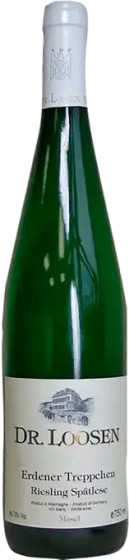
Moscato is about as welcoming as wine gets, with soft sweetness and floral, peachy aromas that fill the glass before you even taste it. Its alcohol is usually low, often around 5 to 7 percent, so it feels light and easy to sip. Sweet Riesling works the same magic, balancing juicy stone-fruit flavor with a bright freshness that keeps it from feeling heavy. If a past glass of wine tasted too bitter or too strong, these gentle, fragrant whites are the clearest sign that the problem was the style, not you.
2. Light, Crisp Whites: Pinot Grigio and Vinho Verde
If you like the idea of a dry wine but want it to stay light and easy, this pair is your friend. Pinot Grigio, also sold under its French name Pinot Gris, is clean and refreshing, with subtle notes of green apple and lemon and almost no tannin to get in the way. Vinho Verde comes from Portugal and often has a faint, tingly spritz that makes it feel almost weightless. Both are crisp without being harsh, which makes them a low-risk way to try a dry style for the first time.
3. Gentle Sparkling Wines: Prosecco and Moscato d'Asti
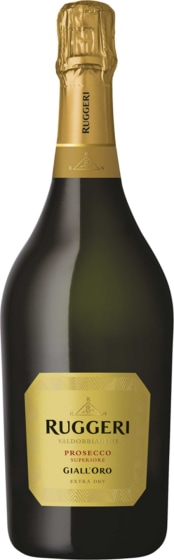
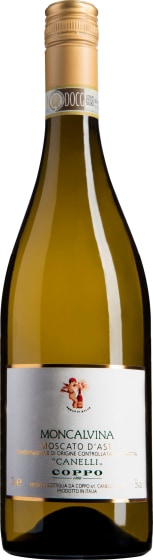
Bubbles have a way of making wine feel like a celebration rather than a test. Prosecco is Italy's easygoing sparkler, with lively fizz and soft flavors of pear and white flowers. Moscato d'Asti is lightly sweet and only gently fizzy, with ripe peach and apricot notes and a very low alcohol level of around 5 percent. Served well chilled, both feel bright and playful, which is exactly why they make such reliable crowd-pleasers and easy gifts.
Reds and rosés are not off-limits for beginners. The trick is choosing styles that are low in tannin and full of fresh fruit, so you get flavor without the drying grip. These three deliver softness and easy charm in a glass.
1. Off-Dry and Fruity Rosé
Rosé sits comfortably between white and red, which makes it a natural stepping stone. An off-dry, fruity rosé leads with flavors of strawberry and watermelon and carries just a hint of sweetness to keep everything soft. It has almost none of the drying texture that puts newcomers off red wine, and it tastes best served cold. Pink wine ranges from barely sweet to fully dry, so there is a version here for nearly every palate.
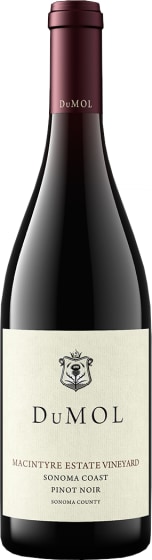
If bold reds have burned you before, start with the lightest ones. Gamay, the grape behind Beaujolais, is bright and juicy, bursting with red-berry flavor and barely any tannin. Pinot Noir is silky and light-bodied, with gentle notes of cherry and a smooth, easy finish. Both feel a world apart from a heavy, grippy Cabernet, which is why they win over so many people who thought all reds tasted harsh. Serve them slightly cool to make them feel even more refreshing.
Sonoma Coast, Sonoma County, California ● Pinot Noir
98 James Suckling
97 Vinous
96 Robert Parker
96 Wine Enthusiast
95 Jeb Dunnuck
Sold Out - was $115.00
3. Sweet Sparkling Reds: Lambrusco
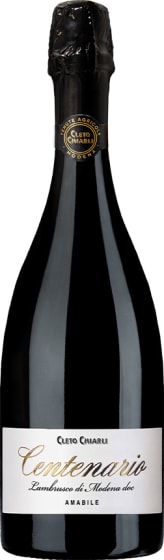
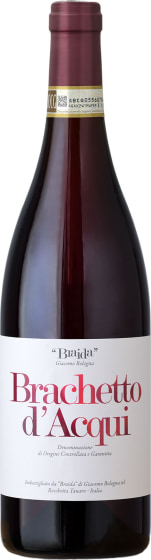
For anyone who wishes wine tasted more like juice, this is the style to reach for. Lambrusco is a lightly fizzy red from Italy that is often gently sweet, with flavors of ripe blackberry and cherry and a fun, refreshing bubble. Brachetto d'Acqui does something similar in an even softer, more floral register. Both are low in tannin and served chilled, so they feel light and playful, and they rarely taste "boozy." These are the wines that most often surprise a confirmed wine skeptic.
A few small choices at the table can make any of these wines taste even smoother. How you serve a bottle matters almost as much as which one you pick.
Chill sweet and sparkling wines well - cold temperatures keep them crisp and refreshing, and tame any sense of heaviness
Pour smaller glasses - a modest pour stays cool longer and feels less intimidating than a big glass
Match sweet wines with spice - a lightly sweet white or sparkling cools the heat of spicy noodles or curry
Pair soft reds with simple food - a fruity Gamay or Pinot Noir loves pizza, roast chicken, or a burger
Serve rosé with fresh, light dishes - salads, grilled vegetables, and seafood let its fruit shine
If you are choosing wine for a friend who insists they don't like it, the same rules apply: keep it soft, sweet, and well chilled. For a deeper playbook on winning over a reluctant drinker, see our guide on how to please picky drinkers.
Wine-for-Beginners Questions, Answered
What Wine Should I Try First if I Don't Like Wine?
Start with a sweet or off-dry white, or a gentle sparkling wine. Styles like Moscato, sweet Riesling, and Moscato d'Asti are soft, fruity, and low in alcohol, which removes the two things newcomers dislike most: bitterness and a strong, harsh feel. Serve your first glass well chilled to keep it bright and easy. If that first sip goes down smoothly, you have already found proof that wine can suit your taste.
Should I Start with Red or White Wine?
White or sparkling wine is usually the easier place to begin, since these styles tend to be lighter and free of drying tannin. Once you feel comfortable, you can ease into reds by choosing the softest ones first. Gamay and Pinot Noir are light, fruity, and smooth, so they make a gentle bridge from white to red. There is no rule that says you must like reds at all, so follow whatever tastes good to you.
Is There a Wine That Tastes Like Juice or Doesn't Taste Like Alcohol?
Yes, and this is one of the most reassuring things a newcomer can learn. Lightly sweet, fizzy styles come closest to that juicy, fruit-forward feel. Lambrusco tastes like ripe berries with a playful bubble, Moscato is soft and peachy, and Brachetto brings sweet, floral fruit to the glass. All three are low in alcohol and low in tannin, so they feel a long way from anything sharp or boozy.
What Should I Bring for Someone Who Says They Don't Like Wine?
Pick a lightly sweet sparkling wine or a Moscato, since these are the lowest-risk crowd-pleasers you can buy. Their gentle sweetness and soft bubbles tend to charm even committed skeptics, and they suit a casual dinner or a small celebration. Bring it well chilled and ready to open. You are far more likely to win someone over with a soft, fruity bottle than with a big, dry red.
Do I Have to Spend a Lot to Find a Wine I Like?
Not at all, and price is a poor guide to whether you will enjoy a wine. Many of the most approachable beginner styles are genuinely accessible, with excellent options available for under $20. What matters far more than cost is matching the style to your taste, so focus on soft, sweet, and low-tannin wines first. As your confidence grows, you can decide whether pricier bottles are worth exploring.
Where to Start with Wine
Keep a simple cheat sheet in mind as you begin. Start with sweet or soft styles like Moscato, sweet Riesling, or a fruity rosé, chill sweet and sparkling wines well before pouring, and remember that low-tannin reds like Gamay and Pinot Noir are your friends when you want to try something darker. Those three moves alone will steer you clear of almost everything that turns newcomers off wine.
With more than 16,000 wines to choose from, Wine.com makes it easy to explore every one of these styles and find the versions that click with your palate. You can compare soft whites, gentle sparklers, and easygoing reds all in one place, and lean on expert curation to point you toward the friendliest bottles for a beginner.
When you are ready to take that first step, browse wines for beginners at Wine.com and pick a bottle that matches the style that sounds best to you. There is a wine out there you will genuinely enjoy, and finding it is easier than you think.