Viognier vs Chardonnay, Explained: Flavor, Pairings, and What to Buy
Chardonnay and Viognier ("vee-own-YAY") are the most instructive comparison in white wine. Both grapes produce full-bodied wines capable of aging in oak, yet they smell and taste like they come from different planets. Understanding what separates them will sharpen how you evaluate every white wine you pour.
Understanding Viognier and Chardonnay
Chardonnay's origins trace to Burgundy, where DNA analysis confirmed it as a natural cross between Pinot Noir and Gouais Blanc. That parentage makes it a genetic sibling to Gamay Noir, Melon, and Aligoté. Chardonnay buds early and ripens early, which makes it productive and adaptable. It thrives on limestone and calcareous clay soils, and it has colonized virtually every wine-producing country on earth. From the chalky slopes of Chablis to the sun-drenched hillsides of Napa Valley, Chardonnay bends to its environment like no other white grape. Winemakers prize it for its malleability: barrel fermentation, barrel maturation, malolactic conversion, and lees stirring all leave distinct fingerprints on the finished wine.
Viognier's story is smaller and more precarious. By the late 1960s, the variety had nearly gone extinct in the Northern Rhône. Susceptibility to coulure (poor fruit set during flowering) and stubbornly low yields made it a financial risk few growers were willing to take. The grape's revival began as global interest in Rhône varieties spread during the 1980s. California went from 25 planted acres in 1982 to nearly 3,000 by 2010, with the Central Coast leading expansion. Today, Viognier has established footholds in Virginia, Australia's Eden Valley, and southern France outside its ancestral home.
Why These Two Grapes Get Compared
On paper, Viognier and Chardonnay share more structural DNA than most white wine pairings. Both produce medium- to full-bodied wines. Both respond to oak aging. Both sit in a low-to-medium acidity range compared to varieties like Riesling or Sauvignon Blanc. The divergence is aromatic. Chardonnay's perfume is subtle and fruit-driven, shaped more by where it grows and how it is made than by any single signature scent. Viognier announces itself the moment you lift the glass, with intense floral and stone-fruit aromatics that define the grape regardless of origin. That split between a chameleon and a peacock is what makes tasting them side by side so revealing.
How Viognier and Chardonnay Taste
1. Chardonnay's Flavor Spectrum
Climate is the biggest variable in Chardonnay's flavor profile. In cool regions like Chablis, Mâconnais, or parts of Sonoma Coast, expect green apple, lemon zest, wet stone, and a chalky mineral finish. Warmer sites in Napa, the Central Coast, and parts of Australia push the fruit toward peach, melon, and tropical notes like pineapple and guava. The gap between those two poles is wide enough that many drinkers do not realize they are tasting the same grape.
Oak amplifies the range further. Barrel fermentation and aging introduce vanilla, toast, butter, and hazelnut. Extended lees contact adds creaminess and a biscuit-like quality that fills out the midpalate. Stainless steel keeps everything lean and bright. This versatility is Chardonnay's defining trait: no other white grape can credibly produce both a razor-sharp Chablis and a rich, golden Montrachet.
2. Viognier's Aromatic Signature
Where Chardonnay adapts, Viognier insists. The grape's calling card is intense perfume: honeysuckle, orange blossom, jasmine, and May blossom leap from the glass before you take a sip. Stone fruit follows, with apricot, white peach, and mango forming the core palate. Some bottlings carry a ginger or baking-spice note that adds complexity without heaviness.
Viognier's acidity runs lower than Chardonnay's, which creates a round, almost oily mouthfeel. That combination of intense aromatics and soft acidity is why Viognier often tastes sweeter than it actually is. The perceived sweetness comes from scent and texture, not residual sugar. Most Viognier is vinified dry. Winemakers tend to use minimal oak for this reason: heavy barrel influence would mask the floral aromatics that make Viognier distinctive. Stainless steel or neutral oak preserves the grape's personality.
3. The Key Differences, Side by Side
Aromatics: Chardonnay is subtle and fruit-driven, shaped by climate and winemaking; Viognier is intensely perfumed and floral regardless of origin
Acidity: Chardonnay ranges from medium to high; Viognier sits in the low-to-medium range
Body: Both are medium to full
Mouthfeel: Chardonnay spans crisp to creamy depending on style; Viognier is consistently lush and oily
Oak role: Oak often defines Chardonnay's character; Viognier typically sees minimal oak to preserve aromatics
Aging: Chardonnay can age 2–10+ years; Viognier drinks best at 1–5 years
Perceived sweetness: Chardonnay gives a drier impression; Viognier seems sweeter despite similar residual sugar levels
Where Each Grape Thrives
1. Chardonnay Regions Worth Knowing
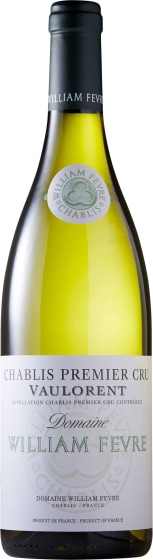
Burgundy remains the reference point. Chablis, on the region's northern edge, produces Chardonnay of startling minerality from Kimmeridgian limestone. Move south to the Côte de Beaune and the wines gain weight, with villages like Meursault and Puligny-Montrachet setting the global standard for barrel-fermented white wine. California's contributions are equally significant: Napa and Sonoma produce rich, fruit-forward styles, while the Central Coast (particularly Santa Barbara County) has carved out a reputation for balanced, site-driven bottlings. Keep an eye on South Africa's Stellenbosch and Elgin districts, where cooler maritime climates are producing Chardonnays with a tension and freshness that reward close attention.
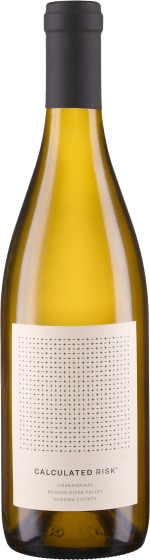
Russian River, Sonoma County, California ● Chardonnay
90 Wilfred Wong
$44
$21.97
2. Viognier's Strongholds
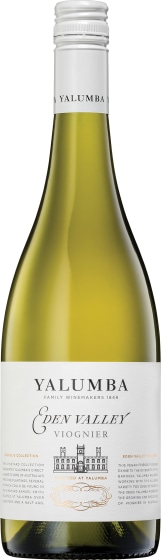
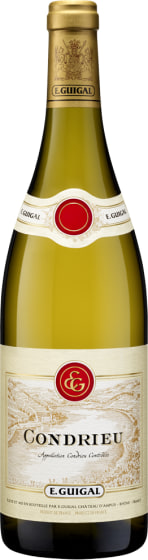
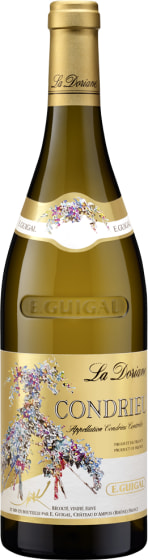
The Northern Rhône is where Viognier reaches its highest expression. Condrieu is the appellation synonymous with the grape, producing highly fashionable, aromatic wines that command serious prices. Château-Grillet, a single-estate appellation within the same stretch of terraced granite hillside, is undergoing a restoration under the ownership of the Château Latour estate. Beyond France, California's Central Coast and Sierra Foothills have become reliable sources of well-priced Viognier with generous fruit. Virginia considers Viognier its signature white grape: the variety's thick-skinned berries handle humid summers better than Chardonnay. In Australia, Yalumba initiated the first commercial Viognier plantings in Eden Valley in 1980, and the region continues to produce some of the grape's most expressive examples outside of France.
Full-bodied/oaked: lobster in drawn butter, creamy pasta, Brie, roasted poultry with pan sauce
2. What Viognier Does Best at the Table
Viognier's low acidity and floral aromatics make it a natural partner for cuisines built on spice and fragrance. Thai green curry, Moroccan tagine, and Vietnamese pho all work because the wine's soft structure complements aromatic heat without clashing the way a high-acid white might. The floral perfume echoes the herbs and spices on the plate rather than fighting them.
Beyond spice-driven dishes, Viognier pairs well with seared scallops, fruit-glazed poultry (think apricot-roasted chicken thighs), and aromatic cheeses like Époisses or washed-rind styles. The pairing logic is consistent: match the wine's round, perfumed character with food that shares those qualities.
What to Spend on Viognier and Chardonnay
1. Under $20: Everyday Pours
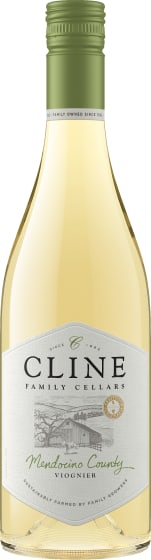
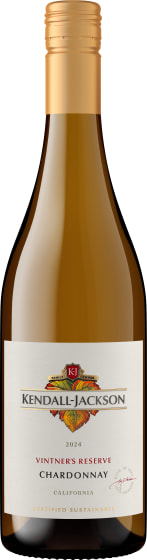
At this price, Chardonnay offers the most reliable quality floor of any white grape. Regional blends from California, Chile, and southeastern Australia deliver clean fruit, balanced oak (if any), and easy-drinking appeal. Viognier under $20 tends to be fruit-forward and straightforward. You will find the variety's signature apricot and floral notes, though without the concentration and textural depth of higher-tier examples. Both grapes are solid everyday choices at this level, with Chardonnay providing more variety in style.
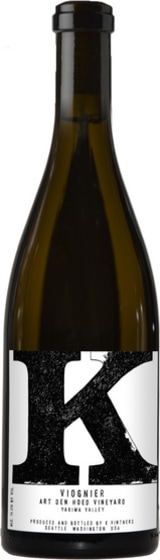
This is where both grapes start showing site-specific character. Chardonnay in this range includes village-level Burgundy, single-vineyard California bottlings, and premium Australian labels that reward attention. Viognier opens up to include entry-level Condrieu, serious California producers, and Australian wines with real concentration and aromatic complexity. Single-vineyard bottlings typically yield 1–2 tons per acre versus 4–6 tons for broader regional blends. That reduced yield translates directly into intensity and texture you can taste in the glass. Producers working at this level are making deliberate choices about farming, sorting, and fermentation that separate their wines from the tier below.
Yakima Valley, Columbia Valley, Washington ● Viognier
94 Jeb Dunnuck
92 Vinous
90 Robert Parker
Sold Out - was $30.00
3. $50 and Above: Collector Territory
Above $50, Chardonnay enters the world of Premier and Grand Cru Burgundy, top-tier California single-vineyard wines, and cult producers with long waiting lists. These wines reward cellaring and develop extraordinary complexity over a decade or more. Viognier at this price means top Condrieu cuvées and rare single-vineyard bottlings where yields are minuscule and every barrel is selected. One factor driving prices at this level: new French oak barrels run $1,200+ per barrel, and the best producers use a high proportion of new wood for their flagship wines. Whether the investment lands on Chardonnay or Viognier depends on your priorities: Chardonnay offers aging potential and evolving complexity, while Viognier delivers peak aromatic intensity meant for drinking within a shorter window.
Both grapes are almost always vinified dry, meaning they contain very little residual sugar. Viognier's perceived sweetness comes from two sources: its intense floral and stone-fruit aromatics, and its lower acidity. When acidity is low, your palate reads the wine as rounder and softer, which the brain interprets as sweetness. If you taste a Viognier and a dry Chardonnay side by side, the Viognier will seem sweeter even though the sugar levels may be identical.
Can You Substitute Viognier for Chardonnay in Recipes?
Yes, with one caveat. Viognier's floral aromatics can shift the flavor profile of a dish in ways Chardonnay would not. In a cream sauce or risotto, the swap works well because cooking mutes the perfume and the round body behaves similarly. For recipes where the wine is added raw or as a finishing splash, Viognier may introduce a floral note that changes the character of the dish. Taste as you go and adjust.
Does Viognier Age as Well as Chardonnay?
In most cases, no. Top Chardonnay, particularly from Burgundy's Grand Cru vineyards, can develop and improve for a decade or longer. Viognier's aromatic intensity is its greatest asset and its biggest limitation in the cellar: those perfumed floral notes fade within a few years, and the wine's lower acidity provides less structural support for long aging. Drink most Viognier within one to five years of the vintage for the best expression of what the grape does well.
What's the Best Way to Serve Viognier vs Chardonnay?
Temperature matters more than glassware for both grapes. Serve unoaked or lightly oaked Chardonnay at 45–50°F to keep the acidity bright. Fuller, oak-aged Chardonnay benefits from a slightly warmer 50–55°F, which lets the texture and complexity open up. Viognier performs best at 50–55°F. Serving it too cold mutes the aromatics that define the grape, and those aromatics are the whole point.
Is Viognier a Good Alternative if I Love Chardonnay?
If you enjoy full-bodied, creamy Chardonnay and want to explore something new, Viognier is an excellent next step. The body and weight will feel familiar, while the aromatic profile will be distinctly different. Start with a mid-range California or Australian Viognier, which tends to be fruit-forward and approachable. If you prefer lean, mineral-driven Chardonnay styles like Chablis, Viognier's lush texture may feel like a departure. In that case, try a cooler-climate example from Virginia or the Adelaide Hills to find a version with more lift and restraint.
Picking Your Viognier or Chardonnay
There is no wrong answer between these two grapes. Your preference comes down to what you want in the glass on a given evening: the chameleonic range of Chardonnay, which can be lean or lush depending on where it grows and how it is made, or the bold aromatic signature of Viognier, which delivers a consistent personality regardless of origin.
Both grapes reward exploration across price tiers and regions. Start with a side-by-side tasting: pick one Chardonnay and one Viognier at the same price point, pour them next to each other, and pay attention to how differently they smell before you even take a sip. That single comparison will teach you more about white wine structure than a dozen tasting notes ever could.