The Unoaked Chardonnay Guide for New Wine Drinkers
Unoaked Chardonnay is Chardonnay made without any oak, so it tastes crisp and fresh instead of rich and buttery. It comes from the same grape as the golden, buttery Chardonnay many people already know, just made a different way. That one choice opens up a wide range of styles, from the lean, stony wines of Chablis to the riper, fruit-forward bottles of California.
What Unoaked Chardonnay Is and Why It Matters
Think of Chardonnay as a blank canvas: the grape itself is fairly neutral, so the winemaker's choices shape most of its flavor. The biggest choice is whether to use oak, which is simply wood from the barrels that some wines age in. Leave the oak out, and the grape's own fresh fruit and bright acidity take center stage.
Oaked vs. unoaked, in plain terms: oaked Chardonnay ages in wood barrels that add flavors like vanilla, toast, and butter. Unoaked Chardonnay skips the wood, so it tastes lighter, crisper, and more like fresh fruit.
What Makes a Chardonnay Taste Oaky
Oak flavor starts in the barrel. When Chardonnay ages in a wooden barrel, the wood slowly gives the wine flavors like vanilla, toast, baking spice, and a faint smoky edge. Barrel makers also heat the inside of each barrel over a flame, a step called toasting, and that toasting is where much of the vanilla and caramel character comes from.
A second source of richness is malolactic fermentation, a natural process that softens the wine's sharp acidity and can turn it round and creamy. It is the main reason some Chardonnay tastes like melted butter. Winemakers can encourage this process or hold it back, depending on the style they want.
Price offers a clue about how the oak flavor got there. A brand-new French oak barrel costs more than $1,200, and each one can only be used for a limited amount of wine. A bottle that sells for under $20 cannot cover that expense, so its oaky taste usually comes from oak chips or thin strips of wood called staves added to the tank, not from aging in a real barrel.
How Winemakers Leave the Oak Out
To keep Chardonnay fresh, winemakers reach for containers that add no flavor of their own. The most common is the stainless steel tank, a sealed metal vessel that keeps the wine crisp and lets the fruit stay in focus. Because steel is neutral, nothing leaches into the wine, so what you taste is the grape itself.
Some winemakers use old barrels instead. A barrel that has already held several batches of wine has given up most of its oak flavor, so it acts almost like a neutral container while still letting the wine breathe. The result stays clean and lively, with little to none of the vanilla or toast that a new barrel would add.
What Unoaked Chardonnay Tastes Like
Unoaked Chardonnay tastes bright, clean, and refreshing. The fruit leads: think green apple, pear, and lemon, with an occasional hint of white peach or melon. You will also notice lively acidity, the tart quality that makes your mouth water and keeps the wine feeling crisp.
The body tends to be light to medium, which means the wine feels more like water than cream in your mouth. The finish, the flavor that lingers after you swallow, is usually short and zesty rather than warm and heavy. Serve it well chilled, around 45–50°F, to keep those fresh flavors sharp.
Set it next to an oaked Chardonnay and the contrast is easy to spot. The oaked version feels fuller and softer, with vanilla, butter, and toast layered over the fruit. The unoaked version feels leaner and more energetic, with the fruit and acidity out front. Neither is better; they simply suit different moods and meals.
How to Spot and Avoid Oaky Chardonnay When You Shop
The label tells you more than you might expect, once you know the words to look for. A few key terms signal whether a bottle leans crisp or rich, and the region printed on the front often gives it away too.
Words that signal unoaked: unoaked, unwooded, stainless steel, inox (French for stainless steel), sans chêne (French for "without oak"), and acero (Italian for steel) all point to a fresh, crisp style
Words that signal oak is present: barrel-aged, barrel-fermented, oak, toasty, vanilla, buttery, and creamy all suggest the richer, rounder style
Regions that skew unoaked: bottles labeled Chablis or Mâcon are almost always made without heavy oak, so they work as a reliable shortcut
Back-label descriptor clues: words like crisp, bright, zesty, mineral, and citrus usually mean little or no oak, while rich, round, and toasty point the other way
Unoaked Chardonnay Styles by Region
Where a Chardonnay grows shapes how it tastes, even when the oak is left out. These four regions show how unoaked styles range from crisp and stony to ripe and fruity.
1. Chablis and France
Chablis is a cool region in northern France, and it makes what many people consider the purest unoaked Chardonnay in the world. Almost every bottle skips new oak, so the wine shows off crisp acidity and a stony, mineral character that comes from the region's limestone soils. Many drinkers pick up a chalky, flinty edge, a little like the smell of wet stones after rain.
Beyond Chablis, other parts of France such as the Mâcon area in southern Burgundy also turn out easygoing, unoaked Chardonnay for casual drinking. These wines stay approachable and fresh, which makes them a friendly starting point.
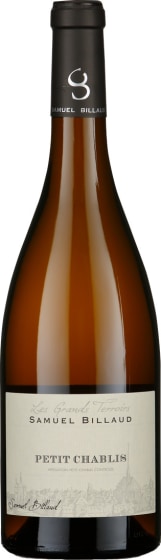
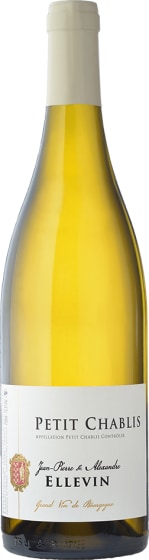
Petit Chablis, Chablis, Burgundy, France ● Chardonnay
Sold Out - was $30.00
2. California
California is best known for rich, oaky Chardonnay, but a growing number of producers now make a crisp, unoaked California Chardonnay. These wines lean into the state's sunny ripeness, so expect fuller fruit like yellow apple, pineapple, and a touch of citrus. The result feels rounder and juicier than Chablis while still staying clean and refreshing.
If you find pure Chablis a bit too lean for your taste, a California unoaked bottle is a natural next step. It keeps the freshness you want while adding a little more weight and fruit.
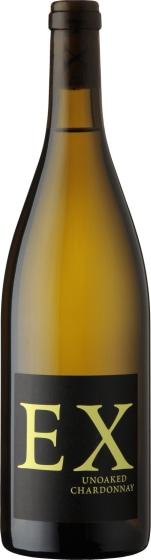
Santa Clara Valley, San Francisco Bay, Central Coast, California ● Chardonnay
Sold Out - was $20.00
3. Oregon and Cool-Climate USA
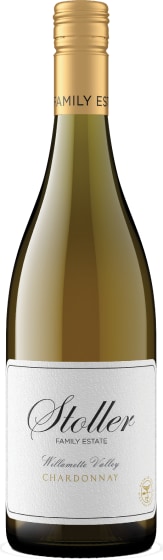
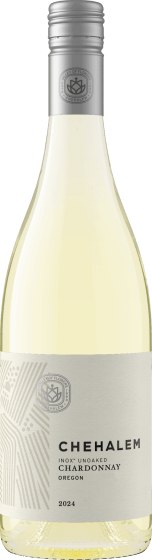
Oregon sits farther north than California, and its cooler weather gives Oregon Chardonnay a naturally leaner, brighter shape. Unoaked bottles from here tend to show tart orchard fruit, a squeeze of lemon, and a clean, snappy finish. They land somewhere between the stony bite of Chablis and the riper fruit of California.
Other cool-climate spots around the country are heading the same direction, trading heavy oak for freshness. That makes this a fun corner of the wine aisle to explore once you know you like the crisp style.
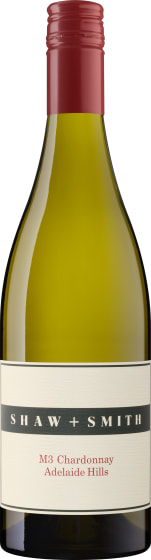
Cooler corners of Australia and New Zealand have embraced bright, minimally oaked Chardonnay. These wines tend to be zesty and light on their feet, with crisp citrus and green-apple flavors and a mouth-watering finish. They make an easy introduction to the fresh side of the grape.
Adelaide Hills, South Australia, Australia ● Chardonnay
93 Australian Wine Companion
93 James Suckling
93 Wine Spectator
92 Robert Parker
Sold Out - was $42.00
What to Eat with Unoaked Chardonnay
Unoaked Chardonnay's fresh acidity makes it one of the most food-friendly white wines you can pour. It works with light dishes that a richer, oaky wine would overwhelm, and it earns a spot in the kitchen too.
Fresh seafood and shellfish: oysters, shrimp, and grilled white fish all click with the wine's crisp acidity and clean finish
Salads and vegetables: green salads, roasted asparagus, and herb-forward dishes stay bright next to a lean, unoaked pour
Soft cheeses and light pasta: goat cheese, a lemony pasta, or a simple risotto match the wine without fighting it
Cooking with the bottle: use unoaked Chardonnay to build pan sauces, steam mussels, or deglaze a pan, since its bright acidity lifts a dish the way a squeeze of lemon does
Weeknight takeout: sushi, spring rolls, and lighter Thai dishes pair easily, which makes this a low-stress choice for a casual dinner
Common Questions About Unoaked Chardonnay
Is Unoaked Chardonnay the Same as Chablis?
Not exactly, though they are closely related. Chablis is a specific region in France that happens to make its Chardonnay without oak, so all Chablis is unoaked, but not all unoaked Chardonnay is Chablis. You can find the same fresh, crisp style from California, Oregon, Australia, and many other places. Think of Chablis as one famous member of a much larger family.
Does Unoaked Chardonnay Have Less Alcohol Than Oaked?
Usually not by much. Alcohol comes from how ripe the grapes are at harvest, not from whether the wine sees oak. A cool-climate unoaked bottle can run slightly lighter, but the oak itself adds no alcohol either way. If alcohol level matters to you, check the figure printed on the label instead of guessing from the style.
Is Unoaked Chardonnay Sweet or Dry?
It is almost always dry, which simply means it is not sweet. Chardonnay is fermented until nearly all the grape sugar turns into alcohol, so very little sweetness is left behind. The ripe fruit flavors can trick your palate into thinking a wine is sweet, but that is fruit, not sugar. If you want something crisp and clean rather than sweet, unoaked Chardonnay fits the bill.
Can I Cook with Unoaked Chardonnay?
Absolutely, and it is one of the best whites for the job. Its bright acidity and lack of oak keep sauces clean and fresh instead of bitter, which is a real risk with heavily oaked wine. Use it for pan sauces, seafood, risotto, or anywhere a recipe calls for dry white wine. A good rule: if you would happily drink it, it will cook well too.
Is Butter Chardonnay Oaked or Unoaked?
That buttery flavor is a sign of oak, malolactic fermentation, or both, so a butter-forward Chardonnay is the oaked style. The creamy, melted-butter note is exactly what unoaked wines leave out. If you love that richness, unoaked is probably not your match. If it feels too heavy for you, the crisp unoaked style is worth a try.
Where to Start with Unoaked Chardonnay
Keep a few moments in mind as you shop. For a weeknight dinner of seafood or a simple salad, a crisp unoaked Chardonnay is an easy, refreshing pour. When you want something lean and stony, reach for Chablis; when you want a rounder, fruitier take that still stays fresh, a California unoaked bottle delivers.
Wine.com carries unoaked Chardonnay from Chablis and the rest of France, California, Oregon, Australia, and beyond, at prices that suit both a casual Tuesday and a special occasion. That range makes it easy to taste how the same grape shifts from one region to the next without locking into a single style.
The best way to learn your preference is to open a few bottles and compare. Start with one crisp bottle and one riper one, pour them side by side, and notice which fresh style you reach for again. Browse Unoaked Chardonnay at Wine.com to pick your first few.