How to Choose Sweet Riesling: Sweetness, Regions, and What to Try
Sweet Riesling is a style that spans a wide range, from barely-there hints of honey to full dessert-wine richness. If you want sweetness in your glass but aren't sure how much, you're standing at the entrance to one of wine's most rewarding spectrums. This guide covers what makes Riesling sweet, how to read the labels, and which bottles to try at every level.
Sweet Riesling at a Glance
Residual sugar, often shortened to RS, is the measure of sweetness left in a finished wine. During fermentation, yeast converts grape sugar into alcohol. When winemakers stop fermentation early, some of that natural sugar stays behind. The more RS, the sweeter the wine tastes. Think of it like lemonade: the same amount of lemon juice tastes tart with one teaspoon of sugar and mellow with three.
Riesling's sweetness levels follow a rough spectrum. Off-dry wines carry about 10–20 grams per liter (g/L) of RS, enough to soften the edges without tasting overtly sweet. Semi-sweet Rieslings, often labeled Spätlese, sit in the 18–45 g/L range. Fully sweet bottlings land above 45 g/L, and dessert-level wines can climb well past 100 g/L. But the number alone doesn't tell the whole story. What separates Riesling from most other sweet wines is its acidity, which acts as a counterweight to all that sugar.
How Acidity Keeps Sweetness in Check
Riesling is one of the most naturally acidic white grape varieties in the world, and that acidity is the reason a Riesling with 30 g/L of residual sugar can taste less sweet than a Moscato with the same amount. The acid works like a squeeze of lime in a sweet cocktail: it sharpens the flavors and keeps the finish clean instead of sticky. This balance is what makes Riesling the one grape that can carry real sweetness without ever feeling cloying. A well-made sweet Riesling finishes with a brightness that pulls you back for another sip, not a coating of sugar on your teeth.
The Taste of Sweet Riesling
Riesling's sweetness tiers taste genuinely different from one another, not like volume knobs on the same flavor. A barely-off-dry Kabinett from the Mosel and a full Auslese from the Rheingau share a grape variety, but they belong to different moments at the table. Here's what to expect at each level.
1. Off-Dry Riesling
This is the "sweet but not too sweet" zone, and it's the direct answer if you want Riesling with a touch of sweetness that doesn't dominate. Off-dry Rieslings carry enough residual sugar to round out the acidity, landing somewhere between a crisp Sauvignon Blanc and an obviously sweet wine.
Expect flavors of green apple and white peach, with secondary notes of lime zest, honeysuckle, and wet stone. The finish is clean and lifted, not sugary. These wines tend to run 8–11% ABV, lower than most whites, which keeps them light and easy to drink on a weeknight or alongside spicy takeout.
On the label, look for the German terms "Feinherb" or "Halbtrocken," both signaling off-dry. The Kabinett designation also often falls into this range. ABV is a useful shortcut: lower alcohol generally means more residual sugar was left in the wine.
A step up in sweetness, semi-sweet Rieslings bring ripe stone fruit to the foreground. Ripe peach and apricot dominate, with honey and citrus blossom filling in the midpalate. The texture is slightly richer, almost silky, but that signature Riesling acidity still keeps things balanced and drinkable.
These wines land in the 7.5–10% ABV range and carry the Spätlese designation on most German bottles. Spätlese translates to "late harvest," meaning the grapes hung on the vine longer, developing more sugar and deeper flavors. This tier works beautifully at brunch or alongside a cheese board where you want the wine to meet the richness of the food halfway.
Full sweet Riesling is built for dessert or solo sipping after dinner. The flavor profile shifts toward tropical fruit and marmalade, with baked pear and caramel showing up in richer bottlings. These wines are viscous enough that you can see the texture in the glass, clinging to the sides as you swirl.
Labels reading "Auslese" signal this tier in the German system. Auslese means "select harvest," with only the ripest grape clusters making the cut. In the U.S., you'll also find bottles simply labeled "Sweet Riesling" that deliver this level of intensity. Serve these slightly chilled as a dessert course on their own, or pair them with fruit tarts where the wine's sweetness echoes the pastry.
At the top of the sweetness scale sit Beerenauslese (BA), Trockenbeerenauslese (TBA), and Eiswein. These are sipping wines made in tiny quantities from grapes affected by noble rot or harvested frozen on the vine. A single bottle might represent an entire day's harvest from a top vineyard. They're extraordinary experiences, but they're occasion wines, not everyday pours. If you encounter one, treat it like you would a fine spirit: small pours, no rush.
Sweet Riesling by Price: What to Expect at Every Level
A $12 bottle of Riesling and a $45 bottle can both be sweet, but they arrive at that sweetness through different routes. The price gap reflects where the grapes were grown, how selectively they were harvested, and how much care went into balancing sugar with acidity. Here's what each tier delivers.
1. Under $15: Easy-Drinking Sweet Riesling
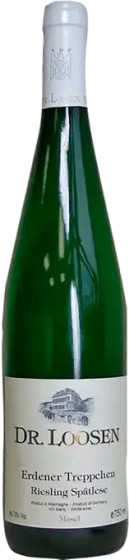
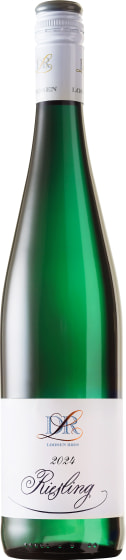
Budget-friendly sweet Riesling tends to come from high-volume producers in Washington State or large-scale German operations that vinify across broad regional appellations. Large-scale producers may make 100,000+ cases of a single SKU, which keeps per-bottle costs low and prices accessible. The trade-off is complexity: these wines are reliably fruity and pleasant, but they won't show the mineral detail or site-specific character of a pricier bottle. Dr. Loosen's "Dr. L" line is a good example of this tier done well, delivering clean, approachable Riesling flavor at a price that works for a Tuesday night.
This is where sweet Riesling gets interesting. Mid-range bottles from the Mosel, the Finger Lakes, and Alsace start showing vineyard character, more layered acidity, and longer finishes. Hand-sorting at harvest eliminates 5–15% of fruit, reducing yields but concentrating the flavors that make it into the bottle. Karthäuserhof, a historic Ruwer estate, demonstrates what this tier can deliver: their Kabinett and Spätlese bottlings carry a precision and focus that budget bottles can't match, with mineral depth that lingers well past the last sip.
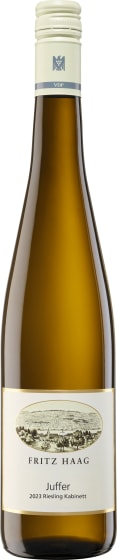
Premium sweet Riesling enters single-vineyard territory, where yields drop to 1–2 tons per acre versus 4–6 tons for broader regional blends. Auslese bottlings from top Mosel producers and late-harvest selections from the Rheingau live here. Fritz Haag's Brauneberger Juffer Kabinett shows what low yields and a legendary vineyard site can produce: concentrated, complex wine with decades of aging potential. At this level, the winemaker is selecting individual grape clusters, and the wines reward patience in the cellar.
Riesling's acidity makes it one of the most versatile food wines in the world, and the sweeter styles open up pairings that dry wines simply can't handle. Match the sweetness level to the dish, and you'll find a pairing for almost any meal.
Spicy takeout (Thai, Indian, Szechuan): off-dry Riesling to cool the heat
Creamy cheeses and charcuterie: semi-sweet Riesling for contrast
Roast pork or glazed chicken: off-dry to semi-sweet for complementary sweetness
Fruit-forward desserts: sweet to late harvest Riesling
Solo sipping, aperitif: off-dry Kabinett, slightly chilled
How to Read a Sweet Riesling Label
German Riesling labels can feel like a language exam, but the Prädikat system is really a sweetness ladder once you know the steps. Here's the cheat sheet.
Trocken: bone-dry, skip if you want sweetness
Feinherb / Halbtrocken: off-dry, the "sweet but not too sweet" zone
Kabinett: light, delicate, usually off-dry to semi-sweet
Spätlese: riper, richer, can be off-dry or noticeably sweet
ABV shortcut: lower ABV (8–11%) generally means more residual sugar
One more useful trick: the International Riesling Foundation created a Taste Profile scale that some producers print on the back label. It shows a spectrum from dry to sweet, giving you a visual read on where the wine falls before you open it.
Sweet Riesling Questions, Answered
Is All Riesling Sweet?
No. Riesling spans the full spectrum from bone-dry to dessert-sweet. Its reputation as a sweet wine is partly a historical artifact from the Blue Nun era, when mass-produced sweet German imports dominated the U.S. market. Most premium Riesling produced today, especially from Alsace, Austria, and top German estates, is dry. The confusion persists because Riesling's intense fruitiness can read as sweetness on the palate even when the wine has no residual sugar at all.
What Is the Difference Between Off-Dry and Sweet Riesling?
Off-dry Riesling carries a touch of sweetness, typically 10–20 g/L of residual sugar, balanced by high acidity so the sugar plays a supporting role rather than leading. Sweet Riesling pushes past 45 g/L, where the sugar becomes a defining characteristic of the wine's flavor and texture. The practical difference shows up at the table: off-dry Riesling works as a food wine across a range of cuisines, while sweet Riesling pairs best with desserts, rich cheeses, or stands on its own as a sipping wine.
What Food Goes Best with Sweet Riesling?
Spicy food is the standout pairing for off-dry and semi-sweet Riesling. The residual sugar tempers chili heat while the acidity keeps your palate refreshed between bites. Beyond spicy cuisine, sweet Riesling pairs well with creamy cheeses, glazed meats, and fruit-based desserts.
Can You Age Sweet Riesling?
Yes, and sweet Riesling is one of the best candidates for aging among all white wines. German Spätlese and Auslese bottlings can develop beautifully over decades, with the high acidity and residual sugar acting as natural preservatives. Aged sweet Riesling trades its primary fruit flavors for honeycomb, petrol, and dried apricot notes that collectors prize. That said, most bottles under $20 are made to drink young, within two to three years of release.
Finding Your Sweet Riesling
There is no wrong level of sweetness. Whether you prefer the barely-there kiss of sugar in an off-dry Kabinett or the full, honeyed richness of an Auslese, the best sweet Riesling is the one that makes you reach for a second glass.
The range within sweet Riesling is wider than most drinkers realize, and tasting across the spectrum is the fastest way to find your preference. Try an off-dry Feinherb alongside a Spätlese from the same producer and you'll taste exactly how much the sweetness level changes the wine's personality.
Wine.com carries one of the largest selections of Riesling available online, from everyday off-dry bottles to collector-grade German estates. Browse Sweet Riesling at Wine.com and find the level that fits your palate.