Sparkling Wine for Mimosas, Explained: Styles, Sweetness, and What to Pour
Choosing sparkling wine for mimosas means choosing for mixing, not sipping. Most guides evaluate bubbles on their own merits, but orange juice changes the equation: sweetness level and value matter more than complexity, and the wrong bottle wastes money without improving the drink. Price matters less than you think. Sweetness level matters more.
Sparkling Wine for Mimosas at a Glance
Orange juice brings two things to a mimosa: sugar and acidity. That means the sparkling wine you pour needs to push back with dryness, crispness, and enough carbonation to keep the drink lively after mixing. A wine that's too sweet turns the cocktail cloying. One that's too expensive buries its best qualities under juice.
Three criteria separate a good mimosa sparkling wine from a mediocre one. First, sweetness: Brut (less than 12 grams of residual sugar per liter) is the standard starting point because it balances the juice's natural sweetness without competing. Second, bubble persistence: you want carbonation that holds up through dilution, not fizz that dies on contact with juice. Third, value: since the wine shares the glass with juice, bottles in the $10 to $25 range deliver what you need without overspending.
The sweetness scale on sparkling wine labels can be counterintuitive. Brut is the driest widely available style. Extra Dry, despite its name, is actually sweeter than Brut (12 to 17 grams of sugar per liter). Demi-Sec is sweeter still, landing in dessert territory.
Extra Dry is actually sweeter than Brut. The naming convention is a holdover from 19th-century taste preferences. For mimosas, reach for Brut: it lets the juice supply all the sweetness the drink needs.
Sparkling Wines That Work for Mimosas
Not every sparkling wine category performs the same way in a mimosa. The four styles below cover the range from everyday brunch pours to occasional splurges.
1. Prosecco
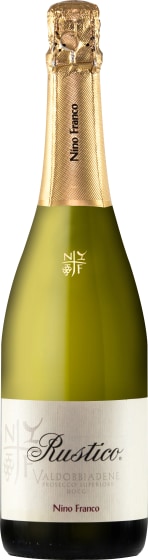
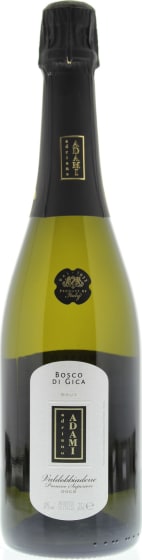
Prosecco is the most popular sparkling wine for mimosas, and for good reason. Made from the Glera grape using the Charmat (tank) method, it delivers light, fruit-forward flavors at an accessible price point, typically $10 to $15 per bottle. Pear and green apple notes complement citrus juice naturally, creating a mimosa that tastes bright and clean.
The Charmat method ferments the wine in large pressurized tanks rather than individual bottles, which keeps production costs low and preserves the grape's fresh, fruity character. That efficiency is part of why Prosecco dominates the brunch table.
When shopping, pay attention to the sweetness designation. Prosecco Brut is the driest option and the best fit for mimosas. Prosecco Extra Dry has slightly more residual sugar, which can work if your juice is tart (fresh-squeezed grapefruit, for example), but Brut is the safer bet with standard orange juice.
Cava comes from Spain's Penedès region and is made using the traditional method, the same process used for Champagne. Each bottle undergoes a secondary fermentation inside the bottle itself, which produces finer, more persistent bubbles than the tank method. That bubble quality holds up well when mixed with juice.
The primary grapes are Xarello, Macabeo, and Parellada, which contribute citrus, almond, and mineral notes. At $10 to $25 per bottle, Cava delivers traditional-method quality at tank-method prices. Standard Cava ages at least nine months on the lees. Reserva requires a minimum of 18 months. Gran Reserva demands 30 months, adding depth and complexity that you can taste even through orange juice.
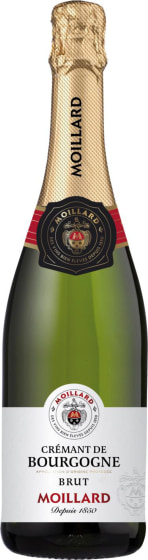
Crémant is France's answer to affordable traditional-method sparkling wine. Made using the same process as Champagne but from regions outside Champagne's borders, it typically costs a fraction of what Champagne commands. The result is a wine with creamy texture and fine carbonation that works well in mimosas where you want a touch more elegance.
Three regions stand out. Crémant d'Alsace accounts for roughly 22% of Alsace's total wine production and draws on Pinot Gris, Pinot Blanc, Pinot Noir, and Riesling for bright, aromatic character. Crémant de Loire leans on Chenin Blanc for a rounder, slightly honeyed profile. Crémant de Bourgogne uses Chardonnay and Pinot Noir, echoing Champagne's grape varieties at a friendlier price.
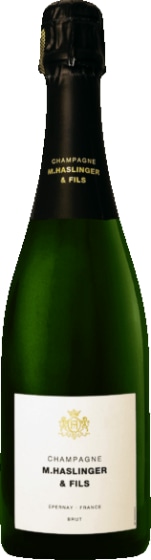
Champagne's complexity, toasty depth, and structured acidity justify its price when you are sipping it on its own. In a mimosa, juice masks most of those qualities. For everyday brunch occasions, that premium goes to waste.
The exception: a single mimosa served as a toast at the start of a celebration. In that context, good Champagne elevates the moment in a way that a $12 Prosecco cannot. If you want to explore Champagne on its own terms, the sparkling wine guide covers styles, regions, and what to look for in more detail.
Domestic sparkling wines have earned their place on the brunch table. California and New Mexico both produce bottles that balance quality and value for mixing.
5. California Sparkling
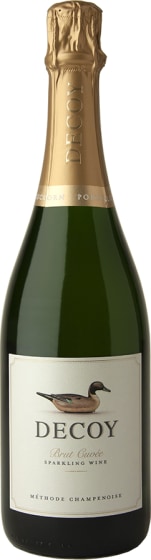
California's best sparkling wine regions, Sonoma, Carneros, and Anderson Valley, produce Brut cuvées that combine ripe fruit character with balanced acidity. These wines tend to show more apple and citrus intensity than their European counterparts, which pairs naturally with juice.
The $10 to $20 range is where California sparkling wine shines for mimosa purposes. Bottles in this tier offer clean fruit, reliable carbonation, and enough structure to stay lively in a mixed drink.
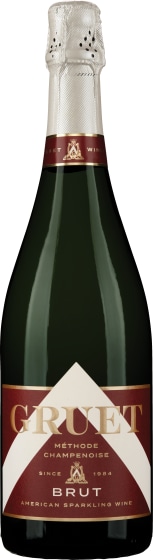
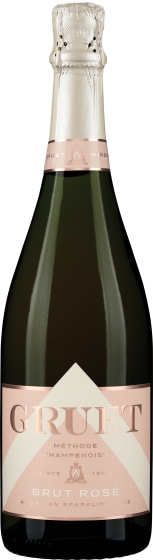
New Mexico is an unexpected source of excellent sparkling wine. The high desert climate produces grapes with bright natural acidity, and the state's leading sparkling wine producers have built a reputation for consistent quality at brunch-friendly prices.
The price you pay for mimosa sparkling wine depends on the occasion. A casual weekend brunch calls for a different budget than a wedding shower where mimosas are the main event.
1. $10–$20
This is the sweet spot for most brunch occasions. Bottles in this range, primarily Prosecco, entry-level Cava, and domestic sparkling wines, deliver clean fruit, steady carbonation, and enough balance to stand up to juice without demanding attention on their own. Bubble persistence and fresh acidity are better here than at the bottom shelf, where flat, sugary wines often disappoint.
Spend here when the gathering is smaller and the mimosas are the centerpiece. Traditional-method wines dominate this tier: Cava Reserva (aged at least 18 months on the lees), Crémant from Alsace or Burgundy, and entry-level Champagne. The secondary fermentation in each bottle adds production cost compared to the tank method used for most Prosecco, but it also produces finer bubbles and a creamier texture that you can taste even in a mixed drink. For a brunch of four to six people where you are pouring two or three bottles total, the per-person cost increase is modest and the quality difference is noticeable.
Serving temperature: Chill sparkling wine to 40–45°F before serving. Too cold mutes the flavor; too warm lets the bubbles dissipate quickly
Ratio: The classic mimosa is 1:1 sparkling wine to juice. For a more wine-forward drink, try 2:1, which lets the sparkling wine's character come through
Juice pairings beyond OJ: Grapefruit juice adds tartness. Peach nectar creates a Bellini-style drink. Mango juice brings tropical richness. Cranberry juice adds color and a dry, tannic edge
How many bottles: One standard bottle of sparkling wine makes approximately five mimosas. Plan on two to three drinks per guest for a two-hour brunch, which means one bottle for every two guests
Mimosa bar setup: Set out two to three different sparkling wines (a Prosecco, a Cava, and a rosé sparkling, for example) alongside four to five juices and garnishes like fresh berries, mint, or citrus slices. Let guests mix their own combinations
Sparkling Wine for Mimosas Questions, Answered
Should I Use Champagne or Prosecco for Mimosas?
Prosecco is the better choice for most mimosa occasions. Its light, fruity character complements juice without fighting it, and its lower price means you can pour generously without wincing. Champagne's complexity, toasty notes, and structured acidity are largely lost when mixed with orange juice. Save Champagne for sipping on its own, or reserve it for a single celebratory toast mimosa where the gesture matters as much as the flavor.
What Does "Brut" Mean on a Sparkling Wine Label?
Brut indicates that a sparkling wine contains less than 12 grams of residual sugar per liter, making it dry enough for mimosas without adding excessive sweetness on top of the juice. The sweetness scale runs from Brut Nature (bone dry, essentially zero sugar) through Extra Brut, Brut, Extra Dry, Dry, Demi-Sec, and Doux (the sweetest). The confusing part is that "Extra Dry" is sweeter than "Brut," a naming quirk that trips up even experienced wine shoppers. For mimosas, stick with Brut or Extra Brut.
How Many Bottles of Sparkling Wine Do I Need for Brunch?
A standard 750ml bottle of sparkling wine yields about five mimosas when mixed at a 1:1 ratio with juice. For a two-hour brunch, plan on two to three mimosas per guest. That means one bottle covers two guests comfortably. For a party of ten, buy five to six bottles. Add one extra bottle as a buffer: running out of sparkling wine at brunch is a problem that's easier to prevent than to solve.
Can I Use Sweet Sparkling Wine for Mimosas?
You can, but the result will be noticeably sweeter than a traditional mimosa. Moscato d'Asti and Asti Spumante both have high residual sugar, which combined with orange juice creates a drink closer to a dessert cocktail. If that is what you are after, go for it. For a balanced, brunch-appropriate mimosa, Brut sparkling wine gives you better results because it lets the juice provide the sweetness while the wine provides the structure and fizz.
What Is the Best Sparkling Wine for a Mimosa Bar?
Stock three bottles with different profiles: one Prosecco Brut for crowd-pleasing fruit and easy drinking, one Cava Brut for guests who prefer something crisp and mineral-driven, and one rosé sparkling for color and berry notes that pair well with peach and cranberry juices. This trio covers the full range of guest preferences without overcomplicating the setup. Buy enough of each so no one style runs out early.
Ready to Pour Sparkling Wine for Mimosas
For a casual weekday brunch, a $12 Prosecco Brut mixed 1:1 with fresh OJ does the job perfectly. For a smaller gathering where the mimosas are the main attraction, step up to a traditional-method Cava or Crémant in the $20 to $30 range for finer bubbles and more texture. And if you are hosting a celebration where the first toast matters, one bottle of entry-level Champagne makes a memorable opening pour before switching to something more affordable for refills.
Trying different styles is half the fun. Pour a Prosecco and a Cava side by side at your next brunch and taste how the bubbles, fruit, and acidity differ, even through the juice. Swap in grapefruit or peach juice and notice how the pairing shifts. A mimosa bar is one of the easiest ways to explore sparkling wine without committing to a full bottle of anything.