Sparkling Rosé, Explained: Styles, Regions, and What to Pour
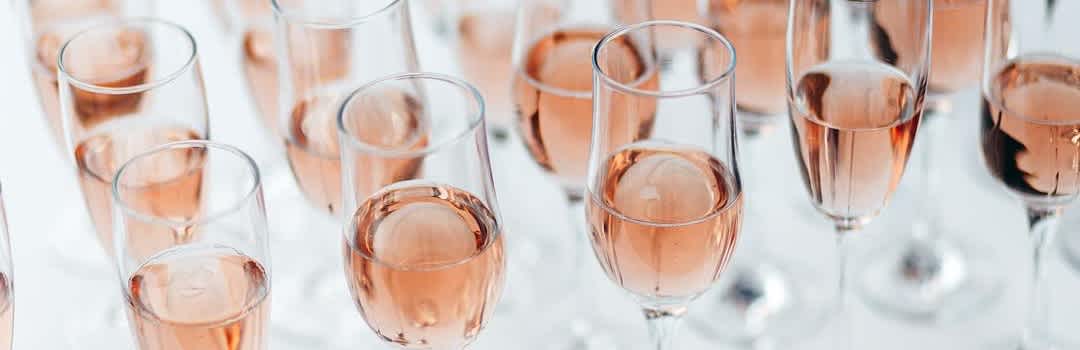
Sparkling rosé is exactly what it sounds like: a pink sparkling wine that combines the fruit-forward appeal of rosé with the lift and texture of bubbles. The category spans everything from a light, strawberry-scented Prosecco Rosato to a structured, toast-layered Champagne rosé, and the range of styles, price points, and production methods is wider than most people expect. That diversity is also what makes it one of the most versatile wines to pour, whether you are planning a brunch spread or looking for something to open on a Tuesday.
Sparkling Rosé at a Glance
The color in your glass and the bubbles in the bottle both come from deliberate winemaking decisions, and those decisions shape everything from flavor to price. Two questions define any sparkling rosé you pick up: how the pink got in, and how the fizz got in.
How the Color Gets In
Most sparkling rosé gets its pink hue one of two ways. In the blending method, a winemaker adds a small amount of finished still red wine to a base of white sparkling wine before the final bottling. The result tends to be precise and consistent from year to year. The saignée method takes a different route: red grape skins sit in contact with the juice for a short period, usually just a few hours, and the winemaker "bleeds off" the lightly tinted juice before it absorbs too much color or tannin. Saignée wines often carry a bit more body and berry intensity because the skin contact contributes flavor along with color.
Why the Bubbles Method Matters
The traditional method, used in Champagne, Crémant, Franciacorta, and most Cava, creates bubbles through a second fermentation inside each individual bottle. That bottle aging on spent yeast cells (called lees) builds the bready, toasty, creamy texture you find in pricier sparkling rosé. The Charmat method, used for Prosecco and many everyday sparklers, runs the second fermentation in a large pressurized tank. Tank fermentation preserves fresh fruit character and produces a lighter, frothier mousse. Neither method is better in absolute terms, but the choice directly affects what ends up in your glass. Traditional-method wines tend to feel more layered and structured. Charmat wines lean bright, fruity, and immediately refreshing.
How Sparkling Rosé Tastes (And Why It Varies)
The flavor gap between a $15 sparkling rosé and a $60 bottle often shows up first in texture: the expensive one tends to have a finer, more persistent bead and a creamier mouthfeel, where the affordable one delivers a quick burst of fruit and fizz. Both are valid pleasures, and knowing what drives the difference helps you pick the right bottle for the right moment.
On the lighter end of the spectrum, Charmat-method sparkling rosé leans toward fresh strawberry, watermelon, and white peach. The bubbles are playful and the finish is short. Traditional-method sparkling rosé from Champagne or Franciacorta introduces more complexity: think red currant, dried raspberry, brioche, and a hint of almond on the finish. The mousse feels tighter and more integrated. Between those poles, you will find Crémant and premium Cava, which offer toasty depth at friendlier prices. The grape varieties matter too. Pinot Noir-driven sparkling rosé tends toward red fruit and structure. Wines built on Garnacha or Trepat often deliver softer berry notes with floral edges.
Sparkling Rosé by Region
Sparkling rosé comes from almost every major wine-producing country, but four regions account for the vast majority of what you will find on shelves. Each region brings its own grape varieties, production rules, and price expectations, so the region on the label tells you a lot about what is inside the bottle.
1. France: Champagne Rosé and Crémant
Champagne rosé sets the benchmark for the category. Made by the traditional method and built primarily on Pinot Noir, Pinot Meunier, and Chardonnay, these wines spend a minimum of 15 months aging on lees, and most prestige cuvées go well beyond that. The result is a sparkling rosé with fine, persistent bubbles, red fruit layered over biscuit and citrus peel, and a finish that lingers. Champagne rosé can be made by either blending or saignée, and the house style varies accordingly. Expect to pay $40 and up for entry-level Champagne rosé, with prestige bottlings climbing significantly higher.
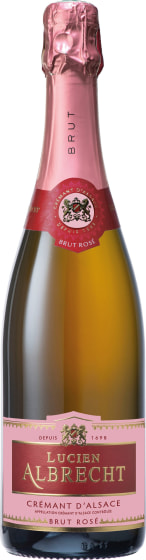
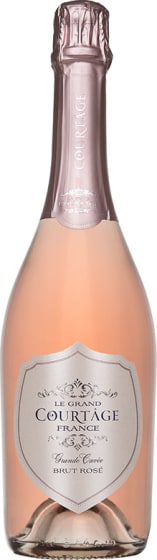
Crémant offers a compelling alternative for anyone who enjoys the traditional-method style at a lower price. Crémant d'Alsace, Crémant de Loire, and Crémant de Bourgogne all follow similar production rules to Champagne but use regional grape varieties and shorter minimum aging times. The quality can be remarkably close to Champagne, especially in the rosé category, and most bottles land in the $15 to $30 range.
2. Italy: Franciacorta and Lighter-Bodied Sparkling Rosé
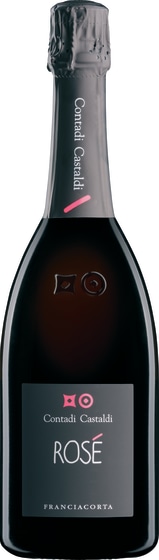
Franciacorta is Italy's traditional-method region, producing sparkling rosé from Chardonnay, Pinot Noir, and Pinot Blanc in Lombardy. These wines undergo bottle aging similar to Champagne and deliver a comparable richness, often at slightly lower prices. Look for notes of wild strawberry, hazelnut, and citrus blossom. For something lighter and more immediately refreshing, Charmat-method sparkling rosé from southern France and other Mediterranean producers offers easy-drinking fruit at a gentler price point.
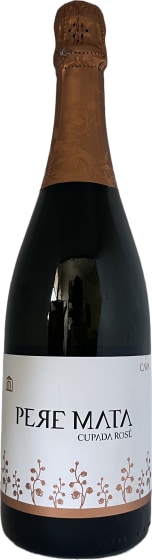
Cava rosado is one of the best-value sparkling rosé categories on the market. Made by the traditional method in the Penedès region near Barcelona, Cava uses indigenous grapes like Trepat and Garnacha alongside Pinot Noir to produce a sparkling rosé with soft red berry fruit, gentle spice, and fine bubbles. Spain's sparkling wine tradition dates back to the 1870s, and producers have had well over a century to refine the style. Many premium producers harvest in multiple passes over two to four weeks, selecting fruit at different ripeness levels to build complexity in the final blend. Most Cava rosado lands comfortably under $20, making it an easy everyday pour.
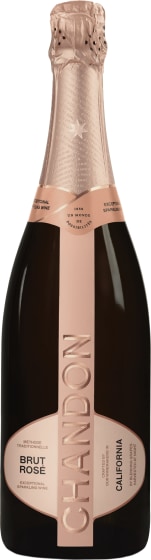
California's best sparkling wines come from cool-climate areas like Carneros and the Anderson Valley, where fog and ocean influence keep temperatures moderate enough for Pinot Noir and Chardonnay to develop flavor without losing acidity. Several producers in these regions use the traditional method and extended lees aging, producing sparkling rosé that competes directly with Champagne in structure and complexity. You will also find approachable Charmat-method options from larger California producers, which deliver ripe strawberry and peach at accessible prices. Beyond California, New World sparkling rosé is emerging from places like Tasmania, South Africa, and England, though selection in the U.S. market remains limited.
Single-vineyard bottlings typically yield one to two tons per acre versus four to six tons for broader regional blends, and that yield difference is one of the biggest reasons sparkling rosé prices vary so much. Method, aging time, and vineyard sourcing all factor into what you pay, but each price tier delivers genuine pleasure on its own terms.
1. Under $20: Everyday Sparkle
This is the tier for weeknight pours and casual gatherings. Most bottles here use the Charmat method or shorter lees aging, which keeps production costs down and preserves bright, fresh fruit character. You will find plenty of Cava rosado, entry-level French sparkling rosé, and some lighter California options in this range. The bubbles tend to be frothy, the fruit leans toward strawberry and peach, and the finish is clean and short. These are not wines to overthink. Chill them down, pour them generously, and enjoy.
This range is where sparkling rosé gets interesting. Traditional-method production, longer lees aging, and more careful vineyard sourcing start showing up at this price. Crémant rosé, premium Cava, and mid-range California sparkling rosé all live here. The mousse is finer, the flavors more layered, and you start tasting the toasty, bready notes that come from extended contact with lees. New French oak barrels run $1,200 and up per barrel, and a standard 225-liter barrel holds about 300 bottles, so even a modest oak program adds several dollars per bottle in production cost. For a dinner party or a gift, this tier offers a real step up from everyday sparklers without requiring a Champagne budget.
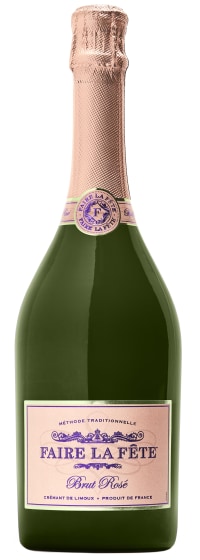
Cremant de Limoux, Limoux, Languedoc, South of France, France ● Sparkling Rosé
92 Tasting Panel
91 Wilfred Wong
$28.97
$28.97
3. $40 and Above: Champagne Rosé and Beyond
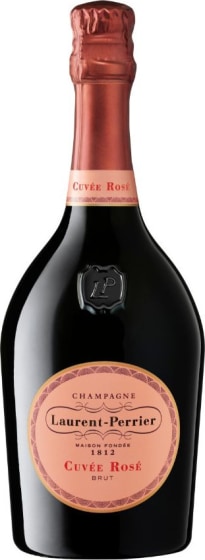
Champagne rosé dominates this tier, and the pricing reflects a combination of vineyard land costs, mandatory aging minimums, and small-scale production. Laurent-Perrier Cuvée Rosé, one of the most recognizable Champagne rosé bottlings, uses 100% Pinot Noir and the saignée method, producing a wine with deep salmon color, red currant intensity, and a long, structured finish. Premium Franciacorta and prestige California cuvées also compete at this level. What you are paying for here is complexity, aging potential, and a level of detail in the bubbles that you can feel: a persistent, creamy bead that carries flavor across your palate. These are wines for celebrations, milestone dinners, or the kind of quiet evening when you want something genuinely special in your glass.
Sparkling rosé is one of the most food-friendly wines you can pour, and brunch is where it shines brightest. The combination of acidity, fruit, and bubbles cuts through rich dishes while complementing lighter fare, making it a natural fit for tables where the menu ranges from savory to sweet.
Brunch pairings:
Eggs Benedict or quiche: The acidity in a traditional-method sparkling rosé lifts the richness of hollandaise and egg yolk, keeping each bite from feeling heavy
Smoked salmon and bagels: A Crémant rosé or Champagne rosé matches the smoke and brine while adding a citrusy counterpoint
Fresh fruit and pastries: Charmat-method sparkling rosé, with its ripe berry and peach notes, mirrors the flavors in fruit tarts, croissants, and berry compotes
Avocado toast: The wine's acidity and bubbles cut through the fat in avocado, especially when the toast has a squeeze of lemon and a pinch of chili flake
Beyond brunch:
Charcuterie and cheese boards: Sparkling rosé pairs well with cured meats like prosciutto and sopressata, and softer cheeses like brie and fresh chèvre
Shellfish and raw bar: Oysters, shrimp cocktail, and ceviche all benefit from the wine's bright acidity and delicate fruit
Sushi and sashimi: Lighter sparkling rosé, especially Charmat-method styles, complements the clean flavors of raw fish without overpowering them
Strawberry desserts: A demi-sec or off-dry sparkling rosé echoes the fruit while its bubbles lighten the sweetness of panna cotta, shortcake, or chocolate-dipped berries
Sparkling Rosé Questions, Answered
Is Sparkling Rosé the Same as Rosé Champagne?
Rosé Champagne is one specific type of sparkling rosé, but the category is much larger. Sparkling rosé includes any pink sparkling wine from any region, made by any method. Champagne rosé must come from the Champagne region of France, use approved grape varieties (primarily Pinot Noir, Pinot Meunier, and Chardonnay), and undergo traditional-method production. Calling all sparkling rosé "Champagne" is like calling all sparkling wine "Champagne": technically inaccurate and a disservice to the many other excellent regions producing their own styles. If you see "Champagne" on the label, you know exactly where it came from and how it was made.
What's the Difference Between Prosecco Rosé and Champagne Rosé?
The differences are significant. Prosecco Rosé (officially Prosecco DOC Rosé) uses the Charmat method with Glera and Pinot Noir grapes, producing a lighter, fruitier wine with a frothy mousse and a lower price point, typically $12 to $20. Champagne rosé uses the traditional method with Pinot Noir, Pinot Meunier, and Chardonnay, delivering a more structured wine with finer bubbles, toasty complexity, and a longer finish, at $40 and above. Think of Prosecco Rosé as the casual option for a sunny afternoon, and Champagne rosé as the pick for a dinner that calls for something more layered.
Can You Serve Sparkling Rosé at Brunch?
Sparkling rosé might be the single best wine category for brunch. Its natural acidity handles the richness of eggs and cured meats, the bubbles cleanse your palate between bites, and the fruit character works with both savory dishes and sweet pastries. For a crowd-pleasing pick, start with a Cava rosado or Crémant rosé in the $15 to $25 range. If you want to impress, a Champagne rosé anchors the table with a bit more elegance.
How Long Does Sparkling Rosé Last After Opening?
Plan to finish it the same day you open it. Sparkling wine loses its carbonation faster than still wine, so an opened bottle will taste noticeably flatter after 24 hours, even with a sparkling wine stopper. A good stopper helps preserve some fizz overnight, but the mousse and aromatics are always best within a few hours of popping the cork. If you have leftover sparkling rosé the next morning, it still works fine for cocktails or as a base for mimosas.
Is There a Good Non-Alcoholic Sparkling Rosé?
The non-alcoholic sparkling rosé market has improved dramatically. Several producers now use dealcoholization or arrested fermentation to create zero-proof sparkling rosé with genuine fruit character and a satisfying mousse. The best options taste like a lighter version of Charmat-method sparkling rosé: bright berry, a touch of citrus, and real effervescence. Look for brands that specify how the alcohol was removed, which tends to correlate with better flavor retention. Non-alcoholic sparkling rosé works well for designated drivers, early afternoon gatherings, and anyone looking to cut back without giving up the experience of opening a festive bottle.
Picking Your Sparkling Rosé
For a brunch spread, a fruit-forward Crémant rosé or Cava rosado in the $15 to $25 range handles everything from eggs Benedict to pastries without competing for attention. For a date night or anniversary dinner, a Champagne rosé brings the structure and complexity to match richer dishes and bigger moments. For stocking your fridge with an everyday sparkling option, Cava rosado under $20 gives you traditional-method quality at a price that does not make you think twice about opening a bottle on a weeknight.
The category rewards exploration. Try a Franciacorta rosé next to a California sparkling rosé from Carneros, or put a Charmat-method bottle alongside a traditional-method one from the same price range. The differences are real and easy to taste, and you will develop a clear sense of what you prefer after just a few side-by-side pours.
With thousands of sparkling rosé options from every major wine region, finding the right bottle is less about rules and more about matching the style to the moment. Browse Sparkling Rosé at Wine.com to explore the full range and find what fits your table.