Smooth Red Wine, Explained: Styles, Bottles, and What to Pour First
Red wine has a reputation for being bold, dry, and a little bit serious. But plenty of reds are soft, round, and easy to enjoy from the very first sip. Smooth reds are the entry point most new red-wine drinkers find first: wines with soft tannins, ripe fruit, and no rough edges to work around.
This guide breaks down what "smooth" actually means in wine terms, walks through the styles that deliver it most consistently, and recommends specific bottles worth trying tonight. Every wine term gets a plain-language definition, and every recommendation comes with a reason, not just a rating.
What Makes a Red Wine Smooth
"Smooth" is one of the most common words people use to describe wine they enjoy, but it points to something specific: texture. When a red wine feels smooth, it means the tannins are soft, the body is balanced, and nothing in the glass grabs your attention for the wrong reason.
Tannins are natural compounds found in grape skins, seeds, and stems. They create a drying, slightly gripping sensation on your tongue and gums, similar to the feeling of over-steeped tea. Red wines have more tannins than whites because the juice spends time in contact with the grape skins during winemaking. Wines with very firm tannins can feel rough or astringent, while wines with soft, rounded tannins feel plush and easy to drink.
Body refers to how heavy or light the wine feels in your mouth, like the difference between skim milk and whole milk. Lighter-bodied reds tend to feel smoother because they carry less weight and intensity. Acidity is the bright, crisp quality that makes your mouth water. A wine with moderate acidity and soft tannins will feel rounder and more approachable than one with high acidity and firm structure.
The grapes themselves matter, too. Some varieties, like Merlot and Pinot Noir, naturally produce softer tannins, while others, like Cabernet Sauvignon and Nebbiolo, produce more assertive ones. (For a broader look at how types of red wine differ, start with the major grape families.)
Winemaking decisions amplify these differences. Fruit-forward wines, meaning wines where ripe fruit flavors like plum, cherry, or blackberry lead the way, tend to taste smoother because the fruit balances the tannin grip. Oak aging, the process of maturing wine in wooden barrels, also rounds out tannins over time. The gentle oxygen exchange through the wood softens the wine's texture while adding notes of vanilla, toast, or spice.
How to Spot a Smooth Wine Before You Buy
Critics and winemakers rarely write the word "smooth" on a label or shelf tag. Instead, they use more specific descriptors that all point to the same experience. When you see these terms on a bottle, a product page, or a tasting note, they are telling you the wine leans smooth:
Velvety: the tannins feel dense but soft, like running your hand across velvet. Common in Merlot and Malbec.
Silky: lighter and more delicate than velvety, with tannins that barely register. Pinot Noir is the classic silky red.
Supple: the wine bends rather than grips; the texture is flexible and easy, with no hard edges.
Round: all the elements (fruit, acidity, tannins) are in balance, with no single component sticking out. A round wine feels complete.
Plush: rich and cushioned, with generous fruit filling out the texture. Often used for ripe, warm-climate reds.
Polished: the tannins have been refined through aging or winemaking technique, leaving a clean, well-finished texture.
Soft tannins: a direct description meaning the tannins are gentle rather than firm or drying.
Integrated tannins: the tannins have merged into the wine's overall texture rather than standing apart. A sign of good aging or careful winemaking.
Elegant: the wine has restraint and finesse; nothing is heavy-handed. Elegance often implies smoothness with a lighter touch.
Approachable: ready to drink now, without needing years of aging to soften. A wine described as approachable is almost always smooth.
If a tasting note mentions "firm tannins," "grippy," "structured," or "austere," those are signals pointing in the opposite direction.
The Smoothest Red Wine Styles
1. Soft and Fruit-Forward: Merlot
Merlot is the classic entry point for red wine, and for good reason. It delivers ripe plum, black cherry, and chocolate flavors wrapped in soft, velvety tannins that rarely bite. California and Washington State produce some of the most approachable versions, where warm growing conditions push the fruit forward and keep the tannins gentle.
A good Merlot should feel plush and round, like biting into a ripe dark plum. The finish, meaning the flavor that lingers after you swallow, tends to be smooth and warm rather than drying.
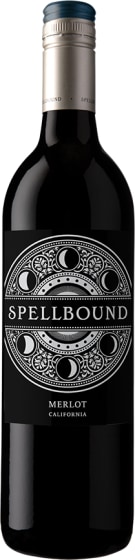
The Spellbound Merlot is a textbook starting point: ripe cherry and cocoa at a price that makes experimentation easy. For a step up in complexity, the Chateau Ste. Michelle Indian Wells Merlot layers dark fruit with a touch of mocha and baking spice from oak aging, while staying soft and approachable. Both are wines you can open tonight without any advance planning.
Pinot Noir is the lightest of the major red grapes, and its texture is more silk than velvet. Where Merlot coats the palate, Pinot Noir glides across it. Expect red fruit flavors like strawberry, raspberry, and cherry, often with earthy undertones of mushroom or forest floor and a lower alcohol level that keeps things bright.
Oregon's Willamette Valley, a cool-climate growing region in the Pacific Northwest, and California's Sonoma Coast, a foggy coastal stretch north of San Francisco, are two of the strongest regions for Pinot Noir in the U.S., producing wines with enough structure to be interesting but enough softness to be welcoming. Pinot Noir is also one of the most food-friendly reds, pairing well with everything from roasted salmon to mushroom pasta.
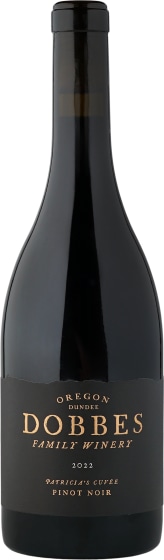
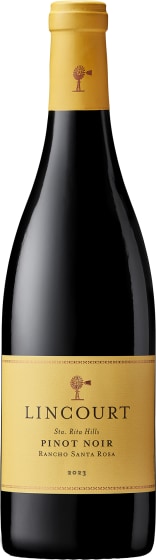
The Dobbes Family Winery Patricia's Cuvee Pinot Noir from Oregon's Willamette Valley delivers classic red cherry and earthy spice with a silky, lingering finish. For an everyday option, the Lincourt Rancho Santa Rosa Pinot Noir brings bright raspberry and cranberry in a lighter, refreshing style. Pinot Noir rewards curiosity: once you find a version you like, exploring different regions becomes genuinely fun.
Sta. Rita Hills, Santa Barbara, Central Coast, California ● Pinot Noir
94 James Suckling
90 Tasting Panel
Sold Out - was $45.00
3. Juicy and Spiced: Red Blends and Grenache
Red blends take a different approach to smoothness: instead of relying on a single grape, winemakers combine multiple varieties to fill in each other's gaps. One grape brings fruit, another adds body, a third contributes spice or structure. The result is often a wine that feels complete and balanced without any single element dominating.
California red blends are designed with drinkability in mind, and many bottles in the under-\$20 range are purpose-built for drinkability, blending multiple varieties for balance. Grenache (also called Garnacha in Spain) is a key grape in many smooth blends, contributing red fruit, warmth, and delicate tannins. In France's Côtes du Rhône region, Grenache leads blends with Syrah (a darker, spicier grape) and Mourvèdre (which adds body and structure) to create wines that are juicy, gently spiced, and reliably approachable.
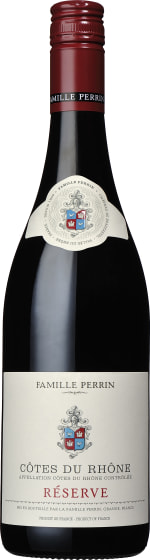
Silk and Spice Red Blend lives up to its name: layers of dark berry and warm spice with a plush, almost creamy texture. The Famille Perrin Reserve Côtes du Rhône Rouge brings a more savory character, with raspberry, dried herbs, and a soft, medium-bodied finish that pairs naturally with roasted meats. Both are the kind of bottles that disappear at a dinner party.
Argentina made Malbec its own, and the country's high-altitude vineyards in Mendoza, Argentina's premier wine-growing province in the Andes foothills, produce some of the most consistently smooth, crowd-pleasing reds available. Expect deep, inky color, plush dark fruit flavors like blackberry and plum, and tannins that feel rounded rather than rough. Malbec also tends to have a slightly smoky, spiced quality that adds depth without adding harshness.
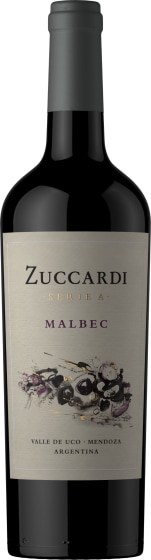
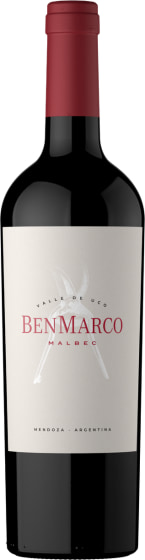
Zuccardi Serie A Malbec is a reliable introduction: concentrated blackberry and violet aromas, soft tannins, and a clean finish. BenMarco Malbec offers a more layered experience, with dark plum, black pepper, and a touch of minerality (a stony, earthy quality some tasters notice in wines from rocky soils) from higher-elevation vineyards. Both are natural choices for a weeknight steak dinner or a casual gathering where you want a red that everyone at the table will enjoy.
Carménère is Chile's signature red grape, and it produces some of the most distinctive smooth wines on this list. Originally from Bordeaux, the grape found its true home in Chile's warm central valleys, where it ripens fully and develops rich, dark fruit flavors alongside a subtle green pepper or herbal note that gives it character.
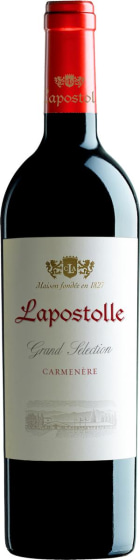
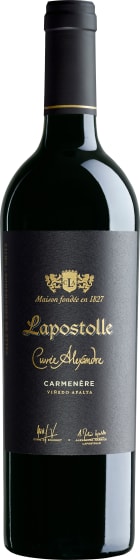
The texture is plush and almost satiny, with tannins so soft they barely register. Lapostolle Grand Selection Carménère is a great entry point: dark cherry and plum with hints of coffee and a velvety finish that lingers without drying. Lapostolle Cuvee Alexandre Carménère takes it further, with more concentrated fruit, a touch of smoked spice, and a fuller body that still feels polished rather than heavy. Carménère is a smart pick for anyone who likes the softness of Merlot but wants something with more personality.
Spain's Rioja region produces some of the most elegant, approachable reds in Europe, built around the Tempranillo grape. What sets Rioja apart is the way Spanish winemakers use oak aging to soften and transform the wine before it ever reaches the shelf. Rioja wines are classified by how long they age: Joven (young, little to no oak) and Crianza (aged at least two years, with one year in barrel) are the most beginner-friendly tiers.
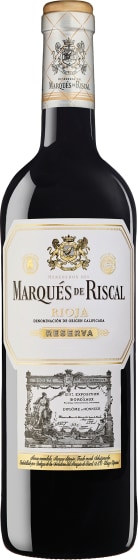
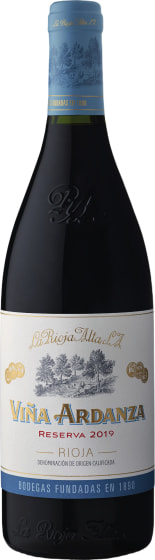
The result is a wine with cherry and plum fruit, warm notes of vanilla and leather from the oak, and tannins that have already mellowed. Marqués de Riscal Rioja Reserva, aged even longer than Crianza, delivers cherry, dried fig, and toasted vanilla with a silky, refined texture. La Rioja Alta Viña Ardanza Reserva is a step up in depth and complexity: think dried cherry, tobacco leaf, and warm spice, with a finish that stretches and evolves. Rioja rewards patience, but even entry-level bottles arrive ready to drink.
Mencia comes from Bierzo, a mountainous region in northwest Spain's Castilla y León province, where it grows on slate and granite soils. The grape produces medium-bodied reds with bright red fruit, floral aromatics, and a mineral edge that sets it apart from Spain's more familiar reds. The tannins are naturally fine and silky, closer to Pinot Noir than to anything from Rioja.
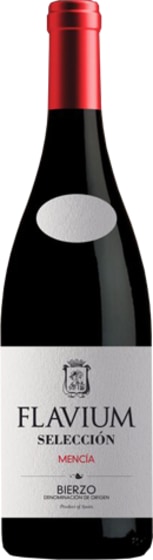
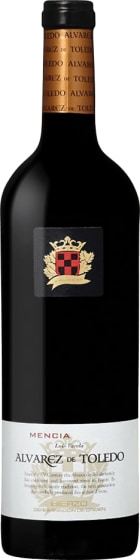
Flavium Seleccion Mencia from Bierzo delivers ripe blackberry and blueberry with balanced acidity and a clean, lifted finish. Alvarez de Toledo Mencia, also from Bierzo, leans more toward red cherry and strawberry with a subtle herbal note and polished tannins. Both come in well under $20, making Mencia one of the better-kept secrets in smooth, affordable red wine.
Temperature makes a real difference. Most smooth reds taste their best slightly cool, around 60 to 65 degrees Fahrenheit. Straight from a warm room, alcohol can dominate the flavor and make the wine taste hotter than it should. If your bottle has been sitting out, 15 to 20 minutes in the refrigerator before opening will bring it into range.
Decanting, which simply means pouring the wine into a wide pitcher or carafe before serving, helps aerate the wine and soften any remaining tannin firmness. Even 15 to 20 minutes of air exposure can make a noticeable difference, especially for younger reds. A wider glass with a larger bowl also helps: more surface area means more aroma reaches your nose, and the wine opens up faster.
What to Eat with Smooth Red Wine
Smooth reds are some of the most versatile food wines because their soft tannins and balanced acidity play well with a wide range of flavors. Here are some reliable starting points organized by style.
Merlot pairs naturally with roasted chicken, pork tenderloin, and mushroom risotto. The wine's plummy fruit and gentle tannins complement savory, umami-rich dishes without overpowering them. Pinot Noir is one of the few reds that works beautifully with fish, especially roasted salmon or seared duck breast. Its lighter body and bright acidity cut through richness without clashing.
Red blends and Malbec are built for casual meals: burgers, pizza, tacos, grilled vegetables. Their fruit-forward character and soft texture match bold, straightforward flavors. Rioja leans toward the savory side and pairs well with lamb, cured meats, and tapas-style spreads with olives, aged cheese, and roasted peppers.
Common Questions About Smooth Red Wine
What Does "Smooth" Mean When Describing Wine?
Smooth describes the texture and mouthfeel of a wine, not a specific flavor. A smooth wine has soft, rounded tannins, balanced acidity, and no harsh or astringent edges. It should feel easy and pleasant in your mouth, without any drying, gripping, or sharp sensation. Think of it as the difference between sandpaper and suede.
Is Merlot the Best Red Wine for Beginners?
Merlot is one of the most reliable starting points for red wine because of its consistently soft tannins and approachable fruit flavors. That said, Pinot Noir, Malbec, and many red blends are equally beginner-friendly. The right choice depends on your taste preferences: if you want lighter and brighter, try Pinot Noir; if you want richer and bolder, try Malbec.
How Much Should I Spend on a Smooth Red Wine?
Many of the wines in this guide fall between \$12 and \$20. As you move above \$20, you tend to get more complexity and nuance, but the smoothness itself is not a function of price. Start in the \$12 to \$15 range and adjust from there based on what you like.
What's the Difference Between Smooth and Dry Red Wine?
These terms describe different things. "Dry" means the wine has little to no residual sugar, so it does not taste sweet. Most red wines are dry. "Smooth" describes texture, specifically how the tannins and acidity feel in your mouth. A wine can be both dry and smooth at the same time, and most of the wines in this guide are exactly that: dry wines with soft, rounded textures.
Can Red Wine Be Smooth and Full-Bodied?
Yes. Malbec and some Rioja Reserva wines are good examples: they have weight and concentration (full body) but their tannins are soft and rounded rather than firm and gripping. Smoothness is about tannin quality and balance, not about how light or heavy the wine feels. You can find smooth wines across the entire spectrum from light-bodied to full-bodied.
Finding Your Smooth Red Wine
The best way to find your favorite smooth red is to start with one style from this guide and pay attention to what you enjoy. If you want more help narrowing it down, Wine.com's wine quiz can match your preferences to specific styles, and the full library of wine guides covers everything from individual grapes to regional deep dives. Note whether you prefer lighter reds like Pinot Noir or richer ones like Malbec, fruit-forward flavors or savory, oak-aged character.