Brisket is one of the most demanding cuts of beef to pair with wine. Its layers of rendered fat, smoky bark, and charred exterior create a flavor intensity that overwhelms lighter wines and rewards bold reds with structure and depth. The right red wine does double duty here, cutting through the richness of the meat while tasting better alongside it than it would on its own.
Red wine for brisket at a glance
Think of tannins as the drying sensation you feel when sipping very strong black tea. That astringent grip comes from compounds in grape skins and seeds, and it plays a critical role at the dinner table. When tannins meet the fat in brisket, they bind to the proteins and oils coating your mouth, essentially scrubbing your palate clean between bites. The result is a cycle where each sip of wine refreshes you for the next forkful, and each bite of brisket softens the wine's grip.
Smoke adds another layer to this partnership. Barrel-aged reds spend months or years absorbing flavors from toasted oak, picking up notes of vanilla, clove, and char. Those oak-derived flavors echo the wood smoke on the brisket itself, creating a bridge between the glass and the plate. Acidity, the third pillar of a good pairing, acts as a palate reset. A red wine with bright acidity keeps the meal from feeling heavy, even after several slices of fatty point cut. Finally, many of the wines that work best with brisket are blends. Most premium Cabernet Sauvignon bottles, for example, include 5–15% Merlot, Cabernet Franc, Petit Verdot, or Malbec to round out the texture and add complexity.
How smoke changes the pairing equation
The type of wood used to smoke brisket shifts the flavor profile enough to change which wine works best. Hickory, the most common choice in competition BBQ, produces a sharp, bacon-like smokiness that pairs well with high-tannin reds like Petite Sirah or Syrah. Mesquite burns hotter and delivers an aggressive, almost bitter char that demands equally bold wines with dark fruit to counterbalance the intensity.
Oak smoke is more subtle, producing a mellow, rounded warmth that works beautifully with oak-aged wines like Rioja or Napa Cabernet. The shared wood character creates a seamless flavor connection between the meat and the glass. Fruit woods like apple and cherry take brisket in a sweeter, lighter direction. These milder smoke profiles open the door to softer reds such as Malbec or Grenache, wines that might get steamrolled by heavier smoke but shine when the smokiness is gentle.
The red wines that stand up to brisket
Brisket demands wines with structure, dark fruit, and enough personality to match smoke and fat. The six varietals below cover the full range of brisket styles, from low-and-slow Texas smokehouse cuts to braised holiday preparations.
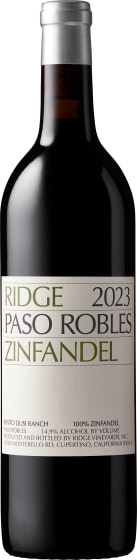
1. Zinfandel
Zinfandel is the classic American BBQ wine for good reason. Its jammy blackberry and boysenberry fruit mirrors the sweet, caramelized bark on a well-smoked brisket, while a peppery spice note adds complexity without competing with the meat. High alcohol, often reaching 14.5–15.5% ABV, gives Zinfandel the body to stand up to rich, fatty bites. Its tannins are moderate rather than aggressive, which makes it forgiving across a range of preparations.
This is the varietal to reach for with Texas-style salt-and-pepper brisket or anything glazed with sweet BBQ sauce. The fruit intensity in the wine matches the sweetness of the sauce, preventing the pairing from feeling lopsided. Zinfandel also goes by Primitivo in Italy, and Paso Robles and Sonoma bottlings tend to be the best brisket companions.
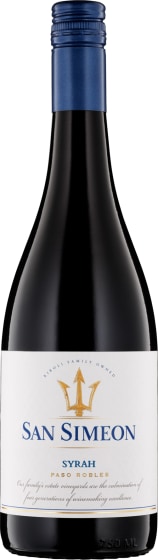
Syrah is brisket's most natural mirror in the wine world. The grape produces wines with built-in black pepper, smoke, and savory meat-like notes that echo the flavors already on the plate. Where Zinfandel brings fruit-forward sweetness, Syrah brings intensity and depth. Its tannins are firm and structured, slicing through fatty point cuts with precision.
Heavily peppered rubs and mesquite-smoked brisket are where Syrah excels. Northern Rhône bottlings from appellations like Côte-Rôtie and Saint-Joseph tend toward elegance, with violet and dark plum aromas layered over a peppery core. Australian Shiraz, the same grape under a different name, leans bolder with richer fruit and a rounder body that works well with intensely smoky preparations.
Paso Robles, Central Coast, California ● Syrah/Shiraz
90 Jeb Dunnuck
Sold Out - was $30.00
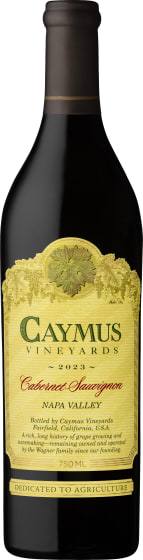
3. Cabernet Sauvignon
Cabernet Sauvignon brings the most structure of any varietal on this list. Firm tannins and high acidity work together to cleanse the palate after each rich, fatty bite, making it the ideal pick for brisket served with minimal sauce where the beef flavor takes center stage. Dark fruit flavors like cassis and blackcurrant complement the charred exterior, while notes of cedar and graphite add a savory dimension.
Most premium Cabernet bottles are not 100% Cabernet Sauvignon. Winemakers blend in small amounts of Merlot for softness, Cabernet Franc for aromatic lift, or Petit Verdot for color and tannic backbone. These blending grapes smooth out Cabernet's sometimes austere edges, creating a wine that is both powerful and approachable. For brisket, that balance matters: a well-made blend has the structure to match the meat and the polish to drink beautifully alongside it.
Alexander Valley, Sonoma County, California ● Cabernet Sauvignon
96 Decanter
93 James Suckling
$99.99
$99.99
4. Malbec
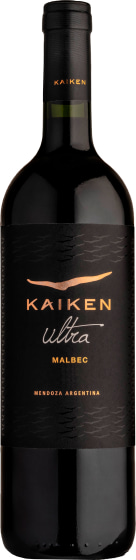
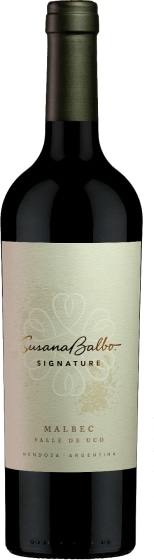
Malbec brings a plush, velvety texture that complements slow-cooked brisket preparations where the meat practically falls apart on the fork. Dark fruit flavors of plum, baked cherry, and cocoa create a rich but not overpowering backdrop. Tannins are moderate and fine-grained compared to Cabernet, making Malbec a gentler pairing that still has enough grip to handle the fat.
Braised brisket and lean flat cuts are where Malbec shines brightest. The wine's soft tannins do not overwhelm the more delicate texture of a braised cut, and its dark fruit enhances the beef without masking it. Argentina's Mendoza region produces the most widely available Malbecs, with a fruit-forward style that is consistently crowd-pleasing.
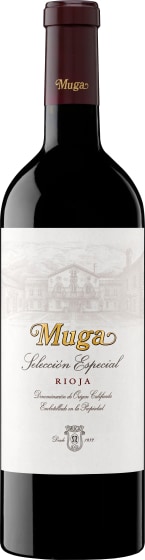
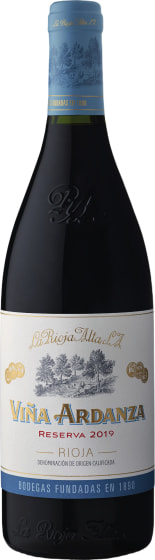
Tempranillo, the signature grape of Spain's Rioja region, develops distinctive notes of tobacco, leather, and vanilla during extended oak aging. Those flavors overlap with the smoky, savory character of wood-fired brisket in a way that feels almost inevitable. Gran Reserva styles, which spend years in barrel and bottle before release, bring layered complexity without overwhelming the meat.
Oak-smoked brisket and mustard-based sauces are particularly good matches. The wine's dried cherry fruit and warm spice complement the tangy bite of mustard, while the oak-derived vanilla bridges the gap between the glass and the smoke. Tempranillo also goes by Tinto Fino in Ribera del Duero and Cencibel in other parts of Spain, though the Rioja expression, shaped by American oak aging, is the most brisket-friendly style.
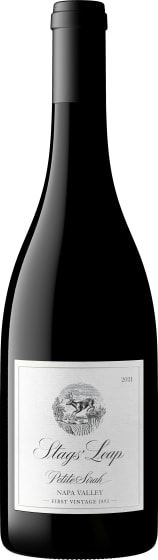
Petite Sirah is the heavyweight of this list. Dense tannins, inky color, and concentrated dark fruit make it a wine built for the boldest brisket preparations. Flavors of blueberry, dark chocolate, and black licorice stand up to heavily charred burnt ends and competition-style brisket where the bark is thick and deeply caramelized.
This is not a subtle pairing. Petite Sirah works best when the brisket itself is bold enough to meet the wine's intensity, so save this one for the smokiest, richest cuts on the table.
Dry Creek Valley, Sonoma County, California ● Petite Sirah
95 Jeb Dunnuck
94 Decanter
93 Wilfred Wong
92 James Suckling
92 Vinous
Sold Out - was $52.00
Red wine for brisket at the table
Picking the right varietal is only half the equation. How the brisket is prepared, what sauce it wears, and what else is on the plate all shift the ideal wine choice.
1. Smoked brisket (Texas-style, no sauce)
Texas-style brisket relies on salt, pepper, and smoke to do all the work, so the wine needs to complement pure beef and wood-smoke flavor. Syrah is the top pick here, with its natural pepper and smoke character creating a seamless connection. Zinfandel is a close second, bringing fruit-forward warmth that softens the intensity of a long smoke session. Serve either at 60–65°F, which you can achieve by pulling the bottle from the fridge about 20 minutes before dinner.
2. Braised brisket
Wine-braised brisket already has wine flavor baked into the meat, which makes Cabernet Sauvignon or a Bordeaux-style blend a natural choice. The wine in the braise concentrates and deepens during cooking, and drinking a similar style alongside it reinforces those flavors. Jewish-style brisket, often braised with onions, tomatoes, and warm spices, takes a different direction. Merlot's soft fruit and low tannins or Chianti Classico's bright acidity and cherry notes both complement the savory-sweet character of the dish.
3. Sweet or spicy sauced brisket
Sauce changes everything. Sweet BBQ sauce calls for a wine with enough fruit to match the sweetness, and Zinfandel is the clear winner with its ripe berry flavors creating a balanced back-and-forth with the glaze. Vinegar-based sauces, common in Carolina-style preparations, need a wine with high acidity to complement the tang. Barbera, with its naturally elevated acid, handles this well. Spicy rubs and hot sauces push the pairing toward Grenache or GSM blends (Grenache, Syrah, Mourvèdre), where lower tannins and ripe fruit cool the heat.
4. Pairing with the full spread
Brisket rarely comes to the table alone. Side dishes like mac and cheese, coleslaw, and cornbread all interact with whatever wine you pour. For a deeper look at pairing wine across the full BBQ spread, Wine.com's BBQ wine pairing guide covers the topic in detail.
Red wine for brisket at every price
You do not need a trophy bottle to make brisket and wine work together. Some of the best pairings happen with bottles that cost less than the meat itself, and understanding what drives wine prices helps you spend wisely.
1. Under $20
California Zinfandel, Argentine Malbec, and Spanish Garnacha all deliver brisket-friendly structure and fruit at everyday prices. Wines in this range typically come from younger vineyards with higher yields, fermented in stainless steel or neutral oak barrels that do not add significant cost. The result is straightforward, fruit-driven wine that does exactly what you need it to do at a weeknight brisket dinner.
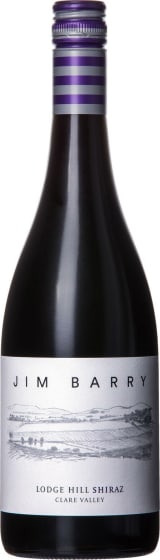
Clare Valley, South Australia, Australia ● Syrah/Shiraz
94 James Suckling
$19.97
$19.97
2. $20–$40
This is the sweet spot for brisket pairing. Paso Robles Zinfandel, Northern Rhône Syrah, and Mendoza Malbec all hit their stride in this range, offering real complexity without requiring a special occasion. The price bump reflects tangible differences in how the wine is made. Vine yields drop and flavor concentration increases significantly after vines reach 10–15 years of age, and many wines in this tier come from vineyards with 20–40 year old plantings. New French or American oak barrels, which add vanilla, spice, and structural tannins, cost substantially more than the neutral barrels used at lower price points.
The extra investment shows up in the glass as more layers, a longer finish, and the kind of structure that improves with 30 minutes of breathing time before dinner. Pour one of these next to an under-$20 bottle with the same brisket, and the difference in depth and persistence becomes obvious.
Adelaida District, Paso Robles, Central Coast, California ● Zinfandel
93 James Suckling
93 Vinous
93 Wine Enthusiast
Sold Out - was $35.00
3. $40 and up
Napa Cabernet, Barossa Shiraz, and Châteauneuf-du-Pape represent the special-occasion tier. These wines come from single-vineyard sites where yields are deliberately kept low, concentrating flavor into fewer clusters per vine. Extended barrel aging, sometimes 18–24 months in new oak, adds structure and complexity. A standard 225-liter barrel holds about 300 bottles of wine, and the best producers use each barrel for only one or two vintages before replacing it, adding significant cost per bottle.
This tier is best reserved for a slow-smoked masterpiece or a holiday centerpiece, where a slower pace at the table lets you appreciate how the wine's flavors evolve alongside the meat. Decant for at least 45 minutes before serving to let the tannins open up fully.
Paso Robles, Central Coast, California ● Syrah/Shiraz
97 Jeb Dunnuck
97 Vinous
96 James Suckling
96 Robert Parker
94 Wine Spectator
Sold Out - was $99.99
Red wine and brisket questions, answered
Does red wine always beat white with brisket?
Red wine has a structural advantage with brisket because its tannins interact directly with the fat, creating a cleansing effect that white wines mostly lack. That said, a heavily oaked Chardonnay can work with lighter brisket preparations, particularly braised versions where the meat is less fatty and the smoke is absent. For smoked brisket with a thick bark, red wine is the stronger choice every time.
How do I know if a wine is too tannic for brisket?
Brisket is one of the most forgiving foods for tannic wine. The fat in the meat softens tannins dramatically, so wines that feel aggressive and astringent on their own often mellow into something smooth and balanced with a bite of brisket. Try tasting the wine by itself first, then take a sip immediately after a bite. If the tannins still feel harsh and drying after the food, the wine may be too young or too extracted for the preparation. In most cases, the fat does the work for you.
Should I cook with the same wine I serve?
You can, but it is not necessary. The wine you use for braising reduces and concentrates during cooking, which means delicate aromas and subtle flavors are lost in the process. A bottle from the same grape variety or region, at a lower price point, works perfectly for the pot. Save the good bottle for the glass, where its nuances will actually be appreciated.
How long should I let the wine breathe before dinner?
Young, tannic reds like Cabernet Sauvignon and Petite Sirah benefit from 30–60 minutes of air exposure before serving. Decanting opens up the aromas and softens the tannins, making the wine more expressive alongside the brisket. Lighter, softer styles like Malbec and Grenache are ready to pour immediately, and if you do not own a decanter, simply uncorking the bottle and pouring a glass 30 minutes early achieves a similar effect.
Does the type of wood smoke change which wine works best?
Yes, and it is one of the most overlooked factors in brisket pairing. Heavier woods like mesquite and hickory produce intense, bitter-edged smoke that pairs best with bold wines such as Petite Sirah and Syrah. Fruit woods like apple and cherry create a lighter, sweeter smoke that opens the door to softer reds like Malbec and Grenache. Oak smoke falls in the middle, working well with barrel-aged wines like Rioja and Napa Cabernet, where the shared wood character creates a natural flavor bridge.
Your next bottle
There is no single correct wine for brisket. The best pairing depends on how the meat is prepared, what sauce it wears, and what you personally enjoy drinking. Open a Zinfandel with your next weeknight brisket, try a Syrah the time after that, and let the pairings that surprise you become the ones you come back to.
Wine.com carries more than 16,000 wines across every varietal and price point covered in this guide, from everyday Malbec under $20 to single-vineyard Napa Cabernet for special occasions. Whatever your next brisket calls for, you can find it and have it delivered to your door. Explore Wine.com's red wine collection