Port and Madeira, Explained: Styles, Flavors, and What to Buy
Port and Madeira were both born on the Portuguese coast, where centuries of Atlantic trade shaped how they were made. Both started as ordinary unfortified wines, and both gained a shot of grape spirit so they could survive long sea voyages, with Madeira Island sitting as a natural port of call along the way. Both are Portuguese fortified wines today, yet they follow very different production philosophies, and that split is what gives each one such a distinct flavor.
Port and Madeira at a Glance
Port is fortified up to roughly 18–20% alcohol, while Madeira is deliberately heated during aging, and those two choices explain almost everything that follows. Port grows in the steep, terraced Douro Valley of northern Portugal, where cool cellars near the coast let the wine rest quietly after fortification. Madeira comes from a volcanic island far out in the Atlantic, where warmth is not a threat to manage but a tool to use. The result is two fortified wine families that share a homeland and almost nothing else on the palate.
The geography sets the intent. Port aims to capture and preserve ripe fruit, so its winemaking works to keep the wine fresh and vivid. Madeira aims to transform the wine entirely, trading fruit for the deep, cooked, savory flavors that heat creates. Once you know which goal a bottle is chasing, its style makes sense.
How Fortification Works Differently
Timing is the whole story. When a winemaker adds grape spirit early, while the yeast is still turning sugar into alcohol, the spirit stops fermentation and leaves a lot of natural grape sugar behind. That is why Port is fortified partway through fermentation and boosted to around 18–20% alcohol: the leftover sugar is what makes it sweet. The spirit acts like a switch, cutting the process short before the yeast can finish its work.
Drier styles take the opposite path. There, the wine is allowed to ferment all the way to dryness, and the spirit goes in only at the end, once most of the sugar is already gone. Madeira uses both approaches across its range, so its sweetness depends on when that spirit arrives. Understanding this single lever, early for sweet and late for dry, unlocks how both wines are built.
Why Heat Changes Everything
Madeira is cooked on purpose, and no other great wine treats heat this way. Producers warm the wine using one of two methods: estufagem, which heats it in tanks over a few months, or canteiro, which ages it slowly in casks stored in warm island lofts. This gentle roasting drives oxidation, giving Madeira its signature nutty, caramelized taste and a bracing acidity that keeps everything lively. The heat builds flavors that fruit alone could never provide.
Port takes the reverse route. It ages in cool, dark cellars with little exposure to air, a reductive process that protects the wine's fresh berry character. That is why a young Port tastes of ripe fruit while a Madeira tastes of toasted nuts and burnt sugar. The same starting point, guided by heat or shielded from it, ends in two completely different glasses.
Port Wine Styles
Port covers a wide spectrum, from bright and youthful to dense and age-worthy, and the differences come down to how long the wine spends in barrel versus bottle. The family also includes a fresh, crisp White Port made from white grapes, often served chilled as an aperitif. The three styles below cover the reds most drinkers reach for first.
1. Ruby Port
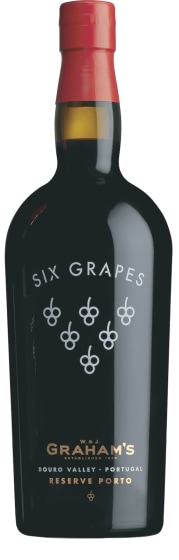
Ruby Port is the youngest and most straightforward style, bottled early to lock in its deep color and bold fruit. Expect flavors of blackberry, ripe plum, and dark cherry, with a warm, fiery kick and very little of the nutty complexity that comes from long barrel aging. It sits at the accessible, entry-level end of the price range, which makes it a friendly starting point. Serve it after dinner or pour it alongside a simple chocolate dessert when you want something rich but uncomplicated. Ruby Port rewards drinking it young, so there is no need to cellar it.
Tawny Port trades bright fruit for the flavors that time in wood creates. As it rests in cask, exposure to air through the barrel staves softens the wine and builds notes of toasted almond, fig, brown sugar, and crème brûlée, all wrapped in a silky texture. Better bottles carry a 10, 20, 30, or 40-year age designation on the label, and that number reflects the average age of the wines blended together, not a single harvest. Tawny Port falls in the mid-to-premium band, climbing steadily as the stated age rises. It shines after dinner in winter, yet it is also delicious lightly chilled as a summer aperitif.
These two styles both come from a single year, but they ask very different things of you. Vintage Port is made only in the finest years, bottled young, and built to age in the bottle for decades, which places it firmly in the collectible tier. Late Bottled Vintage, or LBV, spends four to six years in cask before bottling, so it arrives ready to drink and sits at a far more accessible price. Vintage Port keeps its dark, concentrated berry character and gains complexity over many years, while LBV offers much of that richness without the wait. If you want a bottle to open tonight, reach for LBV; if you want one to cellar, choose Vintage.
Madeira is organized by grape, and the traditional four run from bone-dry to lusciously sweet in a tidy progression. Each grape carries its own sweetness level, so the name on the label tells you roughly how the wine will taste. The four entries below move from driest to sweetest.
1. Sercial (Dry)
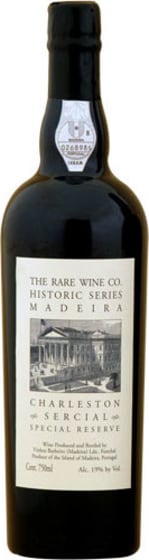
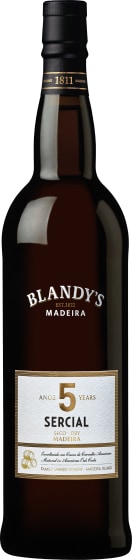
Sercial is the driest Madeira and the one with the sharpest edge. Its flavors lean toward citrus peel, green almond, and a saline tang, all carried by piercing acidity that makes your mouth water. This bracing profile makes it a natural aperitif, and it works beautifully with savory bites like olives, salted nuts, or a bowl of clear broth. Serve it slightly chilled to sharpen its focus even further. Of the traditional grapes, Sercial holds the highest acidity, which is why it can age for an extraordinarily long time.
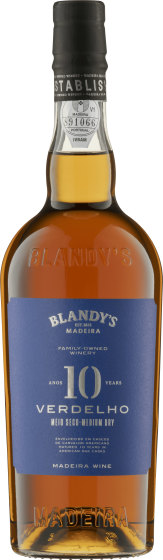
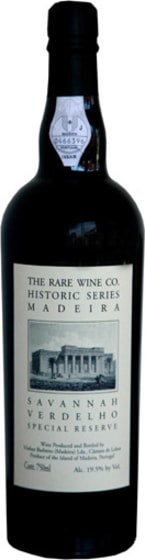
Verdelho sits one step up in sweetness and adds a smoky, savory dimension to the mix. Look for honeyed richness balanced against smoke and a firm streak of acidity that keeps the wine from feeling heavy. This balance makes Verdelho one of the most versatile food wines in the fortified world, comfortable next to smoked fish, roast poultry, or a plate of hard cheese. It bridges the gap between the dry aperitif styles and the sweeter dessert options. Pour it when you want a fortified wine that can handle a full savory course.
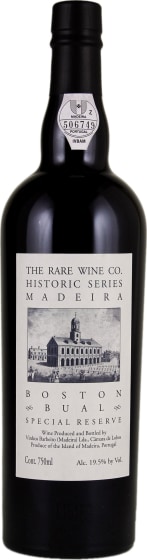
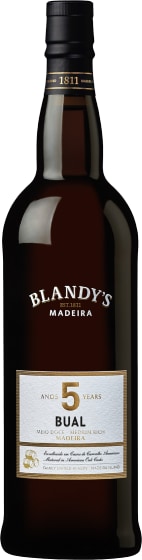
Bual moves into richer territory while holding onto Madeira's trademark acidity. Its flavors gather around raisin, caramel, and dark coffee, with enough freshness underneath to stop the sweetness from turning cloying. That combination makes Bual a fine partner for dessert, especially anything with dried fruit or toffee, and it also pairs surprisingly well with aged cheese. The acidity is what lets it stand up to sweet food without collapsing. Serve it after dinner when you want something indulgent that still tastes lively.
Malmsey is the richest and sweetest Madeira, and its name is simply the English term for the Malvasia grape. Expect a full, unctuous wine layered with treacle, dark chocolate, and dried fig, all still anchored by the high acidity that defines the island. That acidity is the trick: it keeps a very sweet wine from feeling flabby or tiring on the palate. Malmsey is the classic choice to sip on its own after a meal, or to pour with dense chocolate desserts. It offers the fullest expression of what Madeira can be.
Both wines earn their keep at the table, but they favor different foods depending on style. Match the wine's sweetness and intensity to the dish, and the pairing tends to fall into place. Here is where each style does its best work.
Vintage Port: pour it with blue cheese like Stilton or with dark, bittersweet chocolate, where its concentrated fruit and grip hold their own
Tawny Port: serve it beside roasted nuts, almond cake, or crème brûlée, since its own nutty, caramel notes echo those flavors
Ruby Port: keep it simple with a slice of chocolate cake or a bowl of ripe berries that mirror its fresh fruit
Sercial and Verdelho Madeira: use the drier styles as an aperitif or with savory bites like olives, salted almonds, smoked fish, or a wedge of hard cheese
Bual and Malmsey Madeira: save the sweeter styles for dessert, pairing them with toffee, dried fruit, or chocolate that meets their richness head-on
Port and Madeira Questions, Answered
Is Madeira the Same as Port?
No, they are two separate wines that only share a Portuguese homeland. Port comes from the Douro Valley on the mainland and ages in cool cellars, which keeps its ripe berry fruit at the center. Madeira comes from a volcanic Atlantic island and is deliberately heated as it ages, so its flavors turn nutty, caramelized, and savory. Port tends toward sweet, fruit-forward richness, while Madeira balances its sweetness against a sharp, distinctive acidity. Once you taste them side by side, the difference is obvious.
Can You Substitute Port for Madeira in Cooking?
You can, but the dish will taste noticeably different. Port brings sweetness and dark berry flavor, which suits rich meat sauces, reductions, and chocolate desserts. Madeira brings a nutty, savory, slightly caramelized character with brighter acidity, which is why classic recipes call for it in pan sauces and soups. If you swap one for the other, expect the sweeter, fruitier profile of Port to push a sauce in a different direction. In a pinch the substitution works, though the original wine will always give the truer result.
How Long Does Port Last After Opening Compared to Madeira?
Port keeps for days to a few weeks after opening, depending on the style, with young Ruby and Tawny holding up longer than a delicate Vintage. Madeira is on another level entirely, staying fresh for months and often years once the cork is pulled. The reason comes down to how each wine is made. Madeira has already been heated and oxidized during production, so air simply cannot damage it the way it damages other wines. That built-in resistance makes an open bottle of Madeira one of the most forgiving wines in your kitchen.
Which Is Better for Aging and Collecting: Port or Madeira?
Both reward the cellar, but they collect in different ways. Vintage Port is the classic age-worthy bottle, with defined drinking windows that reward patience: Vintage Port can age 50+ years in bottle, while Ruby and Tawny styles are designed to drink younger. Madeira, thanks to its heat-treated construction, is nearly immortal, and some bottles remain vibrant well past 100 years. If you want a wine with a clear arc from youth to peak, choose Vintage Port. If you want a bottle that will outlast almost anything else in the room, choose Madeira.
Where to Start with Port and Madeira
The quickest way to feel confident is to match a style to an occasion. Reach for a lightly chilled Tawny as a summer aperitif, open a Ruby with weeknight chocolate cake, and save a Vintage Port for a special dinner with blue cheese. For Madeira, let a dry Sercial start the meal and a sweet Malmsey finish it, and remember that an open bottle will wait patiently for your next glass.
From there, the best move is to taste across the spectrum. Try a dry Madeira against a sweet one, or a young Ruby beside an aged Tawny, and pay attention to how fortification timing and heat reshape each wine. Wine.com carries a broad range of both, from accessible everyday bottles to collectible-tier releases, so you can explore at whatever pace suits you.