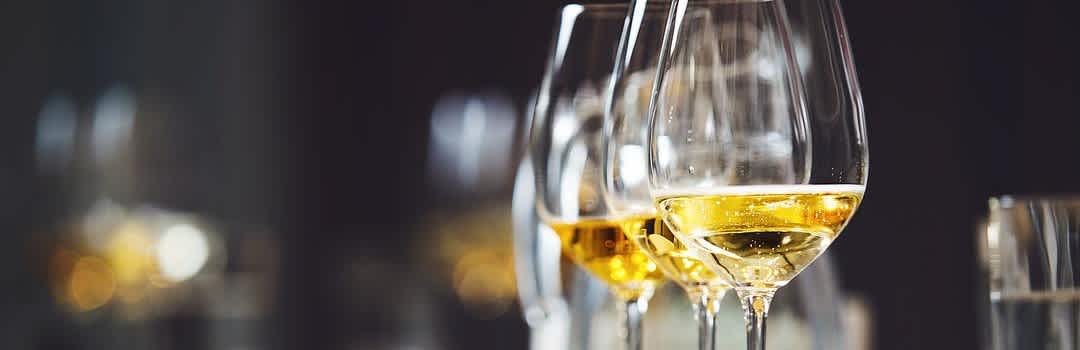
Orange wine is white wine made like red wine. The grapes are the same, but instead of pressing the juice away from the skins before fermentation, orange winemakers leave white grape juice in contact with its skins for days, weeks, or even months. That single decision changes the wine's color, texture, and flavor so thoroughly that the result earns its own category.
Understanding Orange Wine
The color of every wine starts with the same raw material: nearly colorless grape juice. Red wine gets its pigment because the juice ferments alongside dark-skinned grapes, extracting anthocyanins and tannins over days or weeks. White wine follows the opposite path, with skins removed before fermentation even begins. Orange wine sits between these two poles, applying red wine's extraction logic to white wine's grapes.
How Skin Contact Changes Everything
When white grape juice stays on its skins during fermentation, the process is called maceration. Duration varies enormously. Some producers limit contact to a few days, producing a lightly tinted wine with modest textural weight. Others extend maceration for several months, sometimes fermenting and aging in buried clay vessels called qvevri. The longer the contact, the more phenolic compounds migrate from skins, seeds, and sometimes stems into the wine.
Those phenolics include flavonoids, which shift the wine's color from pale gold toward amber, copper, or deep orange. Tannins also increase, giving the wine a grip and structure that conventional white wine rarely possesses. Skin contact simultaneously concentrates aromatic compounds, pushing the wine toward dried fruit, herbal, and oxidative notes rather than the bright citrus and green apple markers typical of stainless-steel whites. A Ribolla Gialla macerated for five days will taste strikingly different from one macerated for five months, even though the grape and vineyard are identical.
White Wine's Clean Separation
Conventional white wine production treats skin contact as something to minimize. Grapes arrive at the winery and are pressed quickly, sometimes as whole clusters, to separate juice from skins before fermentation starts. Some winemakers allow a few hours of pre-fermentation skin contact to extract aromatic compounds, but this is measured in hours rather than days.
The goal is preserving freshness, acidity, and delicate fruit character. Fermentation happens in stainless steel tanks or neutral oak at cool temperatures, and the resulting wine is bright, clean, and light-bodied. This approach dominates global white wine production for good reason: it reliably delivers the crisp, refreshing profile that most white wine drinkers expect.
How Orange Wine Tastes (And Why It Varies)
The first sip of orange wine surprises most white wine drinkers. Where a Sauvignon Blanc or Pinot Grigio delivers crisp acidity and fresh citrus, an orange wine typically offers a broader, more textured experience. The tannins are real, creating a gentle drying sensation on the palate that recalls light red wines more than conventional whites.
Flavor profiles shift toward dried apricot, honey, bruised apple, and citrus peel. Some orange wines carry herbal and savory notes: chamomile, dried herbs, hazelnuts. Others lean into oxidative character, with flavors reminiscent of beeswax and quince. The specific grape variety, maceration length, and vessel type all shape the final result, so the category contains enormous internal diversity.
Tannin: Orange wines have noticeable tannin from skin contact; white wines have almost none
Color: Orange wines range from deep gold to amber and copper; white wines are typically pale straw to light gold
Aromatics: Orange wines tend toward dried fruit, citrus peel, and herbal notes; white wines favor fresh fruit, floral, and mineral character
Body: Orange wines are medium to full-bodied with textural weight; most white wines are light to medium-bodied
Acidity: Both styles carry acidity, but orange wine's tannin structure balances it differently, creating a broader mouthfeel
Orange Wine Grapes Worth Knowing
Certain white grape varieties respond to skin contact better than others. Thicker-skinned grapes with naturally high phenolic content tend to produce the most compelling orange wines, but the style spans a range of varieties from aromatic to neutral.
1. Ribolla Gialla
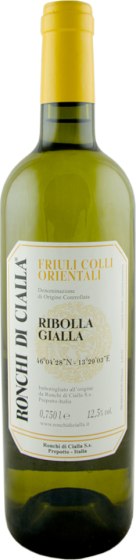
Ribolla Gialla is the grape most closely associated with the modern orange wine revival. Native to Friuli-Venezia Giulia in northeastern Italy and grown across the border in Slovenia as Rebula, this variety has thin skins and high acidity that make it a natural candidate for extended maceration. Friulian producers in the Collio and Oslavia sub-regions pioneered the contemporary skin-contact movement in the 1990s, fermenting Ribolla Gialla in large Slavonian oak or clay amphorae for months at a time.
The resulting wines are dry, tannic, and complex, with notes of dried apricot, bitter orange peel, and honey. Ribolla Gialla's naturally high acidity keeps extended-maceration versions balanced despite their phenolic weight. The grape's light color also means that maceration length visibly registers in the glass, from pale copper after a week to deep amber after several months.
-
Colli Orientali del Friuli, Friuli-Venezia Giulia, Italy ● Ribolla Gialla
-
Slovenia ● Ribolla Gialla
-
92 James
Suckling -
92 Vinous
2. Pinot Grigio / Pinot Gris
Pinot Grigio, also known as Pinot Gris, is a mutation of Pinot Noir with grayish-pink skins. In conventional production, those skins are removed immediately to produce the pale, crisp white wine most drinkers recognize. When left in contact with the juice, however, Pinot Grigio's pigmented skins create a copper-hued wine with considerably more body and aromatic complexity than its standard counterpart.
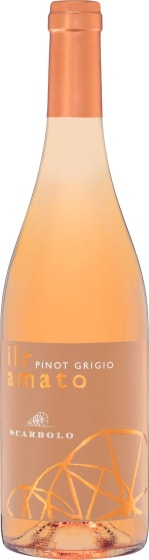
This style has a name: Ramato, from the Italian word for copper. Ramato Pinot Grigio predates the modern orange wine movement by decades, with roots in Friuli's traditional winemaking. The style fell out of fashion as international markets demanded pale, neutral whites, but it has returned alongside broader interest in skin-contact wines. Ramato bottlings typically show dried rose petal, spiced pear, and a savory, nutty finish that bridges the gap between white and orange wine.
-
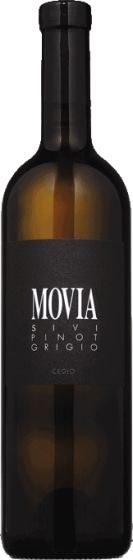
Slovenia ● Pinot Gris/Grigio
-
Friuli-Venezia Giulia, Italy ● Pinot Gris/Grigio
3. Gewürztraminer
Gewürztraminer is one of the most naturally aromatic white grape varieties, known for intense lychee, rose petal, and baking spice character even without skin contact. The grape also has distinctly pink-tinted skins, which means skin-contact versions develop a deeper color than many other orange wines.
Extended maceration amplifies Gewürztraminer's aromatic intensity while adding tannic structure that balances its naturally low acidity. The result is a full-bodied orange wine with pronounced floral and spice notes, textural grip, and a long, savory finish. Producers in Alsace and California have explored this style, and the grape's bold personality makes it an accessible entry point for drinkers new to orange wine.
-
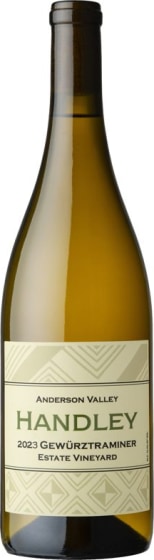
Anderson Valley, Mendocino, California ● Gewurztraminer
-
Sonoma Valley, Sonoma County, California ● Gewurztraminer
4. Rkatsiteli and Other Georgian Varieties
Georgia's winemaking tradition stretches back roughly 8,000 years, and skin-contact fermentation in buried clay qvevri is central to that heritage. Rkatsiteli is the country's most widely planted white grape, producing amber wines with firm tannin, walnut, and dried apricot character when fermented on skins for several months in qvevri.
Other Georgian varieties used for amber wine include Mtsvane, Kisi, and Chinuri. Each brings a different aromatic profile, but the qvevri method provides a shared structural signature: firm tannin with oxidative depth and the ability to age for decades. Georgia's amber wines remain the historical template against which all modern orange wine is measured.
5. Savagnin
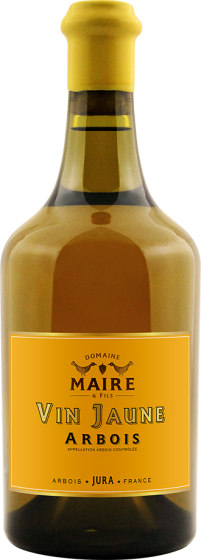
Savagnin is the ancient grape of France's Jura region, genetically linked to a wide family of modern varieties including Grüner Veltliner. In the Jura, Savagnin produces two distinct styles depending on aging method. The oxidative version, aged under a film of yeast called voile, becomes Vin Jaune. The non-oxidative version, labeled ouillé (meaning the barrel was topped off to prevent oxidation), preserves freshness while retaining the grape's natural richness.
Skin-contact Savagnin falls closer to the ouillé tradition, with extended maceration adding tannic weight and amber color without the deliberate oxidation of Vin Jaune. The grape's thick skins and high extract make it well-suited to maceration, producing orange wines with notes of dried pear, wax, curry leaf, and a distinctive minerality tied to the Jura's limestone soils.
-
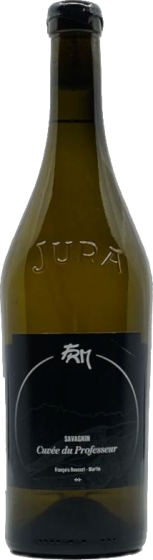
Jura, France ● Savagnin
-
Jura, France ● Savagnin
Orange Wine Around the World
Orange wine production has spread well beyond its Georgian and Italian origins. Three regions stand out for distinct approaches to the style.
1. Italy and Slovenia
The border between Friuli-Venezia Giulia and Slovenia's Goriška Brda (also called Collio Goriziano on the Italian side) is ground zero for the modern orange wine revival. Producers on both sides of the border share grape varieties, winemaking philosophies, and often family ties. Rebula (Ribolla Gialla) is the queen grape here, fermented and aged on skins in everything from large oak casks to buried qvevri.
Slovenian producers in the Vipava Valley have also gained recognition for field-blend orange wines combining local varieties like Pinela and Zelen with Rebula. These wines often show notes of orange zest, honeycomb, and dried tea.
-
Slovenia ● Ribolla Gialla
-
92 James
Suckling -
92 Vinous
-
Slovenia ● Pinot Gris/Grigio
2. France
The Jura remains France's most established region for skin-contact whites, where Savagnin and Chardonnay both see extended maceration in some cuvées. Alsace has also seen growing interest in the style, with producers applying skin contact to Gewürztraminer, Pinot Gris, and Riesling. In southern France, the Languedoc-Roussillon's natural wine producers have embraced orange winemaking as part of a broader move toward minimal-intervention techniques.
French orange wines tend to reflect site-specific terroir more than a single house style, with limestone-driven Jura bottlings tasting markedly different from the warmer, more generous expressions of the south.
-
Jura, France ● Savagnin
-
Jura, France ● Savagnin
-
97 Robert
Parker -
95 Decanter
-
94 Vinous
3. California and the United States
American producers have adopted orange wine as part of the broader natural and experimental wine movement. California leads domestic production, with winemakers in Sonoma, Mendocino, and the Central Coast applying skin contact to varieties including Gewürztraminer, Muscat, Pinot Gris, and Malvasia. Oregon and New York's Finger Lakes have also produced notable skin-contact whites.
The American approach tends to be eclectic, with producers experimenting across grape varieties and maceration lengths. The style has gained traction in restaurants and wine bars that emphasize natural and small-production wines.
-
Anderson Valley, Mendocino, California ● Gewurztraminer
-
Sonoma Valley, Sonoma County, California ● Gewurztraminer
What to Eat with Orange Wine
Orange wine's tannin structure and textural weight give it food-pairing versatility that white wine rarely matches. Serve orange wine slightly chilled, between 55°F and 65°F, to let its aromatics open without muting its tannin structure.
Mediterranean cuisine: Roasted vegetables, grilled eggplant, caponata, and olive-oil-based dishes all echo orange wine's savory, herbal character
Aged and washed-rind cheeses: Orange wine's tannin and acidity cut through rich, pungent cheeses the way a light red would, making it a stronger cheese-course partner than most white wines
Middle Eastern and North African dishes: Tagines, grain salads with dried fruit, and spice-forward preparations like harissa-rubbed lamb pair well with orange wine's dried-fruit and herbal notes
Asian cuisines: The combination of tannin, acidity, and aromatic complexity makes orange wine a natural match for Korean, Japanese, and Indian dishes that would overwhelm a delicate white
Charcuterie and cured meats: Orange wine bridges the gap between white and red wine at the charcuterie board, handling salami, coppa, and pâté with ease
Nut-based and umami-rich dishes: Dishes featuring walnuts, miso, aged soy, or mushrooms find a complementary partner in orange wine's oxidative and nutty qualities
Orange Wine Questions, Answered
Is Orange Wine Made from Oranges?
No. Orange wine has nothing to do with citrus fruit. The name refers to the amber-to-orange color that develops when white grape juice ferments in contact with its skins. The International Organisation of Vine and Wine (OIV) adopted the technical term "white wine with maceration" in 2020, though most producers and drinkers still use "orange wine" or, in Georgia, "amber wine." The color comes from flavonoids extracted during skin contact, the same class of compounds responsible for color in red wine.
Is Orange Wine Dry or Sweet?
The vast majority of orange wines are dry. Extended skin contact extracts tannins and phenolics rather than preserving residual sugar, and most orange wine producers ferment to dryness. You may perceive a slight impression of sweetness from the wine's ripe fruit aromatics and fuller body, but that is textural richness rather than actual sugar. A few dessert-style exceptions exist, particularly from producers working with late-harvest or dried-grape techniques, but they are rare.
Is Orange Wine the Same as Natural Wine?
Not exactly. Orange wine is defined by its production method: white grapes fermented with skin contact. Natural wine is defined by a farming and winemaking philosophy: organic or biodynamic viticulture, minimal additives, little or no added sulfites, and no fining or filtration. Many orange wines are made using natural wine principles, and many natural wine producers make orange wine. The overlap is significant, but neither category requires the other. A conventionally farmed Pinot Grigio with extended skin contact is still an orange wine, and a natural Chardonnay fermented without skin contact is not.
Is Orange Wine Better for You Than White Wine?
Orange wine's extended skin contact does extract more polyphenols and antioxidants than conventional white wine production. In that respect, orange wine's phenolic profile is closer to red wine than to white wine. However, both styles are still wine, with similar alcohol content (typically 11–15% ABV) and calorie profiles. Any health advantage from additional antioxidants is modest and does not change the basic calculus of moderate consumption.
How Should I Store and Serve Orange Wine?
Store orange wine the same way you store any wine: on its side in a cool, dark place away from temperature swings. Most orange wines are meant to be consumed within two to five years of release, though premium bottlings with substantial tannin can age longer. Serve slightly chilled, between 55°F and 65°F, to let the aromatics express themselves without suppressing structure. Use a standard white wine glass or a wider-bowled glass that gives the aromatics room to develop.
Your Next Bottle
Whether you want a tannic, amber-hued orange wine to stand up to a cheese board or a lightly macerated skin-contact white for a weeknight dinner, the grape variety and maceration length guide your choice. Ribolla Gialla and Savagnin deliver the fullest expression of the style. Pinot Grigio in its Ramato form offers a gentler bridge from conventional whites. Gewürztraminer rewards drinkers who want bold aromatics with textural depth.
The spectrum of orange wine is wide enough to explore across seasons and occasions. Start with a shorter-maceration bottling to calibrate your palate, then move toward longer-contact wines as the flavors become familiar. Compare the same grape made as a conventional white and as an orange wine side by side, and the production difference will register immediately in the glass.
Wine.com's orange wine collection includes bottles from Friuli, Slovenia, the Jura, and California across a range of price points and maceration styles. Browse Orange Wine at Wine.com to find your starting point.