Oaked vs. Unoaked Chardonnay, Explained: Taste, Pairings, and What to Try
"I don't like Chardonnay" is one of the most common things people say about wine, and it's almost never true. What they usually mean is they tried one style of Chardonnay and assumed the entire grape tasted that way. The split between oaked and unoaked Chardonnay is so dramatic that the two styles can feel like completely different wines, and understanding that difference is the fastest way to find a Chardonnay you'll love.
What Makes Oaked and Unoaked Chardonnay Different
When winemakers say a Chardonnay is "oaked," they mean the wine spent time aging in wooden barrels, usually made of oak. "Unoaked" means the wine was fermented and aged in a neutral container, most often stainless steel, that doesn't add any flavor of its own. That single decision, barrel or tank, is the biggest reason two Chardonnays can taste so different from each other.
Oak barrels do two things to wine. First, the wood itself contains natural compounds, including vanillin (the same molecule that gives vanilla extract its smell), tannins, and lactones. These compounds dissolve into the wine over months of contact and add layers of flavor that the grape alone wouldn't produce. Second, oak is slightly porous, so tiny amounts of oxygen seep through the wood and interact with the wine. This slow exposure, called micro-oxygenation, softens sharp edges and gives the wine a rounder, creamier texture.
Many oaked Chardonnays also go through a process called malolactic fermentation. In plain terms, this is a natural conversion where tart malic acid (the kind you taste in a green apple) transforms into softer lactic acid (the kind found in milk). The result is a wine that feels smoother and creamier on your palate.
How Oak Changes the Wine
Oak barrels act like a seasoning rack for wine. During a typical aging period of 6–12 months in barrel, the wine picks up vanilla, baking spice, butterscotch, and toast flavors from the wood. New barrels contribute the most flavor. After a barrel has been used three or four times, it becomes "neutral," meaning it still provides the gentle oxygen exposure but adds very little taste of its own. A new French oak barrel costs $1,200 or more, which helps explain why heavily oaked Chardonnays from top producers often carry higher price tags. A standard 225-liter barrel holds roughly 300 bottles of wine, so the barrel cost alone can add several dollars to each bottle.
Why Some Winemakers Skip the Barrel
Stainless steel tanks and concrete vessels are intentionally neutral. They don't add flavor, don't allow oxygen in, and don't soften acidity. That's exactly the point. Winemakers who choose these containers want you to taste the grape itself and the place where it was grown, with nothing layered on top. If you've ever had a Chardonnay that tasted like biting into a crisp green apple or squeezing a fresh lemon, that's likely an unoaked style. Skipping the barrel is a deliberate winemaking choice, not a shortcut, and the best unoaked Chardonnays showcase a purity of fruit and a mineral edge that oak would mask.
How Oaked and Unoaked Chardonnay Taste
Think of oak like a cast-iron skillet: it adds its own character to whatever you cook in it. A stainless steel pan, by contrast, lets the ingredients speak for themselves. The same grape, handled two different ways, produces wines that look, smell, and taste distinctly different.
1. Oaked Chardonnay
Oaked Chardonnay tends to be rich, full-bodied, and layered. Here's what to expect:
Color: Deeper golden-yellow, sometimes with amber tints
Aroma: Vanilla, butter, toasted bread, butterscotch, and baking spice
Flavor: Ripe stone fruit, caramel, and warm baking spices layered over the fruit
Texture: Full body, creamy and round mouthfeel, with softer acidity
ABV range: Typically 13–14.5%
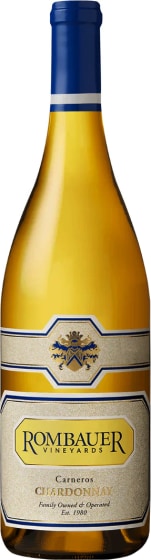
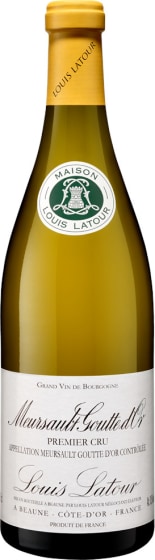
A richly oaked California Chardonnay often leads with butter and ripe tropical fruit, giving it the crowd-pleasing warmth that made the style famous. Oaked white Burgundy takes a different approach, using oak more subtly to add a toasty, spice-driven complexity without burying the fruit underneath.
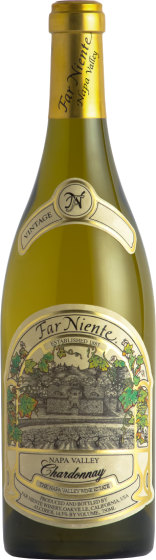
Meursault, Cote de Beaune, Cote d'Or, Burgundy, France ● Chardonnay
95 James Suckling
92 Wine Spectator
Sold Out - was $240.00
2. Unoaked Chardonnay
Unoaked Chardonnay is leaner, brighter, and driven by fruit and mineral character. Here's what to look for:
Color: Pale straw to light yellow, sometimes with a greenish tint
Aroma: Green apple, lemon zest, pear, and wet stone
Flavor: Citrus, white peach, chalk, and a clean mineral finish
Texture: Lighter body, crisp and zesty, with higher acidity
ABV range: Typically 12–13.5%
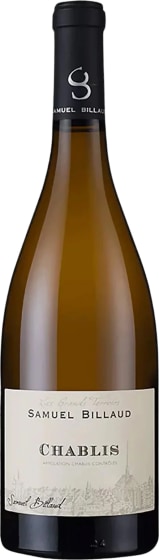
A mineral-driven Chablis delivers flinty, stony notes alongside tart citrus, the kind of wine that makes you think of cool limestone and ocean air. A fruit-forward stainless-steel California Chardonnay leans into ripe pear and peach while keeping that refreshing crispness intact.
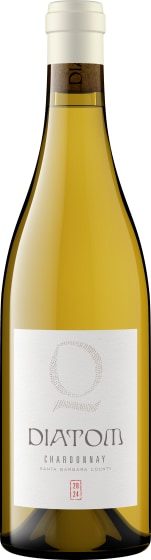
Santa Barbara, Central Coast, California ● Chardonnay
94 Jeb Dunnuck
93 James Suckling
93 Wine Spectator
92 Wine Enthusiast
90 Robert Parker
$27
$24.97
Chardonnay Styles by Region
Where grapes grow shapes the wine's starting point: the climate determines how ripe the fruit gets, and the soil influences the mineral character. The winemaker's choice of oak (or stainless steel) layers on top of that foundation. Three regions produce most of the world's Chardonnay, and each has a signature approach.
1. California (Napa Valley, Sonoma County)
California built its reputation on richly oaked, buttery Chardonnays, and the warm climate here naturally produces ripe, full-bodied fruit that pairs well with new oak barrels. Napa Valley and Sonoma County remain the epicenter of this style, though a growing number of California producers are bottling crisp, unoaked versions that emphasize the fruit's natural brightness. Whether you're looking for a crowd-pleasing pick for a dinner party or something lighter for a weeknight meal, California covers both ends of the spectrum.
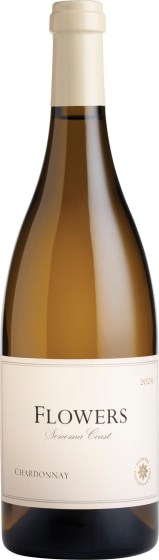
Sonoma Coast, Sonoma County, California ● Chardonnay
95 Wine Enthusiast
93 Wine Spectator
$55
$51.99
2. Burgundy and Chablis, France
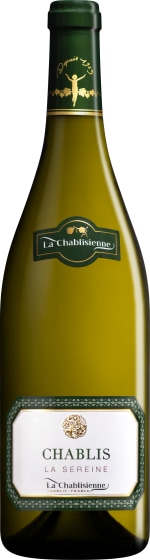
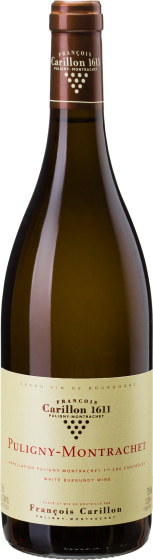
If you see "Chablis" on a wine label, you're looking at 100% Chardonnay from a specific region in northern France. Chablis is the gold standard for unoaked, mineral-driven Chardonnay: the cool climate and chalky limestone soils produce wines with a flinty, almost stony quality and bracing acidity. Further south in Burgundy, villages like Meursault and Puligny-Montrachet use oak with a lighter touch than California, adding subtle toast and spice without overwhelming the wine's elegance. For newcomers to French wine, the key thing to remember is that white Burgundy and Chablis are both Chardonnay. They just use their region's name on the label instead of the grape's name. You can explore these styles in our Chardonnay collection.
Puligny-Montrachet, Cote de Beaune, Cote d'Or, Burgundy, France ● Chardonnay
93 Jasper Morris
92 Wine Spectator
Sold Out - was $161.00
3. Oregon and Other Cool-Climate Regions
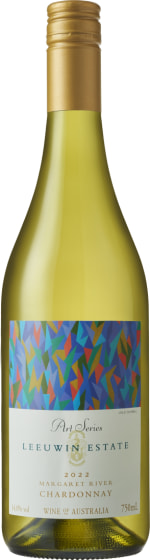
Oregon's Willamette Valley has emerged as one of the most exciting sources of balanced Chardonnay. The cool, rainy climate produces wines with precise acidity and citrusy, nutty flavors that sit stylistically between Burgundy's elegance and California's richness. Most Willamette Valley Chardonnays see moderate oak, enough to add texture without dominating the fruit. On the other side of the world, Australia's cooler regions offer a similar range: Margaret River produces oaked, structured Chardonnays, while Adelaide Hills delivers bright, unoaked styles with tropical and citrus notes.
Margaret River, Western Australia, Australia ● Chardonnay
97 Decanter
97 Australian Wine Companion
97 James Suckling
97 Robert Parker
95 Wine Spectator
93 Vinous
Sold Out - was $145.00
What to Eat with Oaked and Unoaked Chardonnay
The simplest rule for food pairing is to match the weight of the wine to the weight of the dish. A rich, creamy oaked Chardonnay can stand up to heavier foods, while a crisp unoaked Chardonnay works best with lighter fare. Here's a practical guide for both styles.
Oaked Chardonnay Pairings
Rich proteins: Roasted chicken with pan drippings, lobster with drawn butter, pork tenderloin with a cream sauce
Best occasions: If you're hosting Thanksgiving dinner, planning a holiday meal, or looking for a wine that fills the room on a cold evening, oaked Chardonnay is a reliable choice
Unoaked Chardonnay Pairings
Light seafood: Grilled shrimp, raw oysters, sushi, ceviche
Fresh vegetables: Spring salads with vinaigrette, grilled asparagus, roasted zucchini
Bright dishes: Lemon-herb chicken, goat cheese crostini, fish tacos
Best occasions: If you're grilling on the patio tonight, pouring wine for a summer appetizer course, or looking for something easy on a weeknight, unoaked Chardonnay is your go-to
Chardonnay Questions, Answered
How Can You Tell if a Chardonnay Is Oaked or Unoaked?
Check the label and the product description. Terms like "barrel fermented," "barrel aged," or "sur lie" (a French term meaning the wine aged on its spent yeast cells) signal an oaked style. If you see "stainless steel," "INOX," or "unoaked," the wine skipped the barrel. Regional shortcuts help too: Chablis is almost always unoaked, while Napa Valley Chardonnay is typically oaked. When in doubt, the product descriptions on Wine.com note the oak treatment for each bottle.
Is Unoaked Chardonnay Sweet?
Almost never. Most unoaked Chardonnays are dry, meaning they contain very little residual sugar. The confusion comes from the fact that fruit flavors like peach, pear, and apple can taste sweet to your brain even when the wine itself is technically dry. Residual sugar (the actual sugar left in the wine after fermentation) is a separate thing from fruit flavor perception. If you're looking for a dry, refreshing white wine, unoaked Chardonnay is one of the safest bets.
Why Do Some People Say They Don't Like Chardonnay?
This attitude traces back to the 1990s, when a wave of heavily oaked, very buttery California Chardonnays dominated the market. Some wine drinkers reacted by adopting the "ABC" motto, short for "Anything But Chardonnay." The irony is that many of those same people enjoy Chablis or other unoaked whites without realizing they're drinking Chardonnay. If you've been in the ABC camp, the fix is straightforward: try the other style.
Is Chablis the Same as Unoaked Chardonnay?
Chablis is made from 100% Chardonnay grapes grown in the Chablis region of northern France, and it is typically unoaked or aged in neutral barrels that don't add wood flavor. So yes, Chablis is Chardonnay, and it's usually unoaked. But not all unoaked Chardonnay is Chablis. Unoaked Chardonnays are produced in California, Oregon, Australia, and many other regions around the world. Chablis remains the benchmark for the style because its cool climate and limestone-rich soils create a distinctive mineral character that's difficult to replicate elsewhere.
Does Oak Affect the Alcohol Content?
Oak aging itself does not significantly change a wine's alcohol level. The differences in ABV between oaked and unoaked Chardonnays (oaked styles tend to run 13–14.5%, unoaked 12–13.5%) come from where and how the grapes were grown, not from the barrel. Warmer climates produce riper grapes with more sugar, which converts to higher alcohol during fermentation, and those warmer-climate wines are also more likely to be oaked.
Finding Your Chardonnay
Neither oaked nor unoaked Chardonnay is objectively better. One gives you richness, warmth, and layered complexity. The other gives you brightness, freshness, and pure fruit character. Personal preference is what matters, and the only way to discover yours is to taste both.
The best experiment is simple: pick up one bottle of each style and try them side by side. You'll immediately understand the difference in a way that no article can fully capture. Wine.com's selection of 16,000+ wines includes hundreds of Chardonnays across every style, region, and price point, so finding a well-matched pair is easy.