Natural Rosé Wine, Explained: Production, Styles, and What to Try
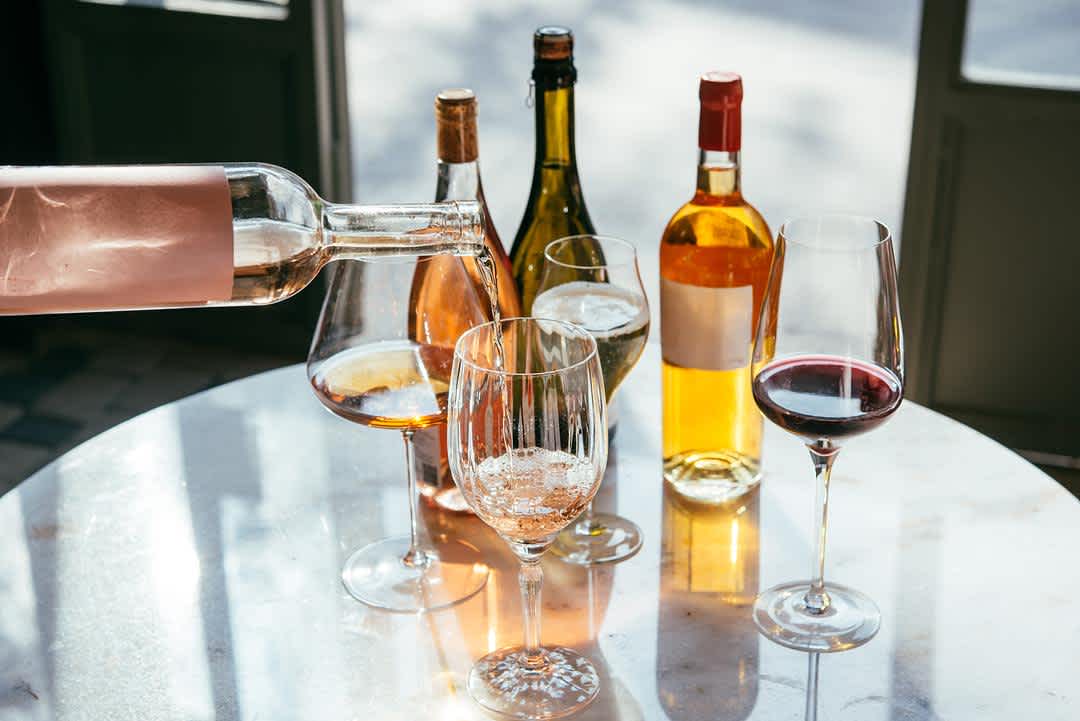
Natural wine and rosé are often treated as parallel conversations, one about philosophy and the other about color. Natural rosé collapses that divide. Produced with minimal intervention from organically or biodynamically farmed grapes, natural rosé spans a wider sensory range than its conventional counterpart: pale, Provençal-inspired cuvées at one end, cloudy pét-nats that taste more like cider's wine-country cousin at the other.
What Makes a Rosé "Natural"
Natural wine starts in the vineyard. Grapes are farmed organically or biodynamically, without synthetic pesticides or herbicides. In the cellar, the winemaker adds little or nothing to the juice: no commercial yeast, no acidity adjustments, no color-correcting enzymes, and minimal (or zero) sulfites at bottling. The finished wine is typically left unfined and unfiltered, which is why natural wines often appear hazy rather than crystal-clear.
Rosé adds an extra variable to this equation. Because rosé juice spends only a brief window in contact with red grape skins, the resulting liquid is lower in tannin and phenolic compounds than a full red wine must. Native yeast fermentations take longer and are less predictable than commercial yeast, but they preserve site character. That unpredictability interacts with rosé's delicate juice differently than it does with a tannic red: there is less structural buffer, so the yeast's influence on aroma and texture becomes more pronounced. A natural rosé fermented with wild yeast can develop secondary aromatics (bread crust, citrus pith, saline minerality) that commercial yeast would suppress.
The result is a wine where the winemaker's restraint is the point. Every step a conventional rosé producer takes to standardize flavor is a step a natural rosé producer skips or minimizes.
How Natural Rosé Differs from Conventional Rosé
Conventional rosé production prioritizes consistency. Commercial yeast strains ensure a predictable fermentation, typically finishing within two weeks. Fining agents strip out proteins and suspended particles. Filtration produces the clear, bright pink liquid consumers expect. The flavor profile is reliable: fresh red fruit, clean acidity, neutral finish.
Natural rosé takes the opposite approach. Wild yeast populations, unique to each vineyard and cellar, drive fermentation on their own schedule. The wine is neither fined nor filtered, so color can range from pale salmon to cloudy amber-pink depending on grape variety and maceration length. Texture tends to be fuller, with a yeasty, almost tactile quality on the palate. One bottle might deliver tart cherry and crushed limestone, the next might lean toward peach skin, dried herb, and a faint savory note.
For the drinker, the practical difference is variation. Conventional rosé delivers the same experience bottle to bottle. Natural rosé delivers a range.
Natural, Organic, and Biodynamic: Where Rosé Fits
These three labels describe overlapping but distinct approaches. Organic certification, regulated by the USDA in the United States and similar bodies in Europe, covers vineyard farming: no synthetic pesticides, herbicides, or fertilizers. An organic rosé can still be made with commercial yeast, heavy filtration, and significant sulfite additions. The certification addresses the field, not the cellar.
Biodynamic farming goes further. Certified by Demeter International, biodynamic viticulture treats the vineyard as a self-sustaining ecosystem, following lunar cycles for planting and harvesting. Biodynamic rosé meets a stricter farming standard than organic, but the cellar practices can still vary.
Natural wine has no official certification. It is a philosophy, not a regulated term. In practice, natural rosé is almost always farmed organically or biodynamically, but the defining commitments happen in the cellar: native yeast, no additives, no fining, no filtration, and minimal sulfites. A rosé can be certified organic without being natural. A natural rosé is organic in practice but rarely carries the label, because many small producers find the paperwork and cost prohibitive.
How Natural Rosé Is Made
Three production methods define how rosé gets its color, and each one behaves differently under natural winemaking conditions. The method a producer chooses shapes not only the wine's appearance but also its texture, weight, and aromatic profile.
1. Direct Press
Whole clusters of red grapes go directly into the press with minimal skin contact. The juice runs off pale, often barely tinted, and ferments like a white wine. In natural winemaking, that clear juice meets wild yeast rather than a commercial strain, and the fermentation tends to run slower and cooler. The resulting wines are the lightest-bodied natural rosés: floral, citrus-driven, sometimes almost saline. Direct-press natural rosé wine is most common among Provence-inspired producers who want restraint and transparency in the glass.
2. Saignée (Bled Rosé)
Saignée begins as a red wine fermentation. After several hours of skin contact, a portion of the juice is "bled" off the tank, leaving the remaining red wine more concentrated. That bled juice, now pink and loaded with more flavor compounds than a direct-press rosé, ferments separately. In conventional production, saignée rosé is sometimes treated as a byproduct. Natural producers treat it as the point: the saignée juice ferments with native yeast at its own pace, producing a rosé with deeper color, richer berry fruit, and a rounder, more textured mouthfeel. The style is fuller than direct-press rosé and pairs more comfortably with food that has weight.
3. Maceration
Maceration is the most hands-on method. Red grapes sit in contact with their juice for a controlled period, anywhere from a few hours to several days. The winemaker decides when to press based on color and tannin extraction. In natural winemaking, extended maceration can push a rosé toward the border of orange wine: copper-hued, textured, and savory rather than fruity. This style is most common outside Provence, particularly among Italian and American natural producers who embrace the grape's full range of expression.
Inside the Glass: Natural Rosé
Natural rosé covers more sensory ground than conventional rosé because the variables are wider. Without commercial yeast standardizing fermentation or filtration smoothing the result, each bottle reflects its grape, its place, and its vintage more directly.
What to Expect (Color, Clarity, Aroma)
Color ranges from pale salmon to cloudy copper-pink, depending on grape variety, maceration time, and whether the wine was filtered. Cloudiness is normal in natural rosé. It means the wine was not stripped of proteins and suspended yeast particles through fining or filtration. The haze has no effect on quality or safety.
Aromas vary by production method. Direct-press natural rosés tend toward fresh strawberry, white peach, and citrus peel. Saignée styles lean into ripe raspberry, red plum, and dried herbs. Macerated rosés can show stone fruit, tea leaf, and a faint savory quality. Secondary fermentation aromas (bread crust, yeast, beeswax) are common across styles because native yeast leaves a more complex aromatic footprint than commercial strains.
The "funk" question comes up often with natural wine and deserves a direct answer. Brett (brettanomyces) and volatile acidity (VA) are the two culprits behind funky, barnyard-like flavors in natural wine. In natural rosé, both are rarer than in natural reds. The reason is time: rosé juice spends less time in contact with skins and less time fermenting, which limits the window for brett populations to establish or for acetic bacteria to produce noticeable VA. Most natural rosés taste clean, fruity, and fresh. The occasional funky bottle exists, but it is the exception.
Styles Along the Spectrum
Natural rosé is not a single style. Four broad categories cover the range.
Crisp and mineral: Direct-press rosé from cool climates or neutral varieties like Cinsault and Grenache. Pale color, taut acidity, white flower and citrus aromas. The closest to conventional Provençal rosé in profile, with added textural complexity from native yeast fermentation
Fruity and textured: Saignée-style rosé from fuller-bodied grapes like Mourvèdre or Syrah. Deeper pink to light cherry color, ripe berry fruit, soft tannin grip. Rounder on the palate than a direct-press rosé, with more weight and persistence
Skin-contact and tannic: Extended maceration rosé that flirts with orange wine territory. Copper to amber-pink hues, dried apricot, tea, savory spice. These wines have enough structure to age a year or two and pair with heartier fare
Sparkling (pét-nat): Pétillant naturel rosé, bottled mid-fermentation so the remaining sugar creates a gentle, natural effervescence. Flavors lean tart and yeasty: green apple, rhubarb, kombucha-like acidity. Best served well-chilled and consumed young
Natural Rosé by Region
Natural rosé traditions vary by geography. Some regions have produced minimal-intervention pink wine for generations. Others adopted the approach more recently as the natural wine movement expanded.
1. Provence, France
Provence dominates the global rosé market, but the vast majority of its production is conventional: commercial yeast, precise temperature control, heavy filtration. The region's natural rosé producers are a smaller, estate-focused group working with Grenache, Cinsault, and Mourvèdre. Their wines tend toward the pale, mineral, and restrained end of the natural rosé spectrum, reflecting the same garrigue-scented, sea-breeze terroir that defines Provence rosé generally. The difference is texture: a natural Provence rosé feels slightly weightier on the palate, with a yeasty depth that filtered versions lack.
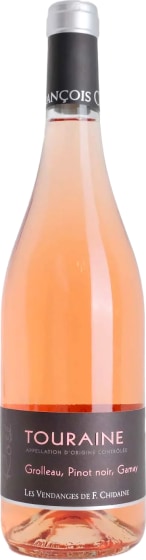
The Loire Valley is the spiritual home of French natural wine, and its rosé output reflects that heritage. Cabernet Franc is the primary rosé grape here, producing wines with bright acidity, tart red fruit (sour cherry, red currant), and a distinctive herbal edge. The Loire's cool climate and limestone-rich soils give natural rosé a tension and freshness that warmer regions struggle to match. Pét-nat rosé is a Loire specialty: lightly sparkling, bone-dry, and often the best introduction to natural wine for skeptics. Loire Valley
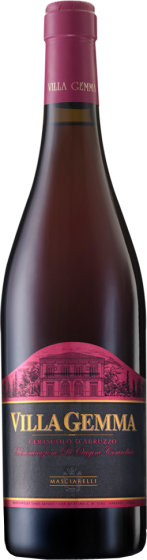
Italian rosato has a tradition that predates the "natural wine" label by centuries. Indigenous grapes make the difference here. Nerello Mascalese from Sicily's volcanic slopes produces rosato with stony minerality and delicate red berry notes. Cerasuolo d'Abruzzo, made from Montepulciano, delivers a deeper, cherry-driven style with real body. Bardolino Chiaretto, from Corvina grapes near Lake Garda, sits at the lighter end: fresh, almond-scented, and built for warm-weather drinking. Italy's natural wine movement is one of the most robust in Europe, and rosato is an area where tradition and minimal intervention already overlap.
American natural rosé tends toward bolder, fruitier styles. California producers work with Mourvèdre, Grenache, Pinot Noir, and Zinfandel, producing rosés with more ripeness and generosity than their European counterparts. Oregon's Willamette Valley contributes Pinot Noir rosé with cooler-climate acidity and red fruit precision. New York's Finger Lakes and Long Island regions are emerging sources. Pét-nat rosé is the fastest-growing subcategory in the American natural wine scene, with producers from Sonoma to the Hudson Valley bottling fizzy, tart, wildly varied rosé. natural and organic rosés
Natural rosé's higher acidity and broader textural range expand its pairing versatility beyond what most conventional rosé can handle. The key is matching the wine's weight and structure to the food's intensity.
Crisp direct-press rosé: Raw oysters, ceviche, green salads with vinaigrette, fresh goat cheese. The wine's saline minerality and bright acid mirror the food's lightness without competing
Textured saignée-style rosé: Grilled vegetables, charcuterie boards, bouillabaisse, tabbouleh. The fuller body and berry fruit complement smoky, savory, and herbaceous flavors
Pét-nat rosé: Brunch dishes, fried chicken, fish tacos, pizza. The gentle fizz and tart acidity cut through richness and grease the way Champagne does, at a fraction of the price
Skin-contact and tannic rosé: Grilled lamb chops, aged Manchego or Comté, roasted beets with tahini, mushroom risotto. These wines have enough grip and savory character to stand alongside dishes that would flatten a lighter rosé
Natural Rosé Questions, Answered
Is Natural Rosé Wine Healthier Than Regular Rosé?
Natural rosé typically contains fewer added sulfites than conventional rosé, and it avoids processing aids like fining agents and added enzymes. That said, sulfites are not the primary cause of wine headaches. Alcohol content is comparable between natural and conventional rosé, usually falling in the 11.5–13.5% ABV range. The meaningful difference is ingredient transparency, not a health transformation. If you react to wine, lower-sulfite natural rosé may be worth trying, but it is not a cure-all.
Why Is My Natural Rosé Cloudy?
Cloudiness in natural rosé comes from skipping fining and filtration. Conventional producers use fining agents like bentonite clay to bind and remove suspended proteins, yeast particles, and tartrate crystals. Filtration removes whatever remains. Natural producers skip both steps, leaving the wine with a hazy appearance that can range from a faint glow to full opacity. Sediment at the bottom of the bottle is normal and harmless. You can decant to separate it or pour gently and leave the last quarter-inch in the bottle.
How Long Does Natural Rosé Last After Opening?
Most natural rosé is best consumed within one to two days of opening. Lower sulfite levels mean the wine oxidizes faster than a conventional rosé once exposed to air. Some bottles actually improve on day two, developing rounder texture and more complex aromatics as they open up. Pét-nat rosé is the exception: drink it the day you pop the crown cap, because the effervescence fades quickly. Store opened bottles in the refrigerator with a stopper, and finish them before day three.
Can I Cellar Natural Rosé?
Most natural rosé is designed to drink young, within one to two years of its vintage. The lack of added sulfites limits its longevity compared to conventional rosé, which can hold for two to three years. A few exceptions exist: structured, skin-contact natural rosés from serious producers, particularly Italian Cerasuolo d'Abruzzo and certain Loire Cabernet Franc rosés, can develop interesting complexity over three to five years in a cool cellar. Because natural rosé reflects growing conditions without correction, vintage matters more here than it does for conventional rosé.
Your Next Bottle
Natural rosé rewards a strategic approach. If you already enjoy conventional Provençal rosé, a direct-press natural rosé from the Loire Valley is the shortest leap: same restraint, more texture. If you gravitate toward skin-contact whites or light reds, try a macerated rosato from Sicily or Abruzzo for a wine with savory depth and real structure. If you want something casual and fun, a pét-nat rosé from California or the Loire will deliver fizz, tartness, and personality at an accessible price point.
The category is broad enough that one bottle can misrepresent the whole range. A funky, cloudy pét-nat and a pale, mineral direct-press rosé share a philosophy but almost nothing in terms of flavor. Try bottles from at least two different styles or regions before deciding where you stand.
Wine.com carries natural and organic rosés from Provence, the Loire, Italy, and California. Browse Natural Rosé at Wine.com to find your starting point.