The Napa Valley Cabernet Guide: Sub-Appellations, Vintages, and Price
Napa Valley Cabernet Sauvignon is California's benchmark red, and the 2024 and 2025 bottles arriving now show why the region holds that title. The category is far from one thing: a valley-floor wine from Oakville drinks nothing like a mountain wine from Howell Mountain, and the price range runs from weeknight pours to cellar trophies.
Why Napa Valley Cabernet Stands Out
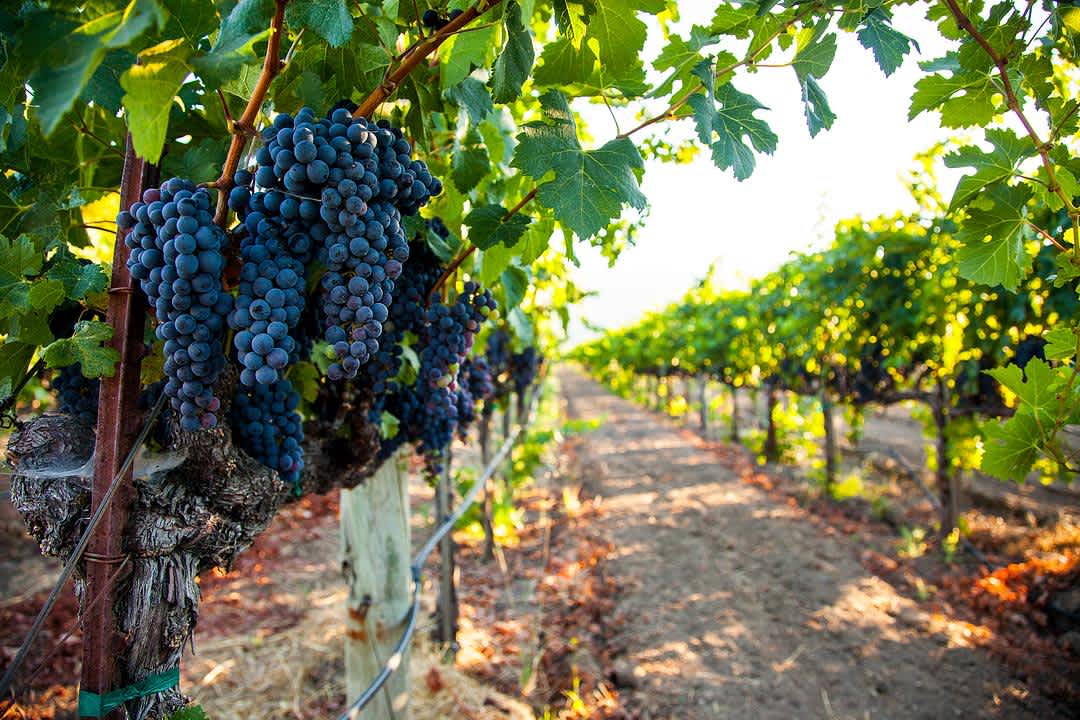
Napa sits warmer and drier than Bordeaux, and that gap explains much of what sets its Cabernet apart. Long, sunny days push the fruit to full ripeness. Cool nights coming off San Pablo Bay hold onto acidity, so the wines land riper and darker than their French counterparts without losing shape.
Two soil types do most of the work. Volcanic soils on the hillsides give structure and grip, and alluvial soils on the valley floor push texture and generosity. That split is also why valley-floor wines tend to drink young while benchland and mountain sites need years. Mountain Cabernet, grown at elevation, is one of Napa's most distinctive contributions to the category.
Most premium Napa Cabernets are not 100% Cabernet Sauvignon. They include 5–15% Merlot, Cabernet Franc, Petit Verdot, or Malbec, and each partner shapes the wine in a specific way. Merlot rounds out the mid-palate, Cabernet Franc adds aromatic lift, and Petit Verdot deepens color and firms up the tannin frame.
Recent vintages give buyers real choice. The 2021 wines are structured and built for the cellar. The 2022 vintage brought a late-season heat spike that produced riper, more forward wines, and the long, even 2023 season is shaping up as balanced and age-worthy. The 2024 releases hitting shelves now look classically proportioned, a return to freshness after a run of warm years.
Napa Valley Cabernet By Sub-Appellation
Sub-AVAs like Oakville or Rutherford within Napa Valley offer tighter site specificity than the broader Napa Valley designation. Each of the five districts below leaves a recognizable mark on the wine, from valley-floor plushness to mountain grip.
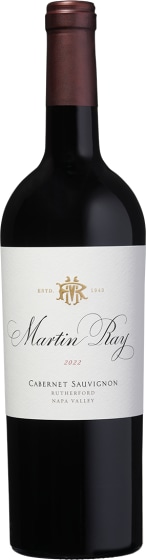
1. Oakville
Oakville sits on the valley floor and carries the classic Napa profile in full. Expect plush black fruit over a broad, structured mid-palate, with tannins that feel firm without turning hard.
Deep alluvial soils give the district its generosity and weight. When you shop Oakville, look for bottles with enough acidity to keep that richness in balance, since the best examples stay lively rather than heavy.
Oakville, Napa Valley, California ● Cabernet Sauvignon
94 James Suckling
94 Vinous
93 Wine Spectator
$105
$99.99
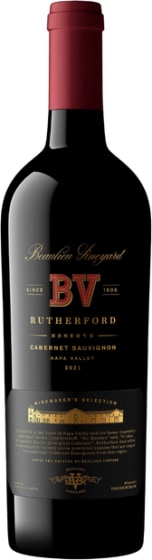
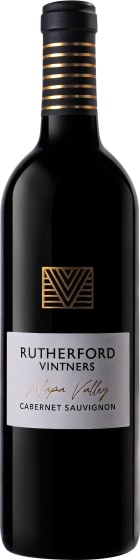
2. Rutherford
Rutherford lies just north of Oakville and is full-throttle Cabernet country. The district is known for a fine, dusty grip that locals call "Rutherford dust," a texture that sits over red and black fruit.
Well-drained gravelly soils on the Rutherford Bench keep yields low and ripening early. Look for wines with firm tannin and a savory edge, the kind built to reward a few years in the cellar.
Rutherford, Napa Valley, California ● Cabernet Sauvignon
95 James Suckling
94 Jeb Dunnuck
94 Wine Spectator
93 Wine Enthusiast
92 Robert Parker
Sold Out - was $85.00
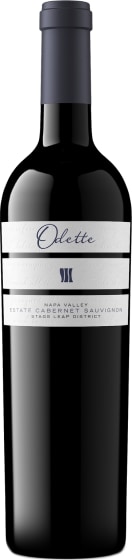
3. Stags Leap District
Stags Leap District makes Napa's most recognizable style. The wines trade brute power for perfume and polish, with aromas of violets and cherry over a silky, supple texture.
Marine breezes cool an afternoon suntrap here, which softens the tannins toward velvet. If you want power with more delicacy, this is the district to shop.
Stags Leap District, Napa Valley, California ● Cabernet Sauvignon
94 James Suckling
94 Wine Spectator
$124.99
$124.99
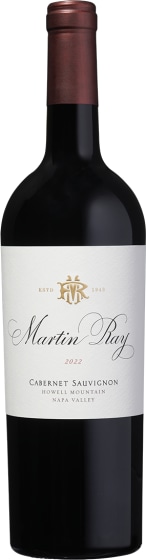
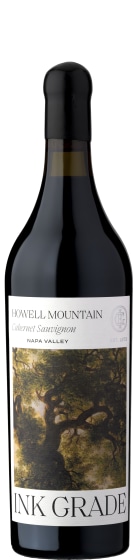
4. Howell Mountain
Howell Mountain is defined entirely by elevation, sitting above the fog line on Napa's northeastern ridge. Growing above the fog means long sun exposure and cool mountain air, and that combination concentrates the fruit.
The wines are dense, dark, and built on serious tannin. These are among the longest-lived bottles in the valley, so look for structure now and plan to give them time.
Howell Mountain, Napa Valley, California ● Cabernet Sauvignon
93 James Suckling
93 Robert Parker
93 Wine Enthusiast
92 Wine Spectator
Sold Out - was $195.00
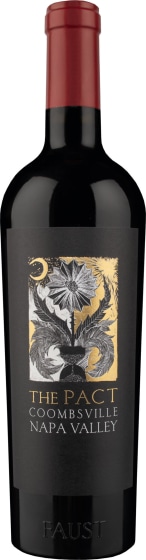
5. Coombsville
Coombsville sits in the cooler southeastern corner of Napa, closer to the bay's influence. The extra chill shows up as fresher acidity and a finer, more restrained profile.
Cabernet from here leans toward finesse, with less of the sheer size found elsewhere in the valley. If you like structured wines that stay elegant and bright, Coombsville rewards a closer look.
Coombsville, Napa Valley, California ● Cabernet Sauvignon
95 James Suckling
92 Robert Parker
92 Wine Spectator
90 Jeb Dunnuck
$79.99
$79.99
Napa Valley Cabernet At Every Price
Most premium California Cabernet enters its peak drinking window between 8–15 years from vintage, and the higher you climb in price, the more of that patience the wine is built to reward. What you pay for is mostly structure and sourcing: new oak, older vines, tighter yields, and single-vineyard fruit that needs time to unwind.
1. Everyday Napa Cabernet (Under $50)
Under $50, Napa Cabernet is built for the dinner table rather than the cellar. Larger production runs and less new oak keep the price down, and the payoff is fruit-forward wine that drinks well the moment you open it. For a wider set of picks, browse our list of Napa Cabernet under $75.
This is the heart of the category, where structure and polish start to show. Beaulieu Vineyard has farmed Rutherford Cabernet for generations, and its wines mark what this tier can deliver: real oak aging and riper tannin, with the concentration to hold for several years. Expect estate fruit and more time in barrel than you get at the entry level.
Rutherford, Napa Valley, California ● Cabernet Sauvignon
94 James Suckling
Sold Out - was $80.00
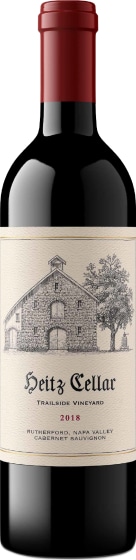
3. Prestige Napa Cabernet ($100–$300)
At this level you are paying for site specificity. Heitz Cellar helped establish single-vineyard Napa Cabernet, and the prestige tier is where that model pays off: fruit from a named site, aged in a high share of new French oak, made in limited quantities. Lower yields concentrate the fruit, and longer barrel aging builds the kind of structure that needs years to open.
Stags Leap District, Napa Valley, California ● Cabernet Sauvignon
96 Jeb Dunnuck
95 Decanter
94 James Suckling
94 Robert Parker
94 Vinous
93 Wine Spectator
$129.99
$129.99
4. Collectible Napa Cabernet ($300+)
At the top, scarcity drives as much of the price as the wine in the glass. Napa's cult bottlings, from estates like Screaming Eagle, are made in tiny lots and sold mostly by allocation, so demand runs well ahead of supply. The wines themselves come from the valley's most coveted blocks, farmed at very low yields and built for a decade or more in the cellar.
St. Helena, Napa Valley, California ● Cabernet Sauvignon
99 James Suckling
$459.99
$459.99
Napa Valley Cabernet At The Table
Serving temperature does more to a young Napa Cabernet than almost anything else you control. Served too cold, its tannins read as hard and drying; a touch warmer, and that same wine turns supple. Aim for roughly 60–65°F, cooler than most room temperature.
For the table, Napa Cabernet's ripe fruit and firm tannin want food with fat, char, or savory depth:
Grilled ribeye - the fat and char stand up to firm tannin and match Napa's ripe fruit
Braised short rib - slow-cooked richness softens the wine's grip and draws out its darker fruit
Aged hard cheeses - salty, nutty styles like aged cheddar echo the wine's savory side
Mushroom dishes - earthy flavors bridge the fruit and the wine's oak
A few serving habits get the most out of any bottle:
Temperature - a slightly cool pour keeps the tannins smooth rather than sharp
Decanting - young, tannic bottles open up with time and air in a decanter
Older bottles - a gentle pour off the sediment beats vigorous aeration
Glassware - a large bowl gives the wine room to show its aroma
When you drink comes down to what you spent, since the tiers map directly onto the aging curve:
Under $50 - drink these now, as they are made for fruit and freshness
$50 to $100 - enjoy young or hold a few years to let the tannins round out
$100 to $300 - worth cellaring, since the structure needs time before it shows its best
$300 and up - built for the long haul, often hitting stride 8 to 15 years from the vintage
The pattern holds across the tiers. Entry-level bottles reward opening tonight, and the money spent on structure is money you are asking the wine to wait on.
Common Questions About Napa Valley Cabernet
How Were the 2023 and 2024 Napa Valley Vintages, and Should I Buy Now or Cellar?
The 2023 growing season was long and mild, with a cool summer that let the fruit ripen slowly and hold its acidity. Those wines are shaping up as balanced and built to age, a classic profile after several warmer years. The 2024 releases arriving now look fresh and well-proportioned in the same vein. Most premium Napa Cabernet does not reach its peak drinking window until 8 to 15 years from vintage, so both are wines to cellar rather than rush. If you want to drink tonight, reach for an older release or an entry-level bottle instead.
What's the Difference Between Oakville, Rutherford, and Stags Leap District Cabernet?
Oakville sits on the valley floor and gives the fullest, most powerful expression, with plush fruit and a broad frame. Rutherford, just to the north, adds a fine, dusty tannin grip and a more savory, structured feel. Stags Leap District trades some of that power for perfume and a silky texture, the softest and most aromatic of the three. Put simply, Oakville is about weight, Rutherford about grip, and Stags Leap about polish.
How Much Should I Spend on a Napa Cabernet, and What Changes as the Price Goes Up?
For a weeknight bottle, $30 to $50 buys ripe, satisfying Cabernet that drinks well right away. Moving into the $50 to $100 range brings more oak, riper tannin, and fruit from better sites. Above $100, you are paying for single-vineyard sourcing, low yields, and wines built to age. At $300 and up, scarcity and allocation drive much of the price, since production is tiny and demand is high.
Is Napa Valley Cabernet Sweet or Dry?
Napa Valley Cabernet is a dry wine, with the grape sugar fermented out. What can read as sweetness is really ripe, jammy fruit backed by vanilla notes from new oak. The impression is richness, not actual sugar.
How Should I Serve and Store Napa Valley Cabernet?
Serve it slightly cool, around 60 to 65°F, so the tannins stay smooth. Give young, tannic bottles time in a decanter, and pour older ones gently off any sediment. For storage, keep bottles on their side in a cool, dark place with steady temperature, and hold the age-worthy wines until they reach their window.
Bringing Napa Valley Cabernet Home
The map is easy to keep in your head. For a Tuesday steak, an under-$50 bottle drinks beautifully tonight; for a special dinner, a $50 to $100 classic gives you polish without a long wait. When you want something to lay down, the prestige and collectible tiers from sites like Oakville and Howell Mountain reward the patience.
Wine.com carries a deep range of Napa Valley Cabernet across every one of these districts and price points. Whether you are stocking the cellar or grabbing a bottle for the weekend, the selection runs from valley-floor charmers to mountain-grown collectibles.