The Essential Italian Red Wine Guide: Regions, Grapes, and Where to Start
Italian red wine is a category defined by variety. With more than 500 native grape varieties planted across 20 wine regions, Italy offers more styles, flavors, and price points than any other country. That breadth is not a barrier. It is an invitation to explore, and this guide will help you navigate it with confidence.
Italian Red Wine at a Glance
Three things set Italian reds apart from every other wine-producing country. First, Italy grows hundreds of indigenous grapes, varieties you will not find anywhere else. Names like Sangiovese, Nebbiolo, and Nero d'Avola belong to Italy the way Merlot belongs to Bordeaux. Second, the country's geography stretches from the cool, misty Alps in the north to the sun-drenched Mediterranean coast in the south, and each region stamps its wines with a distinct personality. Third, Italian winemaking has always been built around the dinner table. These wines are designed to complement food, which means they tend to have bright acidity (the refreshing, mouthwatering quality that makes you want another bite) and moderate to firm tannins (the drying, grippy sensation you feel on your tongue and gums).
You will also see the letters DOCG on many Italian wine labels. That stands for Denominazione di Origine Controllata e Garantita, and it is Italy's highest quality designation. Think of it as a government stamp of approval that guarantees the wine was made in a specific place, from specific grapes, following strict production rules. Not every great Italian wine carries a DOCG label, but the designation is a reliable signal of quality and tradition.
One common point of confusion worth clearing up early: Montepulciano is both a grape and a place. Montepulciano d'Abruzzo is a wine made from the Montepulciano grape in the Abruzzo region. Vino Nobile di Montepulciano is an entirely different wine, made from Sangiovese in the Tuscan town of Montepulciano. The names sound similar, but the wines taste nothing alike.
The Taste of Italian Reds
Italian reds span a wide range of body and intensity, from light and refreshing to bold and powerful. The simplest way to find a style you enjoy is to match the wine to your taste preferences rather than memorizing regions or grape names.
1. Light and Bright
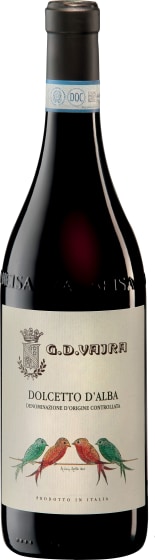
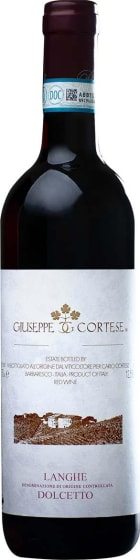
If you gravitate toward lighter drinks, crisp beers, or white wine, this category is your entry point. Dolcetto delivers soft, juicy cherry flavors with almost no tannin grip. Valpolicella Classico from the Veneto region offers fresh red fruit and a clean, snappy finish. And Lambrusco, a lightly sparkling red, is one of Italy's most fun and approachable wines. Serve any of these slightly chilled alongside pizza margherita, antipasto platters, or light pasta dishes. These are weeknight wines, low-commitment and easy to love.
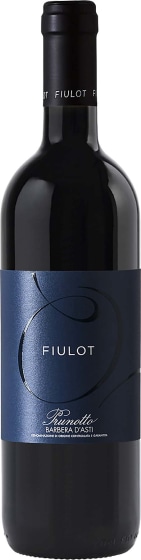
This is the heart of Italian red wine, and the category where most newcomers find their footing. Chianti Classico, made primarily from Sangiovese grapes in Tuscany, delivers red cherry, dried herbs, and enough acidity to cut through a rich tomato sauce. Barbera d'Asti from Piedmont is another standout: bright, juicy, and low in tannins, making it one of the most versatile food wines in Italy. Montepulciano d'Abruzzo rounds out the group with plummy fruit, gentle spice, and an easygoing texture that works with nearly anything on the table. Pair these with tomato-based pastas, roasted chicken, or a cheese board of aged Parmigiano and pecorino.
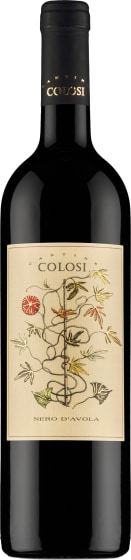
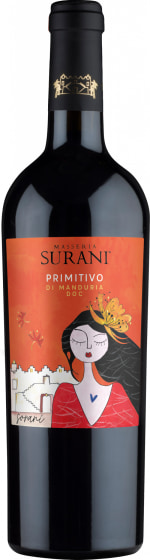
For bigger flavors, look south and east. Nero d'Avola, Sicily's signature red, pours dark and delivers ripe plum, black cherry, and a hint of chocolate. If you enjoy Malbec or Shiraz, Nero d'Avola is a natural next step. Primitivo from Puglia shares DNA with California Zinfandel (they are the same grape) and offers rich, sun-warmed fruit with a touch of spice. Amarone della Valpolicella sits at the top of the intensity scale: a full-bodied, concentrated wine made from partially dried grapes, best saved for a special occasion. These wines pair well with grilled meats, braised short ribs, hearty stews, and aged pecorino.
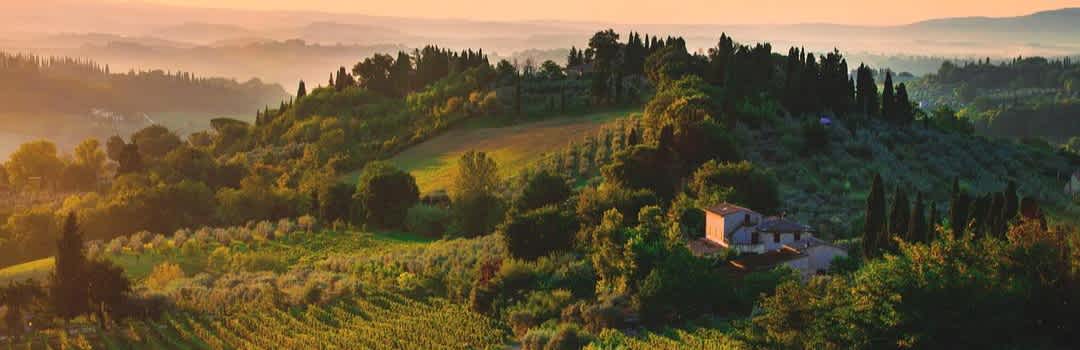
Italy's wine map runs from the Alpine foothills in the north to the Mediterranean islands in the south. Each region stamps its wines with a distinct character shaped by climate, soil, and centuries of local tradition.
1. Tuscany
Tuscany is Sangiovese country. This single grape drives some of Italy's most recognized wines, from everyday Chianti to the long-lived Brunello di Montalcino. Chianti Classico, the original and smaller Chianti zone, requires at least 80% Sangiovese in the blend, and the best producers often push that higher. The remaining percentage may include small amounts of other grapes like Canaiolo or Merlot, which soften the wine's edges and add depth. Look for the black rooster (Gallo Nero) seal on the label as a quick identifier.
Brunello di Montalcino, by contrast, must be 100% Sangiovese. It ages for a minimum of four years before release, producing a wine with concentrated cherry fruit, earthy complexity, and firm tannins that reward patience. Tuscany also gave rise to the Super Tuscan movement, where producers like Antinori broke with tradition by blending Sangiovese with international grapes like Cabernet Sauvignon. The result was a new style of Tuscan wine: richer, more polished, and often aged in small French oak barrels that cost $1,200 or more each.
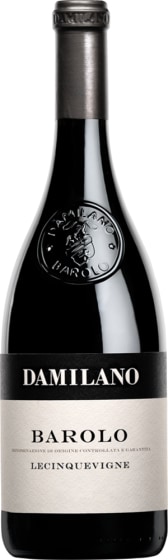
Piedmont, in Italy's northwest corner, is home to Nebbiolo, a grape that produces some of Italy's most complex and age-worthy reds. Barolo, sometimes called "the king of wines," is the region's crown jewel. It must be made from 100% Nebbiolo, a requirement that sets Barolo apart from most Italian reds, where blending is common. In the glass, Barolo can seem deceptively light in color, but the flavors are intense: tar, roses, dried cherry, and truffle, wrapped in firm, drying tannins. Top Barolo and Brunello typically need 10–15 years to soften their structural tannins, so these are wines that reward patience and careful storage.
The good news for newcomers is that Piedmont also makes Nebbiolo in more approachable, affordable forms. Langhe Nebbiolo drinks well within a few years of release and costs a fraction of Barolo. Produttori del Barbaresco, a respected cooperative, offers Barbaresco at prices that make premium Nebbiolo accessible to everyday drinkers. Beyond Nebbiolo, Piedmont's Barbera grape produces bright, fruit-forward reds with lively acidity and soft tannins, perfect for pasta night.
Sicily is Italy's largest island and one of its most exciting wine regions. The signature grape here is Nero d'Avola, which produces deeply colored reds with dark fruit, moderate tannins, and excellent value. If you enjoy the bold, fruit-driven style of Malbec or Shiraz, Nero d'Avola is worth exploring. Prices are friendly, and quality has risen sharply in recent years.
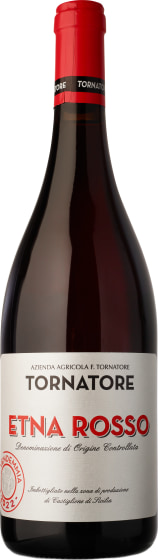
On the slopes of Mount Etna, a different style of Sicilian wine is emerging. Etna Rosso, made primarily from the Nerello Mascalese grape, offers lighter color, higher acidity, and a mineral-driven complexity that reflects the volcanic soil. These wines have drawn comparisons to Burgundy for their elegance and sense of place.
Puglia forms the heel of the Italian boot, a sun-drenched region that produces bold, ripe reds at some of the best prices in Italy. Primitivo is the star here. If you have ever enjoyed a California Zinfandel, you already know this grape: Primitivo and Zinfandel are genetically identical. Expect rich, jammy dark fruit, a touch of sweet spice, and a round, generous texture. Negroamaro, Puglia's other major red grape, is darker and earthier, with flavors of dried plum and tobacco. Both grapes deliver well above their price point, making Puglia one of the best regions for value-minded exploration.
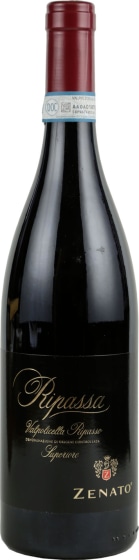
The Veneto region, centered around Verona, is home to Valpolicella and its famous sibling, Amarone della Valpolicella. Basic Valpolicella is a light, cherry-scented red meant for easy drinking. Valpolicella Ripasso takes things further: the wine is passed over the dried grape skins left from Amarone production, picking up extra body, flavor, and richness. Think of Ripasso as a bridge between everyday and special-occasion wines.
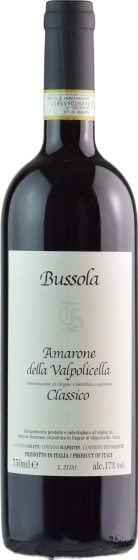
Amarone itself is made using a process called appassimento, where freshly harvested grapes are dried on racks for several months before pressing. The drying concentrates the sugars and flavors, producing a full-bodied wine with layers of dried cherry, chocolate, fig, and warm spice. Amarone typically reaches 15–16% alcohol, making it one of Italy's most powerful reds. It is a wine for slow evenings with braised meats or a rich cheese course.
Italian red wine covers a wide price spectrum, and every tier offers genuine quality. Understanding what drives the price at each level helps you spend with confidence rather than guesswork.
1. Under $15: Everyday Bottles
At this price, you are buying wines from broad regional appellations with higher vineyard yields and shorter aging periods. Montepulciano d'Abruzzo, basic Barbera, Nero d'Avola, and Primitivo all deliver reliably at this level. Producers like Bolla keep prices accessible by sourcing from large, productive vineyards across the Veneto. These wines are not trying to impress critics. They are built for Tuesday night pasta, and they do that job well.
2. $15–$30: The Sweet Spot
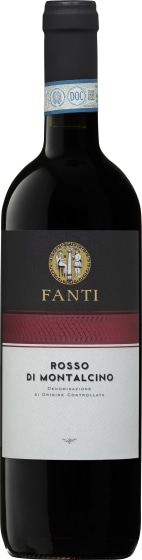
This is where Italian reds start to show real character. The jump in price reflects tighter appellation rules (the official geographic zone a wine must come from, with strict production standards), lower vineyard yields, and longer aging, often 12 months or more in barrel before release. Chianti Classico, Barbera d'Asti, Langhe Nebbiolo, and Rosso di Montalcino (Brunello's younger, more approachable sibling) all live here. Producers like Marchesi di Barolo demonstrate what is possible at this tier: complex, food-friendly Nebbiolo that does not require years of cellaring. For most newcomers, this is the price range that offers the best balance of quality, variety, and discovery.
3. $30+: Special Occasion Wines
At this level, you are paying for strict DOCG mandates, multi-year barrel aging, and limited production. A top Barolo spends years in oak before release, and Brunello di Montalcino requires extensive aging before it reaches the shelf. Amarone demands months of careful grape drying before fermentation even begins. Producers like Gaja in Piedmont represent the pinnacle of this tier: meticulous vineyard work, extended aging, and tiny quantities. These wines reward patience and occasion. Buy them when you want something memorable, not just something to open on a weekday.
Italian Red Wine Questions, Answered
A few questions come up every time someone is new to Italian reds. Here are the answers that matter most before you buy your first bottle.
What Italian Red Wine Should I Try First?
Start with Chianti Classico. It is widely available, consistently well-made, and hits the middle of the flavor spectrum: not too light, not too bold, with enough acidity to pair with almost any meal. A reliable bottle costs between $12 and $18. Look for the word "Classico" on the label and the black rooster seal: regular Chianti covers a larger region with more variation in quality, while Chianti Classico is the original, smaller zone with stricter production rules and more consistent results.
What Italian Red Wine Goes Best with Pasta?
It depends on the sauce. Sangiovese-based wines like Chianti or Rosso di Montalcino are ideal for tomato-based sauces because their acidity mirrors the brightness of the tomatoes. Barbera, with its juicy fruit and low tannins, works beautifully with cream sauces or pesto, where the wine's acidity cuts through the richness. For a hearty meat ragu, reach for something bolder: Primitivo or Nero d'Avola can stand up to slow-cooked meat without being overwhelmed.
How Long Can I Keep an Italian Red Wine Before Opening?
Most everyday Italian reds priced under $20 drink best within one to three years of purchase. They are made to enjoy now, not to cellar. Chianti Classico Riserva and Barbera d'Asti Superiore can hold for three to five years. The big age-worthy reds, Barolo, Brunello, and Amarone, can develop beautifully over 10–20 years or more, though entry-level versions of each are often ready to enjoy sooner.
Where to Start with Italian Reds
There is no wrong first bottle. Whether you start with a $12 Montepulciano d'Abruzzo or a $25 Chianti Classico, the goal is the same: find a style you enjoy and build from there. Your palate is personal, and the best Italian red for you is the one that makes your next meal more enjoyable.
With 16,000+ wines in its catalog, including hundreds of Italian reds from every major region, Wine.com makes it easy to experiment across styles, price points, and producers. Start with one region or one grape, then branch out as your confidence grows.