The Global Wine Club Guide for Adventurous Drinkers
Most wine clubs run on a familiar formula: a box of California reds, delivered on repeat. A global wine club subscription breaks that habit by drawing from both hemispheres, so one membership can hold an Old World Bordeaux, a Spanish white, and a New World Malbec at once. That range is what you are paying for.
Why Global Wine Clubs Stand Out
A winery house club ships from one address: the estate that runs it. A global club works from a far wider map, pulling bottles from France, Italy, Spain, South America, and beyond. The first setup rewards loyalty to one style; the second rewards curiosity.
That difference shapes what lands on your doorstep. A single-region club, say one built around Napa Cabernet, sends variations on a theme you already know. A global subscription treats each shipment as a small tour, pouring a cool-climate white one month and a sun-ripened red the next.
Breadth also does something practical. Tasting a Loire white next to a Marlborough one teaches you more about both than either would alone. You start to hear how place changes the same grape, and that context makes your next purchase sharper.
Convenience matters here too, though it comes second. A global club saves you the legwork of tracking down imports that rarely reach a local shelf. The real payoff is access to bottles you would struggle to find on your own.
How the Wines Get Chosen
Behind a strong global club sits a curation team that tastes widely and buys with a plan. Their job is to keep each shipment varied without turning it random. That means balancing regions across the year, so you avoid three Cabernets in a row, and rotating between the familiar and the new.
The best programs think in contrasts. One month might lean Old World, with its savory, earth-driven profiles; the next might swing toward riper New World fruit. Across a few shipments, you should see both hemispheres represented, plus a mix of grapes you recognize and a few you have never tried.
Variety has to hold up shipment to shipment, month after month. A club that dazzles in month one and then repeats itself by month four is not really global. The stronger programs keep a running map of what they have sent you, so the next box fills a gap in your tasting instead of covering old ground.
You can judge curation quality by two things. First, look at the Old World versus New World balance over several months, not one box. Second, watch the ratio of discovery to comfort: a club that only sends safe picks is a store, and one that only sends obscure bottles is a gamble.
Wines From Around the World, Region by Region
A global club earns its name by covering the regions that define how wine tastes today. These six show up in any lineup worth joining, spanning both classic European benchmarks and the New World's best answers to them.
1. France
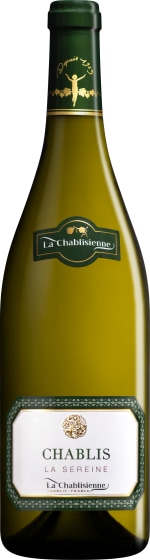
France sets the reference points for much of the wine world. Its regions give you Bordeaux's structured reds, Burgundy's Pinot Noir and Chardonnay, the Rhône's peppery Syrah, and the Loire's crisp, mineral whites. Most of these wines favor balance and restraint, where savory character counts as much as ripe fruit.
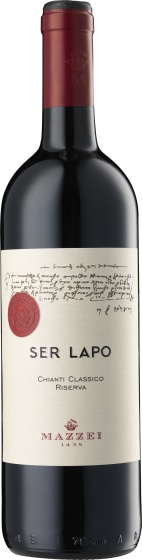
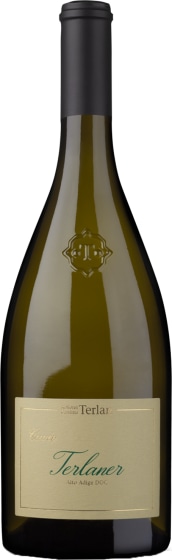
Italy offers more native grapes than any other country. Tuscany builds bright, cherry-driven reds around Sangiovese, Piedmont turns Nebbiolo into firm, perfumed wines, and the cool north makes some of the country's sharpest whites. Head south and the reds grow warmer and richer, so one country can swing between tense and plush.
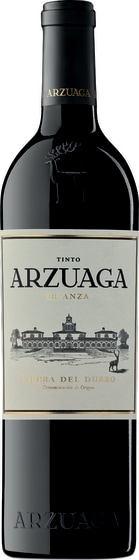
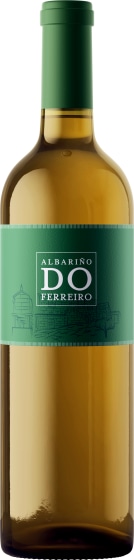
Spain pairs old traditions with strong value. Rioja and Ribera del Duero build age-worthy reds on Tempranillo, often rounded out with Garnacha, the same grape France calls Grenache, while Rías Baixas turns out zesty Albariño by the coast. Cava adds an affordable sparkling option with real depth.
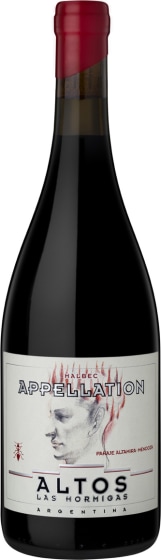
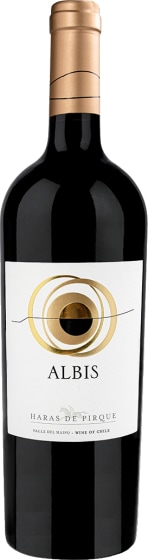
Argentina and Chile anchor South America's side of a global lineup. Mendoza and the high Uco Valley push Malbec toward deep, plush fruit, with firm structure that comes from altitude. Across the Andes, Chile makes savory Carménère and cool, focused Cabernet that taste more restrained than their price suggests.
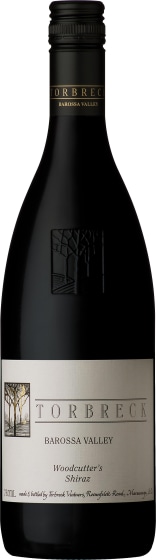
Australia and New Zealand show how far New World wine has come. Barossa builds bold, dark Shiraz, the grape France knows as Syrah, full of ripe berry and spice. Across the sea, Marlborough turns out Sauvignon Blanc so vivid and zesty it helped define the modern style.
California and the Pacific Northwest prove the United States is one region among many, not the whole club. Napa and Sonoma make rich Cabernet and rounded Chardonnay, while Washington and Oregon lean cooler, giving sleeker reds and sharper whites. In a global lineup, they belong beside France and Italy, not in front of them.
Columbia Valley, Washington ● Bordeaux White Blends
94 Jeb Dunnuck
93 Vinous
91 Wine Spectator
Sold Out - was $50.00
What to Spend on a Global Wine Club
Global clubs sort roughly into three price bands, and knowing them helps you match a membership to how you actually drink. Most ship 6–12 bottles per shipment, so the per-bottle band matters more than the sticker total.
The entry band sits around $30 a bottle. It covers solid, everyday wines from well-run regions, good for weeknights and low-stakes exploring. The core discovery band, roughly $30–$75, is the sweet spot for a confident explorer. Here you get single-region character, small-grower bottlings, and the variety that keeps a club interesting month after month.
The collectible band starts around $75 and climbs from there. Two costs explain most of that jump. Single-vineyard bottlings typically yield 1–2 tons of fruit per acre, versus 4–6 tons for broader regional blends, so each bottle carries far more concentrated, and more expensive, fruit.
New French oak drives the cost too. A single new barrel runs $1,200 or more and flavors only a few hundred bottles, which shows up directly in the price. Lower tiers reuse older barrels, so that expense fades and the wine costs less to make.
For a confident explorer, the core band usually delivers the best return. It buys enough character to teach you something new without the outlay a collectible bottle demands. With more than 16,000 wines to draw from, a strong club can fill any of these bands without repeating itself.
Getting the Most From Your Membership
A membership pays off most when you treat it as active, not passive. A StewardShip membership can cover shipping across your deliveries, and a few simple habits stretch the value further.
Steer your selection - tell the club which regions and styles you love, so future boxes lean the way you drink
Use the flexibility - most memberships let you skip a month, change how often wine arrives, or cancel anytime
Send it as a gift - a global club makes an easy present for the curious drinker who already has a favorite shop
Build a mini cellar - hold back a few standout bottles from each shipment to compare regions side by side later
Global Wine Club Questions, Answered
Do Wine Clubs Ship Wines From Around the World, or Mostly Domestic?
Both kinds exist, so the answer depends on the club you pick. Many mainstream clubs lean domestic, sending mostly California bottles with an occasional import. A true global subscription is built the other way. It treats imports as the core, covering France, Italy, Spain, South America, and Oceania across the year. Read the past shipment lists before joining, since they show a club's real range better than any marketing line.
Can I Choose the Regions or Styles I Receive?
Usually yes, at least in part. Most clubs let you set preferences, flag favorite regions, or steer between reds, whites, and mixed cases. Fully curated clubs keep the specific bottles a surprise, since that discovery is the point, but they still honor broad tastes. If total control matters to you, look for a club that lets you preview or swap upcoming selections.
How Much Does a Global Wine Club Cost?
Most global clubs price by the bottle, and the common range runs between about $30 and $75 each. Entry tiers near $30 cover dependable everyday wines, while the $30–$75 core band buys more character and variety. Above $75, you move into collectible territory, where scarce fruit and expensive cellaring drive the cost. Shipments usually hold 6–12 bottles, so you can estimate the monthly total from the band you choose.
Is a Global Wine Club Worth It?
For a drinker who buys often and likes variety, it usually is. The real value is the guided exposure to regions you would rarely order on your own, on top of the wine itself. You skip the research and still taste more widely than most shop trips allow. If you already know exactly what you want every time, a club matters less than for someone who enjoys being surprised.
How Do Shipping and Cancellation Work?
Wine ships in temperature-safe packaging, and an adult signature is required on delivery in most areas. Delivery rules vary by state, so a few destinations face limits worth checking before you sign up. Good clubs make cancellation simple, with no long lock-in, and let you pause between shipments when life gets busy. Shipping fees differ by club, and some offer a flat annual rate that pays off if you order regularly.
Where to Start With a Global Wine Club
Start by deciding what you want from a club: regional breadth across both hemispheres, curation that balances Old World and New World, and a per-bottle band that fits your budget. If the $30–$75 core range sounds right, you are already in the sweet spot most explorers settle into. Match those things and the rest follows.
Selection is where the search gets easier. Wine.com is the world's largest online wine retailer, with more than 16,000 wines. That range covers every region a global club could reach, including Bordeaux, Rioja, Mendoza, and Marlborough, so a lineup can stay varied for years without repeating a bottle.
When you are ready to taste more of the world, Browse Wine Club Subscriptions at Wine.com and pick the band that fits how you drink. A single membership can carry France, Italy, and Argentina to your door in one shipment, which is exactly the point.