A gateway wine is simply a bottle that feels easy the first time, with flavors close enough to what you already drink that nothing about it seems foreign. If you reach for beer and cocktails, your palate has already learned the very things wine is built on: carbonation, bitterness, body, and that fresh, mouthwatering snap. You are closer to enjoying wine than you might think.
Understanding Gateway Wines
The fizz in a cold lager is the same lift you get from a sparkling wine. The pleasant bitterness of an IPA rhymes with the herbal snap of certain crisp whites, and the round, full weight of a stout has a cousin in a rich red. Sweetness works the same way, since a fruity cocktail and a gently sweet wine both give your tongue that soft, ripe impression. You have been training for wine without knowing it.
Before any recommendation, a few plain words will make browsing far less confusing. Wine gets described with a small handful of terms that sound technical but describe things you can already taste. Once you have those words, you can read a label or a shelf tag and know roughly what is in the glass.
Off-dry is the newcomer's best friend: it means a wine with just a touch of sweetness, not enough to taste like dessert, but enough to feel soft and easy on the very first sip.
What "Dry" and "Sweet" Really Mean
A dry wine is one with little or no sweetness, so it tastes clean and crisp rather than sugary. Most table wines you will see are dry, which can surprise people who expect all wine to taste sweet. Sweet wines sit at the other end, with clear sugar you can taste, the way a dessert or a ripe piece of fruit tastes sweet.
Off-dry lives in the middle, with a light touch of sweetness that softens the edges without turning into a dessert. If you like the gentle sweetness in many cocktails or a good hard cider, off-dry is likely your comfort zone. It is the friendliest place for a new wine drinker to land.
The Words Worth Knowing: Tannin, Body, and Acidity
Tannin is a grippy, drying feeling on your gums, a lot like strong black tea left to steep too long. Reds have more of it than whites, and lighter reds have less than bold ones, which matters when you are easing in. Body is just how heavy a wine feels in your mouth, from light like skim milk to full like cream.
Acidity is the fresh, mouthwatering snap that makes a wine taste lively, the same zing you notice in a citrusy cocktail or a squeeze of lemon. High-acid wines feel crisp and refreshing, and they pair beautifully with food. These three words cover most of what you need to shop with confidence.
Gateway Wines by the Beer You Already Love
The simplest way to find your first wine is to match it to the beer you already reach for. Each beer style has a wine cousin that shares its weight, its fizz, or its flavor. Start with the row that sounds like your usual order.
1. If You Like Lagers and Pilsners
Lagers and pilsners are light, clean, and refreshing, with a gentle fizz that makes them easy to drink. The wine that captures that same feeling is a crisp, light white, and the classic starting point is Pinot Grigio, which is also called Pinot Gris depending on where it is grown. It tastes fresh and simple, with a clean citrus snap and no heaviness. There is nothing to figure out and nothing to brace for.
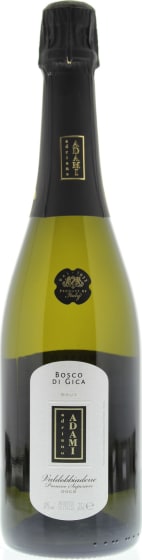
If it is the bubbles you love most, an easy sparkling wine like Prosecco is the closest thing to a cold, fizzy beer. It is light, a little frothy, and made to sip without any fuss.
Wheat beers are soft, cloudy, and often carry a hint of orange peel or spice, which makes them gentle and easy. The wine that echoes that softness is a rounder white, and a lightly oaked or unoaked Chardonnay fits the bill. Unoaked simply means the wine was not aged in oak barrels, so it stays fresh and fruity instead of tasting toasty or buttery. It has enough body to feel satisfying without any sharp edges.
For the aromatic side of a wheat beer, a fragrant white like Viognier or Gewürztraminer brings floral, orchard-fruit smells that fill the glass. These wines are usually dry, so the perfume is all aroma, not sugar.
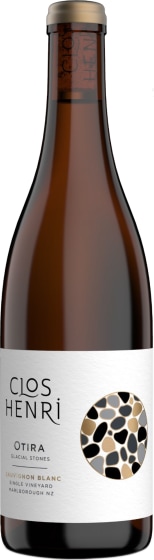
IPAs are all about the hops, which bring a bright, herbal, slightly bitter kick. The wine that speaks that same language is a zesty, aromatic white, and Sauvignon Blanc is the obvious first stop. It smells green and lively, with notes of grass, lime, and fresh herbs, and it finishes crisp and clean. That herbal snap will feel familiar if you love a hoppy beer.
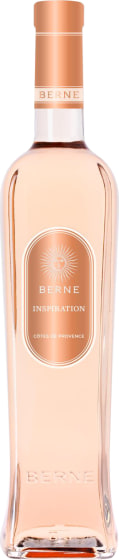
If you want something with a little color and the same fresh energy, a dry rosé is a fun move. Dry rosé is a pink wine with no real sweetness, so it drinks light and refreshing rather than candied.
Cotes de Provence, Provence, South of France, France ● Rosé
$21.97
$21.97
4. If You Like Pale Ales
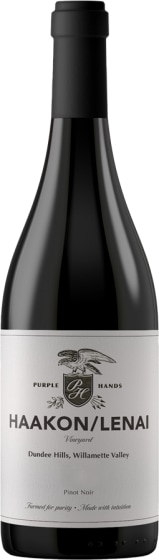
Pale ales sit in a comfortable middle, with some malt roundness balanced by a modest hop lift. The red wine that matches that balance is light-bodied and low in tannin, so it feels smooth rather than grippy. Pinot Noir is the gentlest way into red wine, with soft red-berry flavors and a silky texture. It rarely feels heavy, which makes it forgiving for a first red.
Another easygoing option is Gamay, the grape behind Beaujolais from France. It is bright, juicy, and light on its feet, and it can even take a short chill in the fridge before you pour.
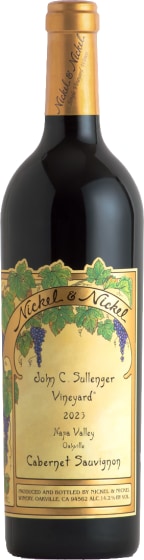
Stouts and porters are dark, rich, and roasty, with a full weight that coats your mouth. The wines that meet that intensity are bold, full-bodied reds with real depth. Cabernet Sauvignon delivers dark fruit and firmer tannin, so it feels substantial and structured, much like a heavy beer does. It rewards drinkers who like big, mouth-filling flavor.
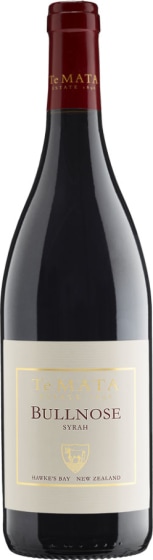
Right beside it sits Syrah, which is called Shiraz in Australia and a few other places. It brings dark fruit and a savory, peppery edge, and it carries the same satisfying heft.
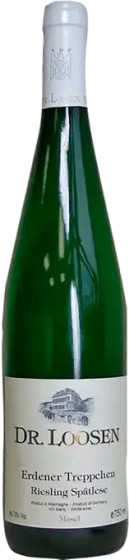
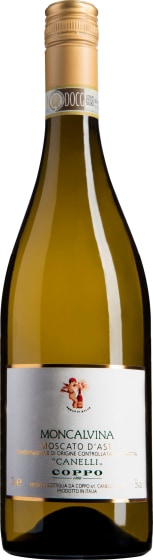
Cider and fruity, flavored beers are the sweetest, softest corner of the beer world, and they point to the easiest wines of all. Off-dry and lightly fizzy styles give you fruit and a touch of sweetness without any harsh grip. An off-dry Riesling tastes of ripe peach and citrus with a gentle sweetness, while Moscato is lower in alcohol and openly fruity. Both feel like a natural next step from a cider.
For a fizzy, refreshing pour, look to a lightly sparkling style like Vinho Verde from Portugal or a chilled Lambrusco. They are low-pressure, fruit-driven, and made for easy sipping.
Cocktails train your palate in their own way, teaching you to enjoy fizz, citrus, botanicals, and sweetness. Wine has a clear answer for each of those cravings. Find the drink you order most and follow it to the glass.
1. If You Love Spritzes and Bubbles
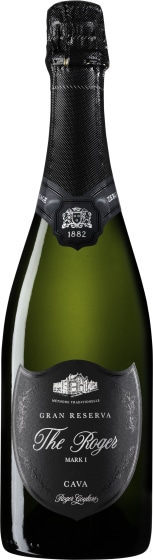
A spritz is bubbly, light, and refreshing, which makes sparkling wine its closest relative. Beyond Prosecco, sparkling wine comes in styles like Cava from Spain, which is dry, crisp, and full of fine bubbles. It gives you the same celebratory fizz without the extra mixers. Pour it cold and it practically tastes like a spritz on its own.
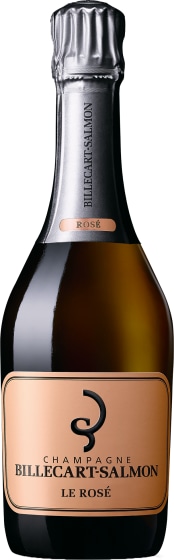
Sparkling rosé adds a splash of pink and a hint of red-berry flavor while staying dry and lively. It is a playful, easy choice when you want bubbles with a little more character.
A margarita or a whiskey sour lives on bright, tart citrus, and high-acid whites give you that same fresh jolt. Albariño from Spain is zesty and coastal, with lime and green-apple flavors and a clean, salty finish. That mouthwatering acidity mirrors the pucker of a good sour. It stays crisp from the first sip to the last.
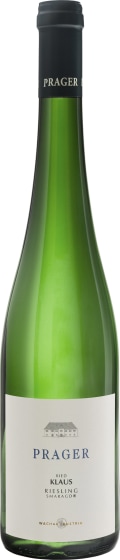
A dry Riesling is another sharp, refreshing option, all lemon-lime zip with no sweetness. If you like your drinks tart and lively, these wines will feel right at home.
If your go-to drink is sweet and fruity, you will want wines that lean gently in the same direction. Off-dry and fruit-forward styles land softly and never feel harsh. Moscato is light, low in alcohol, and openly fruity, with flavors of peach and orange blossom that make it feel like a treat. It is one of the friendliest wines for anyone easing away from sugary drinks.
A fruit-forward rosé rounds things out, offering ripe strawberry and melon flavors in a fresh, easy package. It splits the difference between a sweet cocktail and a crisp wine.
A few simple habits make your first bottles taste their best. Temperature, pace, and food all shape how a wine comes across, and none of it requires special gear.
Chill your whites and sparkling: Serve them cold, around 45–50°F, straight from the fridge for that crisp, refreshing edge. Cold temperatures keep them lively and clean
Cool your lighter reds: Give light reds like Pinot Noir or Gamay about 20 minutes in the fridge so they land near 55–60°F. A slight chill makes them taste fresher and more vibrant
Take small first sips: Start with a little sip and notice what you taste, whether it is fruit, a citrus snap, or a soft sweetness. There is no wrong answer, and paying attention helps you learn your own preferences
Match it to bar snacks: Reach for the salty, simple foods you already enjoy, like nuts, popcorn, olives, or a wedge of cheese. Crisp whites love salty bites, and bolder reds stand up to heartier plates
Common Questions About Gateway Wines
What Is a Good Gateway Wine if I Do Not Like Dry Wine?
Start with off-dry wines, which carry a gentle sweetness that softens every sip. An off-dry Riesling is a great first pour, with ripe peach and citrus flavors that feel approachable and never sharp. Moscato is even lighter and openly fruity, and a chilled Lambrusco adds a fun, fizzy touch. These styles give you the soft, easy sweetness that many cocktails and ciders already deliver.
If I Like IPAs, What Wine Should I Try First?
Reach for Sauvignon Blanc first, because it shares the bright, herbal energy you love in a hoppy beer. It smells of grass, lime, and fresh herbs, and it finishes crisp and clean. That green, aromatic snap is the wine world's version of an IPA's hop character. If you want to branch out, a dry rosé offers the same fresh feel with a little more color.
Which Wine Is Most Like a Cold, Fizzy Beer?
Sparkling wine is the closest match to a cold, fizzy beer. Prosecco is light and frothy, and Cava from Spain is dry and full of fine, refreshing bubbles. Both give you that same lively fizz and clean finish you get from a chilled lager. Serve them cold and they scratch the same itch as your favorite bubbly beer.
Should I Start with Red or White Wine?
The best starting point depends on the beer or cocktail you already enjoy. If you like light, refreshing lagers or citrusy cocktails, a crisp white is the natural first step. If you gravitate toward rich stouts or bold, spirit-forward drinks, a smooth red like Pinot Noir will feel more familiar. Use the beer and cocktail map above to point yourself toward the side that fits your taste.
How Much Should I Spend on My First Bottle?
You do not need to spend much to drink well on your first try. An accessible, entry-level bottle is plenty for learning what you like, and there are excellent wines at friendly prices. If you want to take a small step up, a modest bump in budget often buys a bit more polish and depth. Start low, notice what you enjoy, and spend more only once you know which styles win you over.
Where to Start with Gateway Wines
The easiest path into wine runs straight through what you already drink. Match your bottle to the beer or cocktail you reach for most, lean on off-dry and sparkling styles as the softest on-ramps, and remember to chill your wine and take small first sips. Those three habits turn a first bottle into an easy, confident choice.
Every style in this guide is a click away, since Wine.com carries a selection of more than 16,000 wines. That range means you can start with a single crisp white or a fun sparkling and keep exploring at your own pace, with no pressure to know it all up front.